The Onyx Boox Go 10.3 (Gen II) Lumi is a good Android-toting Kindle Scribe alternative, but it disappoints in a couple of key areas
Boox Go 10.3 Gen II Lumi: One-minute review
As far as epaper writing tablets go, Boox has some of the most versatile options thanks to their Android-based operating systems, and the Boox Go 10.3 (Gen II) Lumi is arguably the best of them despite its rather mouthful of a name — I’m just going to call it the ‘Lumi’ from here on in.
I was already a fan of the original model, calling the reMarkable dupe a pleasure to use in my Boox Go 10.3 review — and by just adding a light and making the battery consumption more efficient, the Chinese ereader maker has made the Gen II model better.
Despite the screen being a touch slower than I’ve experienced with other devices like the 2024 and 2025 Kindle Scribes, the light adds a lot of contrast to the screen, making it easier to read on, whether that’s an ebook or a handwritten note. Now, I have to mention that there is a Gen II without a frontlight as well but, in my opinion, having the screen lit up just makes the epaper writing tablet that much more usable in any situation. With a frontlight, it also becomes a true Kindle Scribe alternative — again, thanks to its Android-based OS that gives the user access to the Google Play Store.
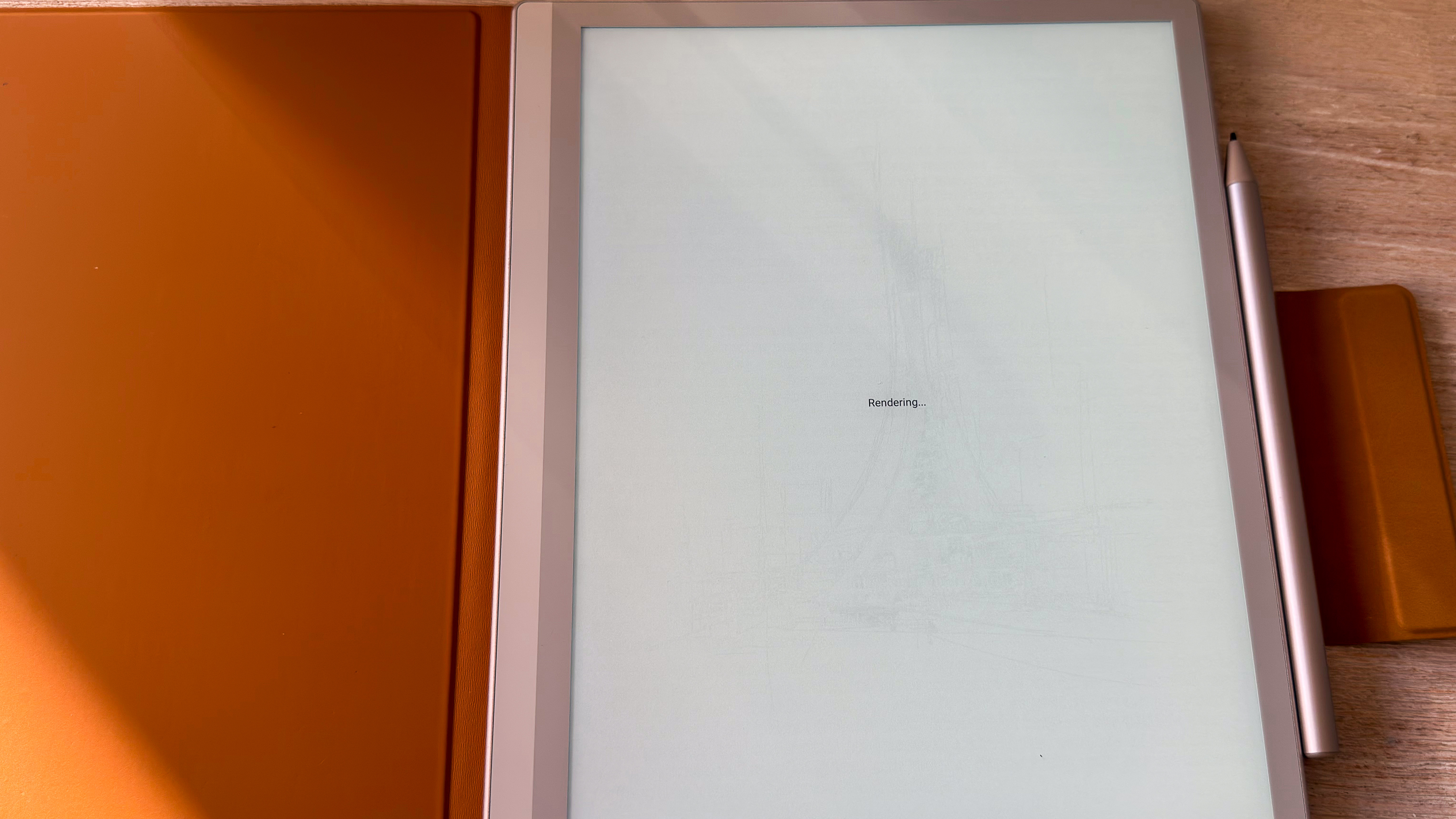
However, the aforementioned slow display is a disappointment as every time I woke up the Lumi to read or write, there would be a couple of screen refreshes (clearly marked as ‘Rendering’ when directly waking up to the native library application) before it settled down. Page turns, though, are fine but, again, Amazon’s 2025 Kindle Scribes are just that little bit faster at this as well. Long story short, screen performance doesn’t seem to have improved over the Gen I Go 10.3.
While I can live with the slower screen, I can’t fathom why Boox would retire the stylus that came with the original Go 10.3 as it was a lot better than the supplied InkSense Plus pen. The new stylus isn’t as smooth to write with, and is heavier, detracting from the all-important writing experience.
So as much as I’d love to say the Lumi is an improvement over its predecessor — and it is in a couple of ways — it just seems like Boox has taken two steps forward (with the frontlight and battery life) but one step back with the stylus.

Boox Go 10.3 Gen II Lumi review: price & availability
- Announced March 2026
- List price: $449.99 / £429.99 / AU$729
- Available directly from the Boox Shop and third-party retailers
With the addition of the frontlight, the price of the Boox Go 10.3 (Gen II) Lumi is a lot higher than the launch price of the original Go 10.3 — you’re looking at shelling out $449.99 / £429.99 / AU$729 for the former, which is about $70 / £50 / AU$120 more than what the latter was when it was released in 2024.
That’s quite steep, although considering how expensive every bit of tech is getting thanks to RAM shortages, I’m not really surprised. It’s still competitively priced considering the 3rd-generation Amazon Kindle Scribe (2025 release with frontlight) retails for $499 / £449.99 / AU$849 for the 32GB flavor, while you get double the storage with the Lumi. Throw in the versatility of Android and it’s arguably better value (even compared to any of the reMarkables), but given its overall performance and user experience compared to the competition, I’d be hesitant to recommend it.
If the frontlight isn’t important, you can opt for the Gen II version without it, which will set you back $419.99 / £399.99 / AU$689. Prices for both Boox Gen II devices include the InkSense Plus stylus and a magnetic sleep case.
• Value score: 4 / 5
Boox Go 10. Gen II Lumi review: specs
Display type: | Undisclosed E Ink Carta HD panel |
Screen size: | 10.3 inches |
Resolution: | 300ppi |
Processor: | 2GHz octa-core Qualcomm Snapdragon 690 |
Frontlight: | Yes (warm and cold) |
Storage: | 64GB (non-expandable) |
Battery: | 3,700mAh |
Speaker: | Dual (stereo) |
Water protection: | None |
Software: | Android 15 |
Connectivity: | Wi-Fi (2.4GHz + 5GHz); Bluetooth 5.1 USB-C |
File support: | 20 document, 4 image, 2 audio |
Dimensions: | 235 x 183 x 4.8mm (9.3 x 7.2 x 0.19 inches) |
Weight: | 364g (without case and stylus) |
Boox Go 10. Gen II Lumi review: design & display
- Good-looking, lightweight epaper tablet, but clunky stylus
- 10.3-inch E Ink display with good contrast
- Textured rear panel adds good grip
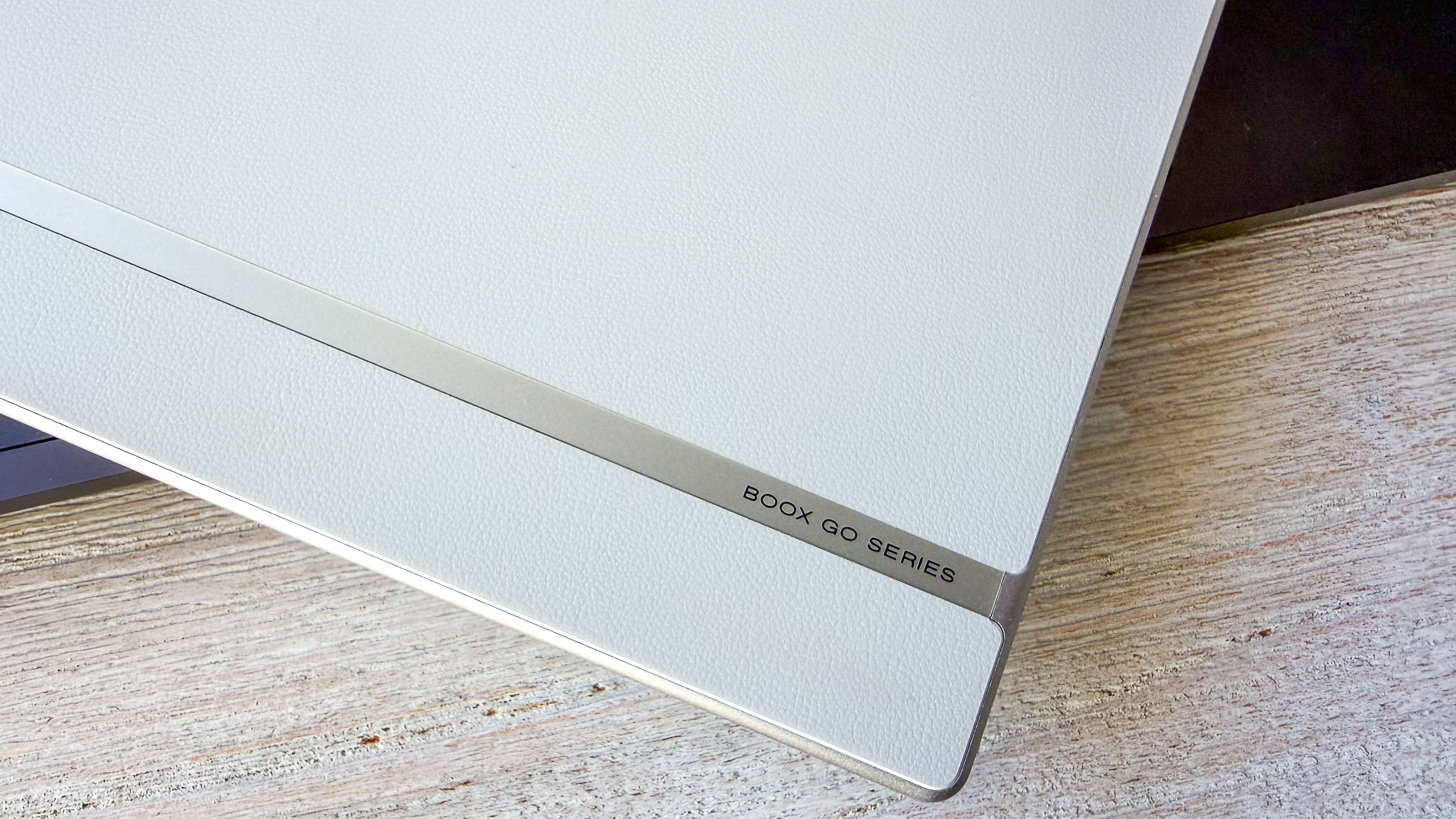
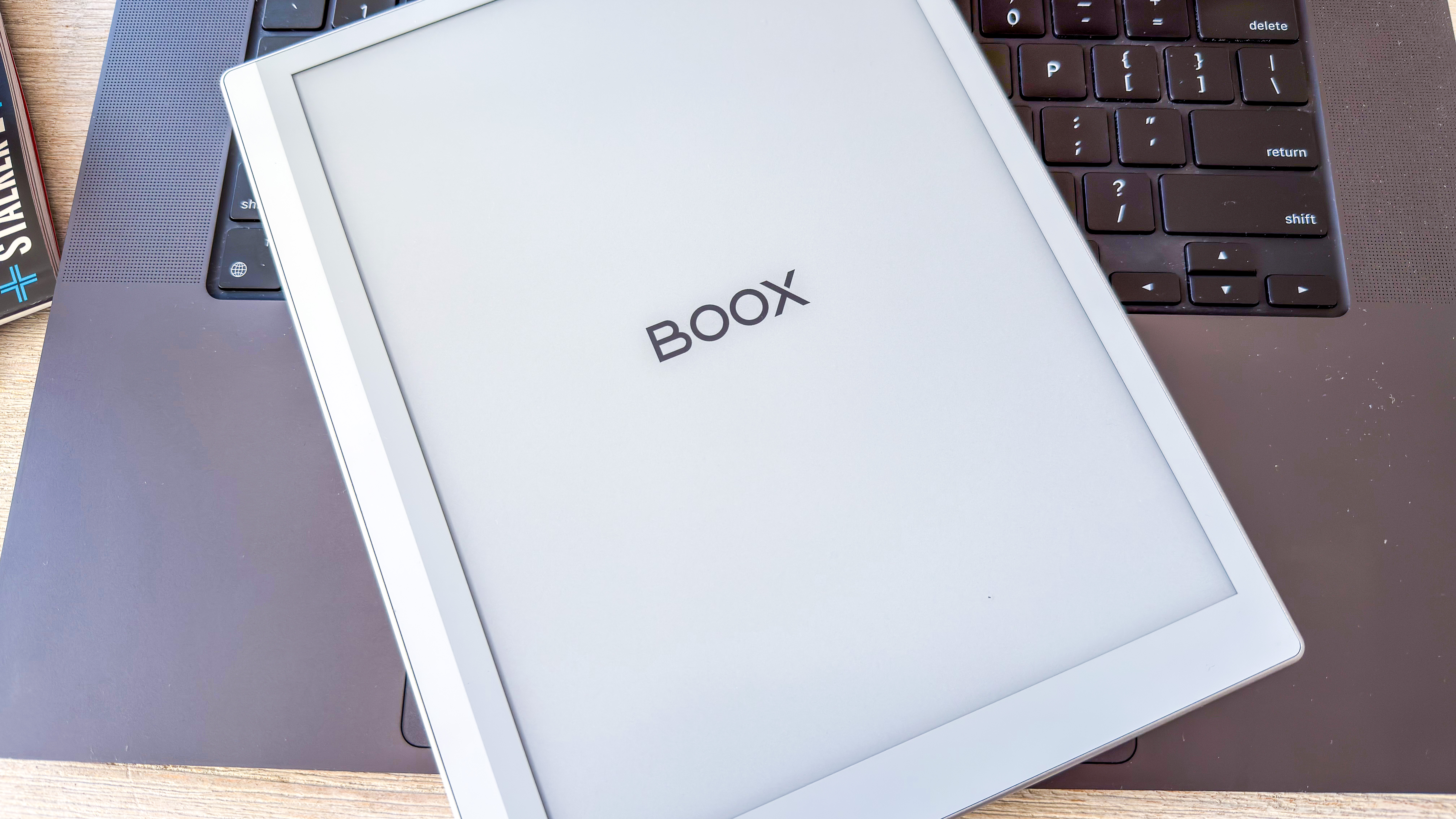
With its eggshell-white body and metallic trim, I thought the first-gen Boox Go 10.3 was a pretty tablet, so I’m glad to see that the Gen II version hasn’t been changed — except for a slightly more textured rear panel that affords a little more grip, which is important for a slim device like the Go series slates. I should note here that both Gen II Go 10.3 tablets are identical physically but, without LEDs on the unlit version, it’s about 14g (0.5oz) lighter.
While the slimness doesn’t make for fantastic ergonomics, the Lumi weighing only 364g is, in fact, lighter than the Gen 1 model that tipped the scales at 375g without screen lights. It is about 0.2mm thicker than the previous Go 10.3, but that’s neither here nor there.
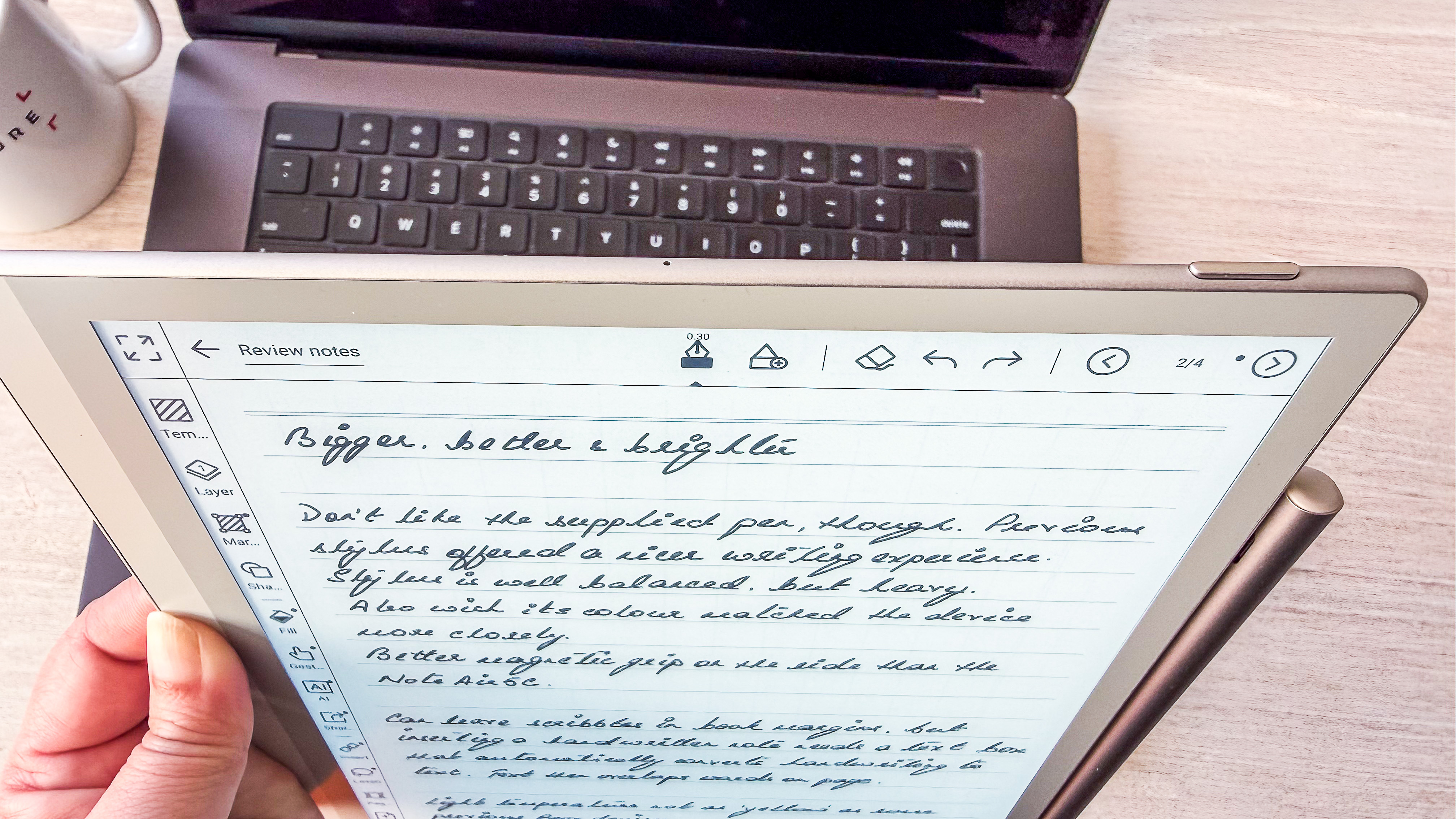
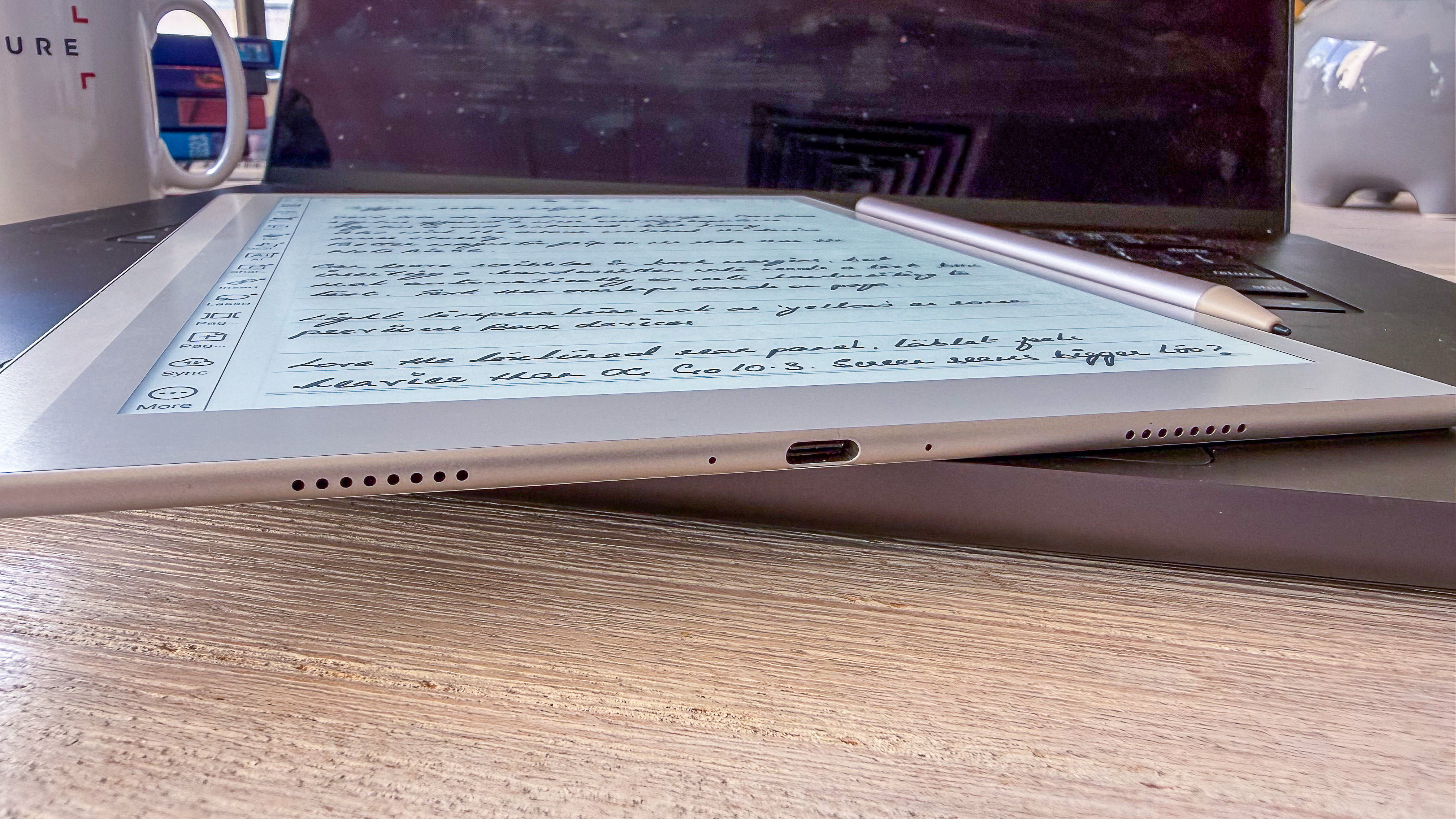
It’s still a beautiful device and, despite the thinness, there are dual speakers on either side of the USB-C port on the bottom edge, as does a mic. The only button is for power/sleep on the top edge. There’s no microSD tray here, though, for additional storage. One larger bezel allows plenty of room for your hand, although holding such a slim device, no matter how light, isn’t necessarily ergonomic. If you add in the sleep case, however, it just becomes heavier.

I should talk about the case here, really quick — it’s a faux suede cover that unfortunately comes with the removable flap that I utterly detest. The brown suede material starts to lose its luster within days of use, so I can’t attest to its longevity, but I can’t fathom why Boox has to make the magnetic flap removable. This has been the case with the last few Boox devices I’ve tested and I find it rather annoying — the magnet is quite strong and the flap tends to entirely come away when you unfold it to close the case or secure the stylus to the side of the tablet.
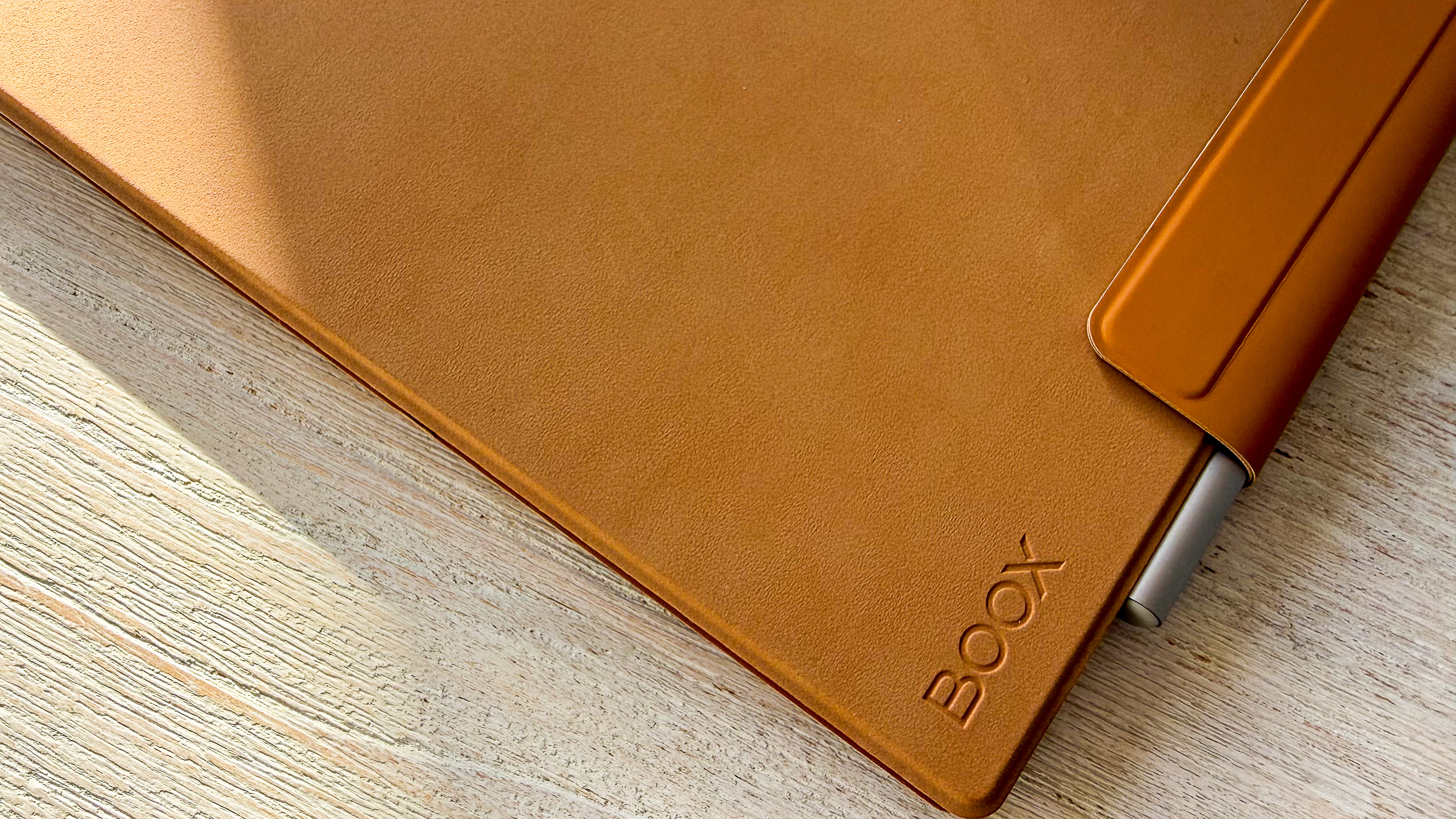
Speaking of which, the magnetic hold of the stylus is good but, as with nearly every such device, it’s not strong enough to keep the pen secure during travel, so you do need to depend on the case.
Boox has also changed the pen, now offering the InkSense Plus stylus that has a thicker tip that just isn’t as smooth as the previous stylus. It’s also slightly heavier than the older pen, which makes it feel clunky in the hand that, in my opinion, doesn’t lend itself well to controlled mark making on the screen. And as I’ve discussed elsewhere, the stylus can make or break the user experience for epaper tablets. Sadly Boox is moving away from using EMR support on its screens (just like reMarkable), so you can’t use a third-party pen on the Lumi.
Boox hasn’t revealed what E Ink screen technology it’s using here, but the 10.3-inch display isn’t bad, with a 300ppi resolution. It’s not as yellow (warm) as I’ve seen on other Boox devices and the frontlight’s incremental adjustments for both brightness and temperature are excellent, adding wonderful contrast to the text or writing on the screen that makes the Lumi a far better reading tablet than its predecessor.
• Design & display score: 4 / 5

Boox Go 10. Gen II Lumi review: Software
- Runs a custom Android 15-based operating system
- A relatively clean user interface, but it takes getting used to
- Plenty of good native apps, but access to the Google Play Store makes it very versatile
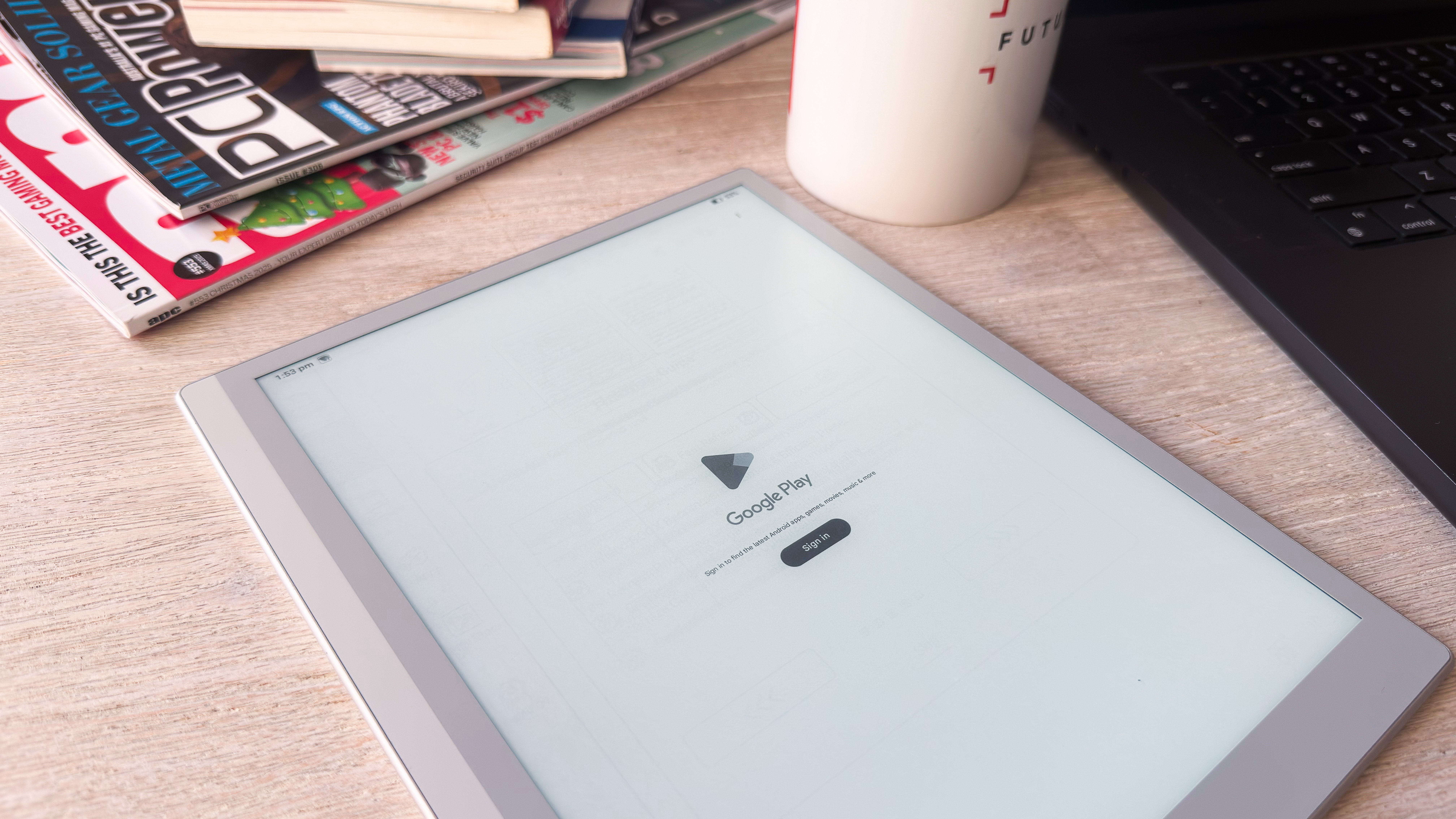
Where the original Go 10.3 released in 2024 was using Android 12, the Lumi (and its cheaper sibling) have been upgraded to Android 15, although the software is a very trimmed-down custom version of Google’s operating system. You still get unfettered access to the Google Play Store, so you can, in theory, use any Android app, but e-ink tablets weren’t meant for streaming content or playing games on.
That said, nearly every Boox device comes pre-loaded with native apps that are quite good in their own right and have been improved over time as well, making them more streamlined than before. That’s not to say the UX is easy — if you’ve never used a Boox device before, it will take time to wrap your head around it all as there are still little adjustments that are hidden in sub menus.
What’s different with the Go series compared to other Boox tablets is the home screen navigation — the main menu is arranged vertically on the left, with the Library being your default view. You can change the main menu items in Settings, though, either adding or removing applications.
Customizing the user experience has never been Boox’s problem, which means you can choose between several options for System Display or Gestures, and even tweak individual native apps as you see fit — even the NaviBall is optional to use and can be configured to trigger a plethora of functions.
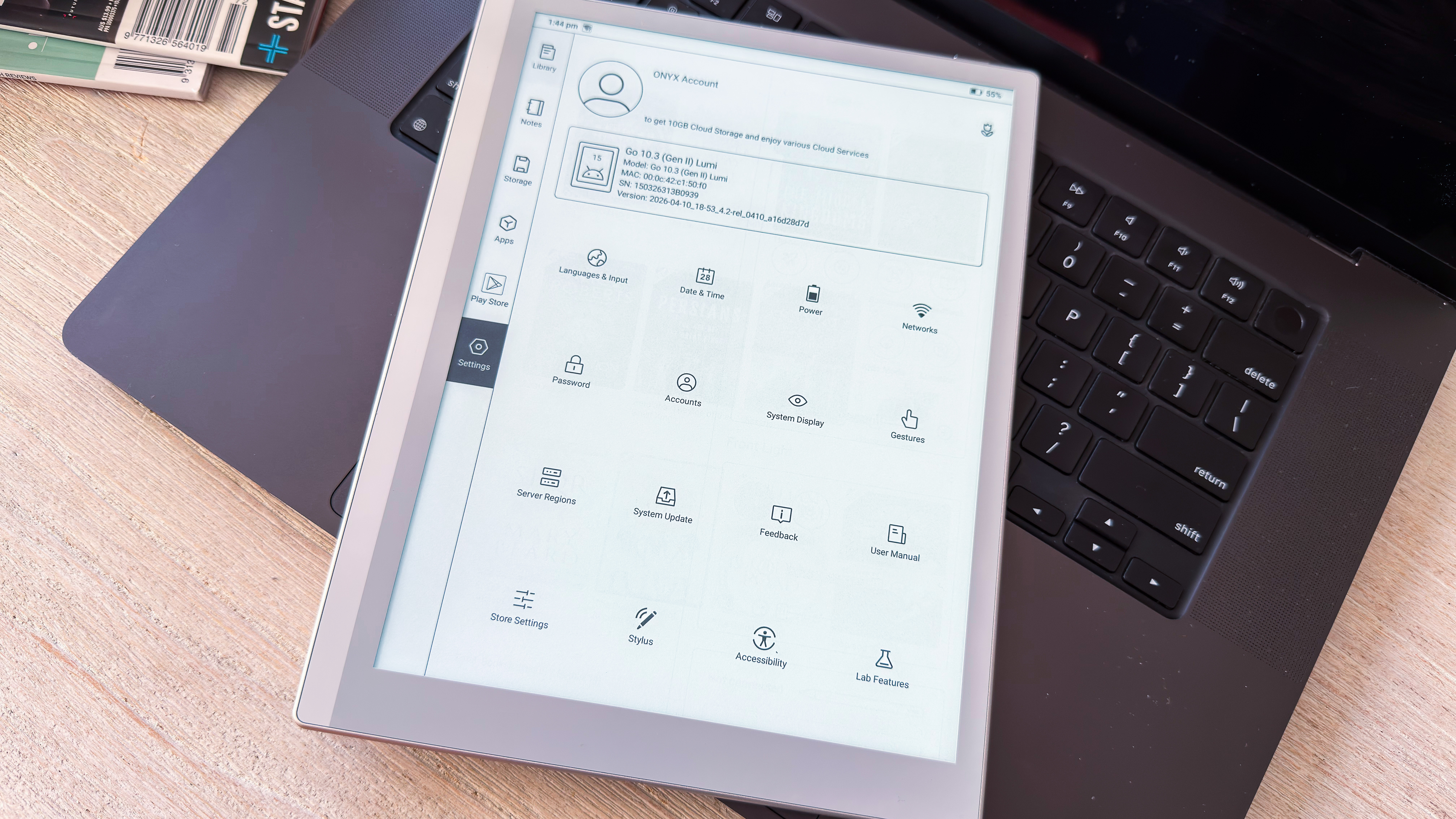
The Control Center hasn’t changed much over the last couple of years, but I’m still not sure access to an AI assistant is necessary on an e-ink device, but perhaps some power users would appreciate it.
As always, you can sign into a fair few cloud services, including Google Drive and Dropbox, get full support for EverNote and OneNote, or download any other productivity application you might need, but keep in mind that not all third-party apps will be optimized for this device.
One of the things I really like about Boox’s premium note-taking tablets is OTG (on the go) support. This means I can plug in an external hard drive or portable SSD directly into the USB-C port to transfer files. In fact, it’s what I predominantly use even though BooxDrop is a handy app for cloud transfer. I don’t even bother signing into my Google Drive account on a Boox these days.
There really isn’t very much to complain about from a software standpoint — it’s the writing experience that takes a tumble here.
• Software score: 4.5 / 5

Boox Go 10. Gen II Lumi review: User experience
- Good screen contrast with lights makes for a lovely reading experience
- The supplied pen, however, isn’t as nice as the older version for writing
A device might look lovely and come with the nicest software, but ultimately its user experience determines its value. And that’s the case with the Go 10.3 Gen II Lumi — it does a lot right, like its reading experience is lovely, but its main functionality of writing is a little bit of a letdown.
Reading
Like I said, reading on the Lumi is lovely — the frontlight makes the text stand out, adding contrast where previously, on the Gen 1, it was disappointing. Page turns are quick enough too with the screen quite responsive to taps and gestures.
And yet I feel it’s a little slow for an epaper tablet that was released in 2026. For example, every time I woke up the Lumi during my months-long testing, it took a while to ‘render’ an ebook from its native library app.



It very much seemed like it was refreshing the app twice before finally rendering the page. On the other hand, the 3rd-generation Kindle Scribe released in 2025 takes a second or two to open but doesn’t flicker or ‘refresh’ the page — it’s a lot smoother on waking up. As are the Kobo Libra Colour and Kindle Paperwhite from 2024.
Boox doesn’t reveal what E Ink screen tech its using, but other than its slight slowness on waking up, I can’t complain about the reading experience. All books and images rendered on screen have been sharp and clear, particularly with the frontlight on.
Writing
The same kind of contrast with the frontlight on is available on the Notes app too where handwriting looks sharp and clear on screen. However, the physical act of writing on the Lumi isn’t as good as it has been on the Gen 1 because Boox decided to change the stylus.
The previous pen had a thinner nib that moved over the screen quite well. The new InkSense Plus stylus is heavier and the slightly thicker tip feels like it needs to be dragged to make a mark — it feels clunkier in comparison.
Boox has also stepped away from using EMR screens, which means you can’t swap that pen out for another. I tried using one of Boox’s own older pens (used to be supplied with the Note series) and it didn’t work. That’s a real shame as writing is the Lumi’s principal function and the experience of doing so is disappointing.
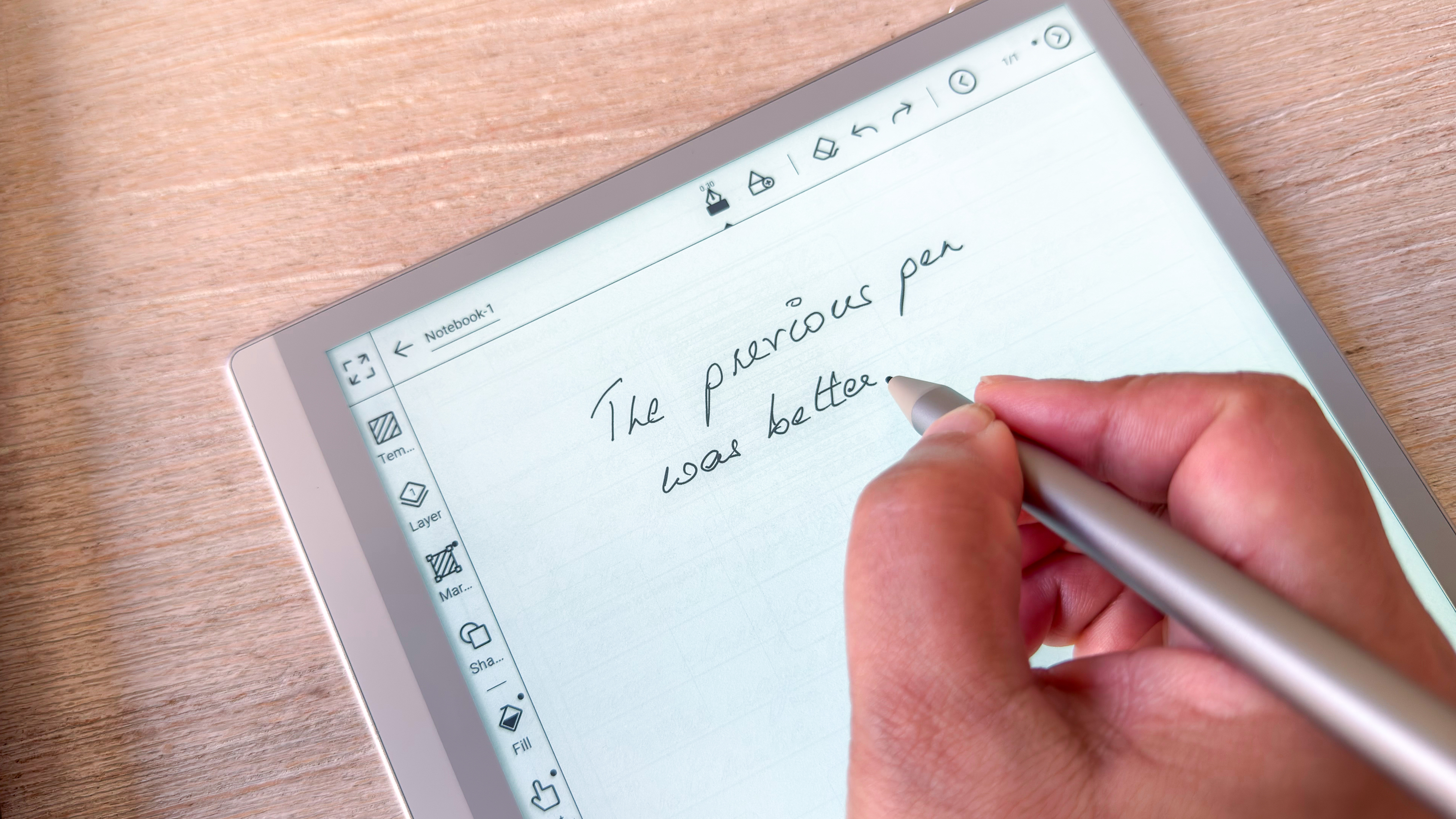
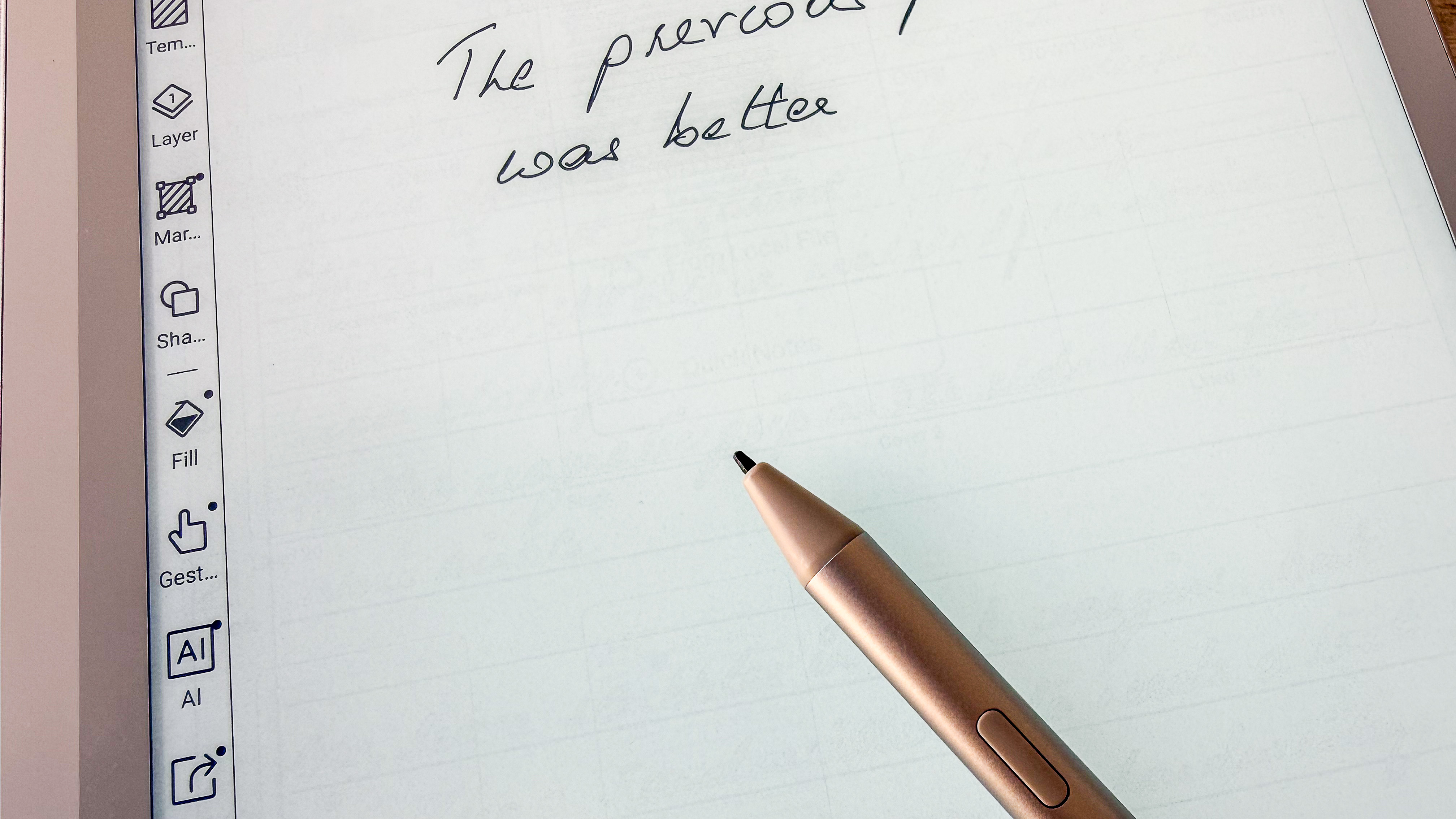
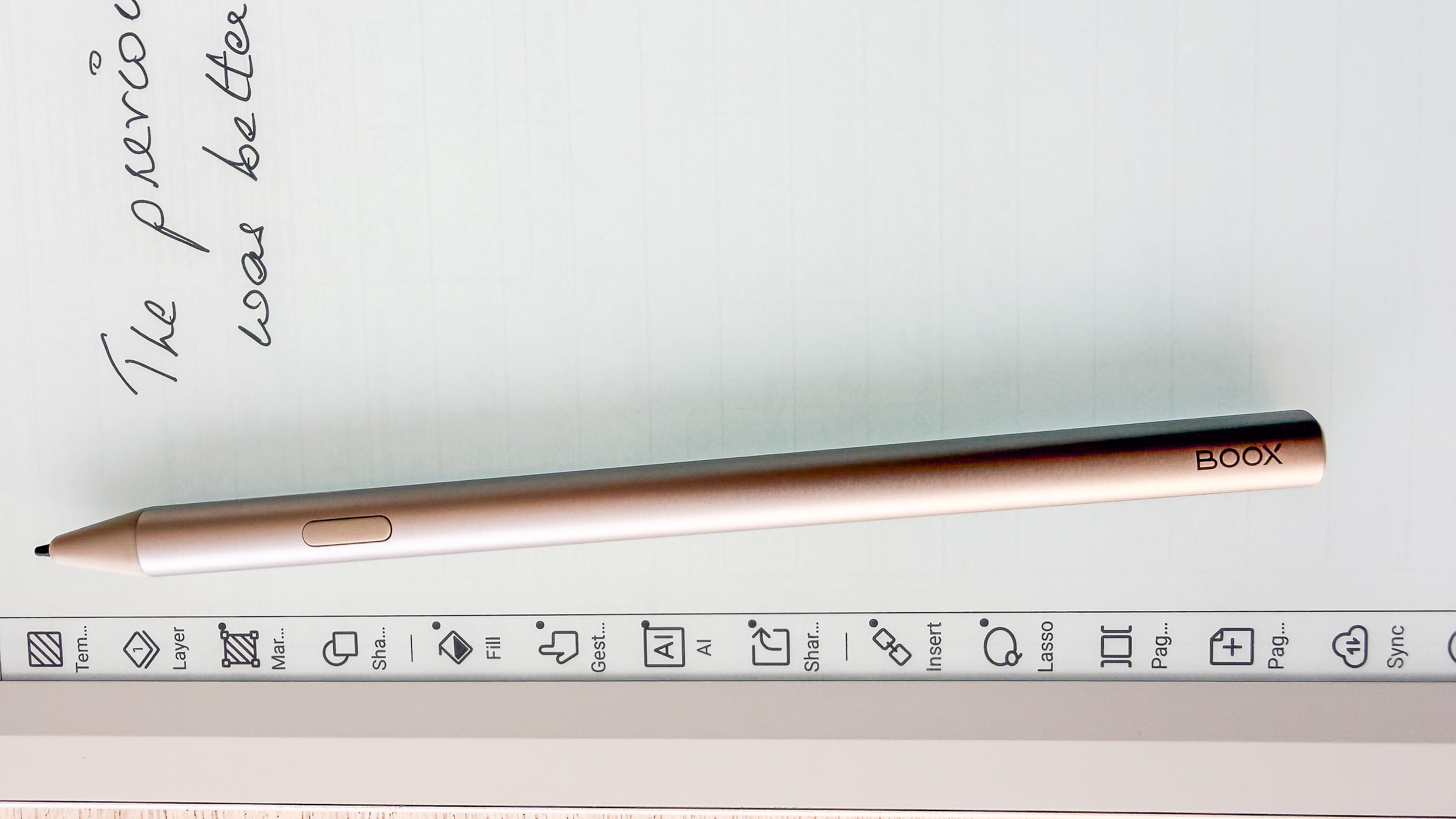
The native Notes application, though, is full featured — in fact, for the average user it’s probably overkill — and would be ideal for students, teachers and researchers.
• User experience score: 3.5 / 5
Boox Go 10. Gen II Lumi review: Performance
- Generally good performance except on waking up
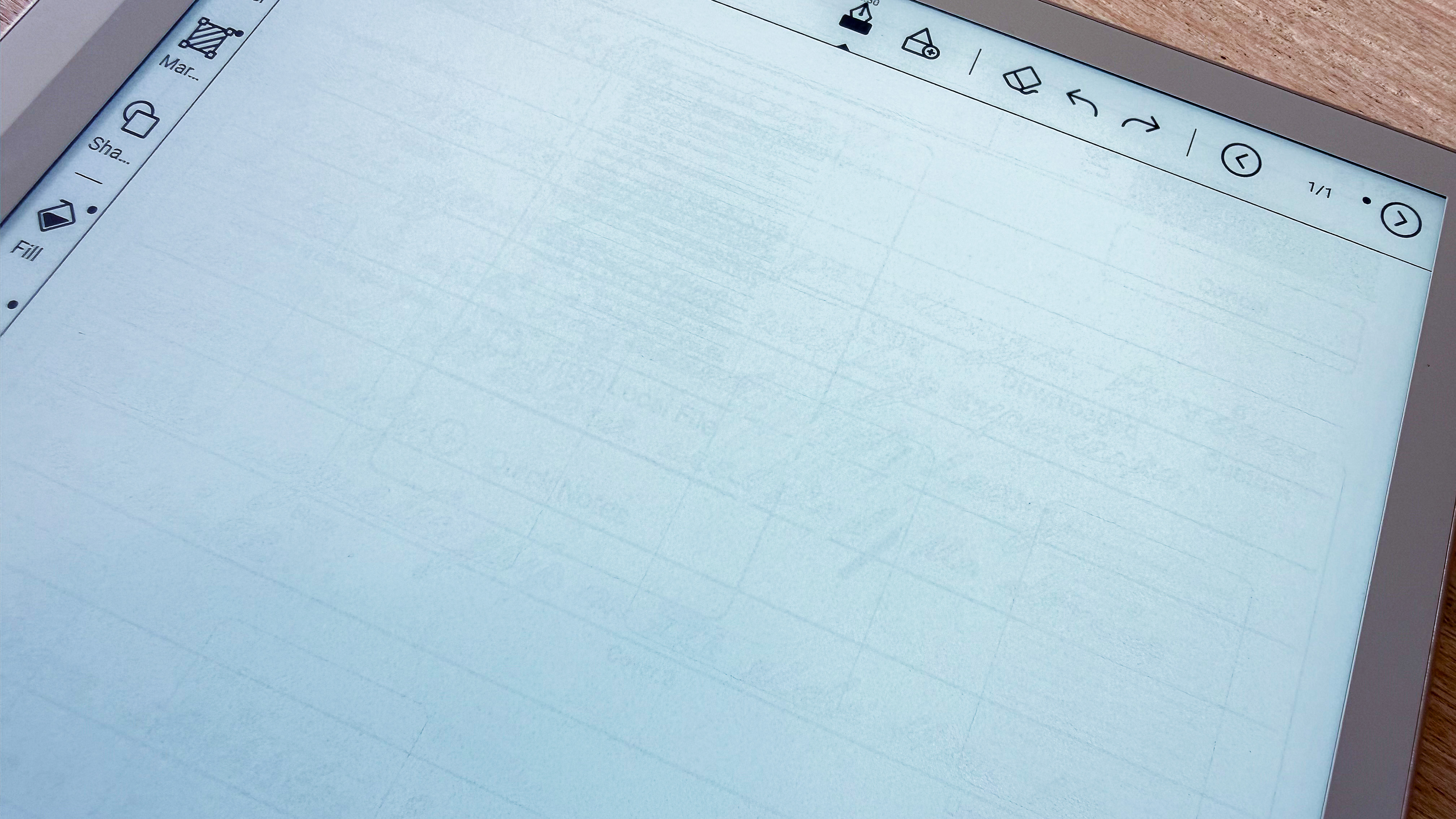
- A lot of ghosting visible, especially in the Notes app
- Exceptional battery life for an Android device
The Lumi's overall performance is a mixed bag. While it uses a better chipset (Qualcomm Snapdragon 690) compared to the original Go 10.3 (Snapdragon 680), it hasn't really made much of a dent in the speed with which the Lumi performs the tasks at hand.
That's not a complaint — it's an observation. However, Amazon's newest Kindle Scribes are just that much faster at things, like page turns are so quick they barely register that they've moved and the lag between pen input and the mark on screen is barely discernible. On both counts the Lumi is just that smidgeon slower that you can notice if you use it side by side with the 2025 Kindle Scribe (3rd generation).
The slow waking up of the screen is also something that has bothered me, and I've already mentioned how disappointing the writing experience is, but I'm also surprised at how much ghosting there still is on Boox devices, including the Lumi, something Amazon has managed to completely eliminate on its Kindles. You'll be able to notice the ghosting on nearly every single image I have in this review (including in the gallery below).
Where the Lumi really shines (pardon the pun) is with battery life. It still uses the same 3,700mAh battery pack that was in the Gen 1 model and yet whatever software adjustments Boox has made has pushed battery life to weeks rather than days. It's the first Android digital notebook I've used to have such an impressive battery life, one that can match the Kindle Scribes, albeit dependent on use.
In my case, an hour of reading and 30 minutes of writing per day gave me 17 days of use with frontlight at medium brighness and a similar warmth setting, plus Wi-Fi on at all times (but not Bluetooth). Using cloud services and didn't make any dent on the battery usage, although excessive online browsing did drain a little extra but not by all that much.
Topping up was average, with the 3,700mAh pack going from 19% to full in just under two hours when plugged into a wall charger via a high-quality USB-C cable.
• Performance score: 3.5 / 5
Should I buy the Onyx Boox Go 10.3 (Gen II) Lumi
Attribute | Notes | Score |
|---|---|---|
Value | It's cheaper than the 3rd-gen Kindle Scribe, but you'll get better performance elsewhere | 4 / 5 |
Design & display | It's a beautiful device with reMarkable 2 vibes, and a frontlight makes a world of difference. However, the display just seems to lack the oomph factor I've seen in newer epaper tablets. | 4 / 5 |
Software & apps | With an Android-based software allowing for versatility, and a nicer user interface than previous Boox UIs, it's hard to fault the Lumi. It's not perfect, but it ain't bad. | 4 / 5 |
Writing & productivity | It's fantastic to read on, with brilliant contrast when the light is on, but the supplied pen is a major letdown when it comes to writing. | 3.5 / 5 |
Reading | Without a frontlight, it's not the ideal ereader | 3.5 / 5 |
Performance | On its own, the Lumi performs well for most users, but it's hard to give it full praise when there are faster E Ink displays being used on competitive digital notebooks, but the battery life is the best for an Android epaper tablet. | 3.5 / 5 |
Buy it if...
You want a thin, light digital notebook with frontlight
There are more epaper writing tablets without a frontlight now than with, and trust me when I saw that can make a difference to usability, especially at nighttime and in bright sunlight.
You want the versatility of the Google Play Store on your digital notebook
It's not the only Android-toting epaper writing tablet, but it's well priced compared to some of the competition.
Don't buy it if...
You'll be doing a lot more writing than reading
The Lumi's main function is as a writing tablet and, given the disappointing stylus supplied with it, it's hard to recommend when there are competitors offering a better experience.
You want the best performance out of your digital notebook
It's not that the Lumi is bad; it's just that there are better options out there that have more responsive screens with next-to-no ghosting.
You need plenty of storage
64GB is a very good amount of storage that you'll get on the Lumi, but power users with large files saved on the device might need more, and there's no microSD card tray here. For that, I'd recommend Boox's Note series over the Go.
Also consider
I like the Lumi, but I don't I love it. If, like me, you'd be keen to check out other options, the two below are the ones I'd recommend, both of which are cheaper but aren't Android based.
Amazon Kindle Scribe (2nd gen)
It might have been succeeded by the 3rd-gen Scribe that's bigger and better, but it's still available to buy and still makes for an excellent e-ink writing tablet with a lovely screen and, importantly, regularly discounted now since it's an older model.
Read our full Amazon Kindle Scribe (2024) review for more details
reMarkable Paper Pure
It's not as full featured as an Android-based epaper writing tablet, but this reMarkable offers you a distraction-free slate to unleash your creativity. It's essentially the reMarkable 2 in a new body with 32GB of storage.
Read our in-depth reMarkable Paper Pure review to learn more
How I tested the Onyx Boox Go 10.3 (Gen II) Lumi
I've tested a range of ereaders and epaper writing tablets for TechRadar, so I'm well suited to compare the Boox Go 10.3 (Gen II) Lumi with its competitors.
As with all such devices I've previously tested, the first thing I did with the Lumi was to sign into the Google Play Store and down the Kindle and Kobo apps. I then used OTG support to transfer ebooks to the device directly from a portable SSD via the USB-C port, but I also used BooxDrop and cloud transfer from Google Drive to test various services.
The Lumi then became my daily ereader and note taker for 4 weeks, using it an average of 2-3 hours a day to read and write. I'm not an artist, so drawing was out of the question.
Out of curiosity, I also downloaded Geekbench 6 to benchmark the CPU (the app is available on the Play Store). I sideloaded a few MP3 files to test the onboard speakers.
Read more about how we test
[First published July 2026]


Comments
Post a Comment