The Oscal Marine 3 breaks the rugged smartphone mold - it's slim, lightweight and stylish, but I can't ignore that slow processing power
Oscal Marine 3: 30-second review
The Oscal Marine 3 is a surprisingly stylish, slimline, rugged smartphone that breaks the usual design conventions. Gone are the cyberpunk-style, bulky rubberised outer casings; in their place is something a little bit slimmer and more refined in looks at least.
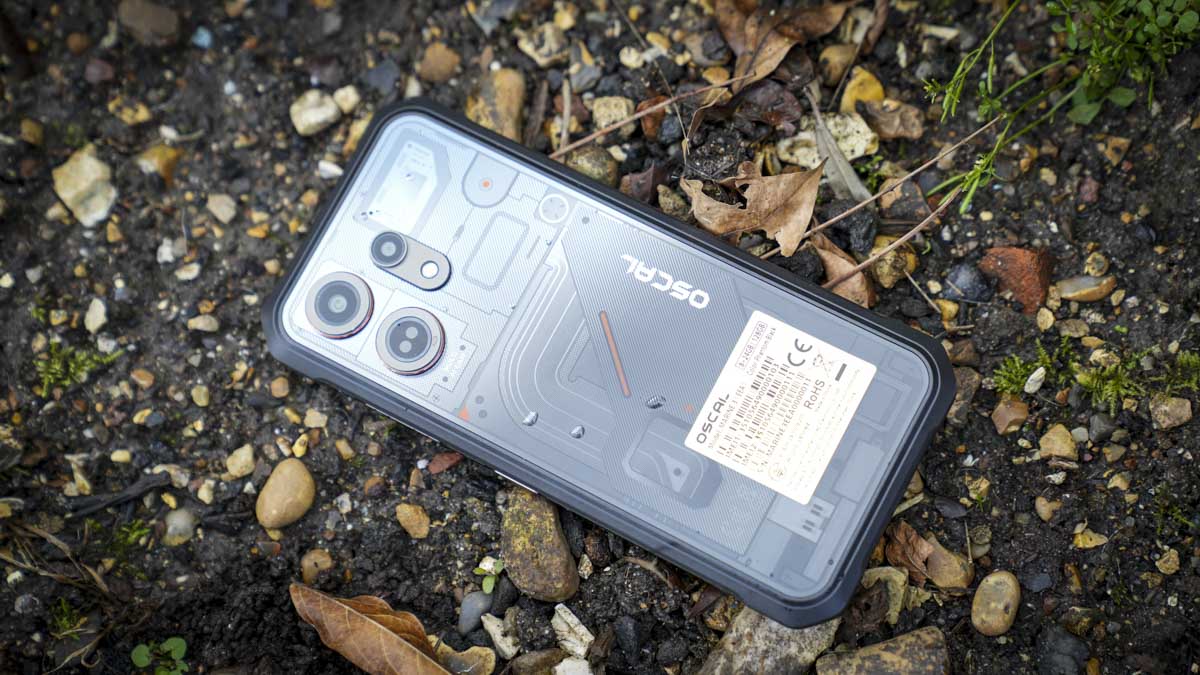
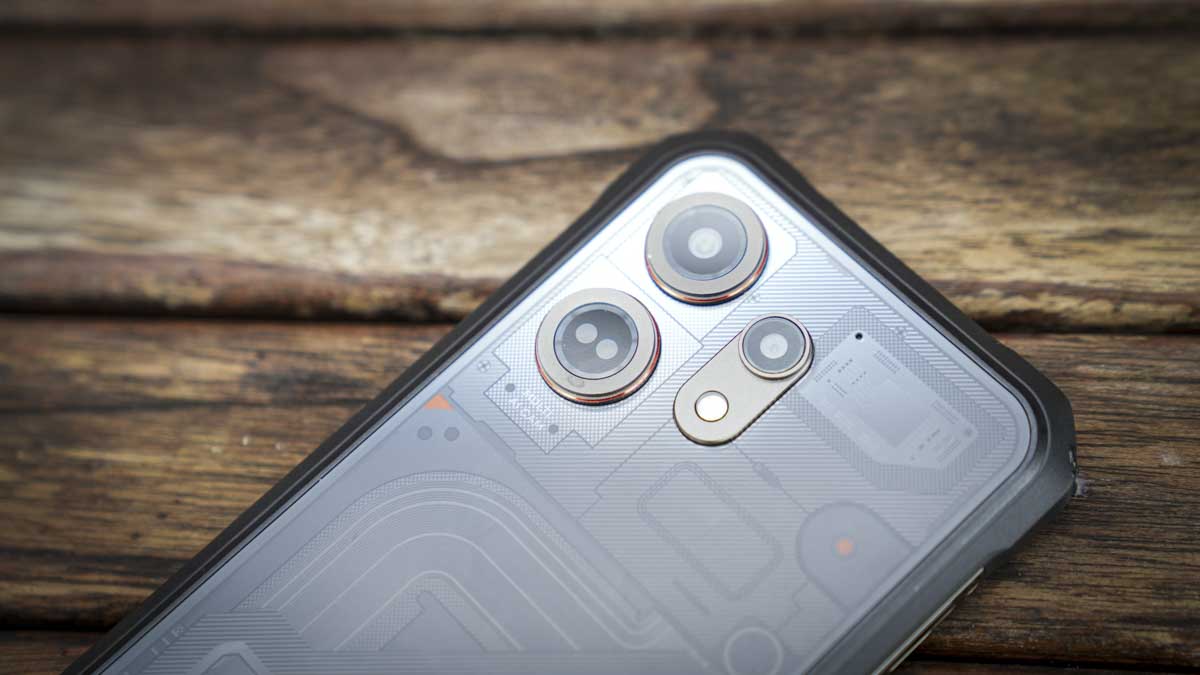
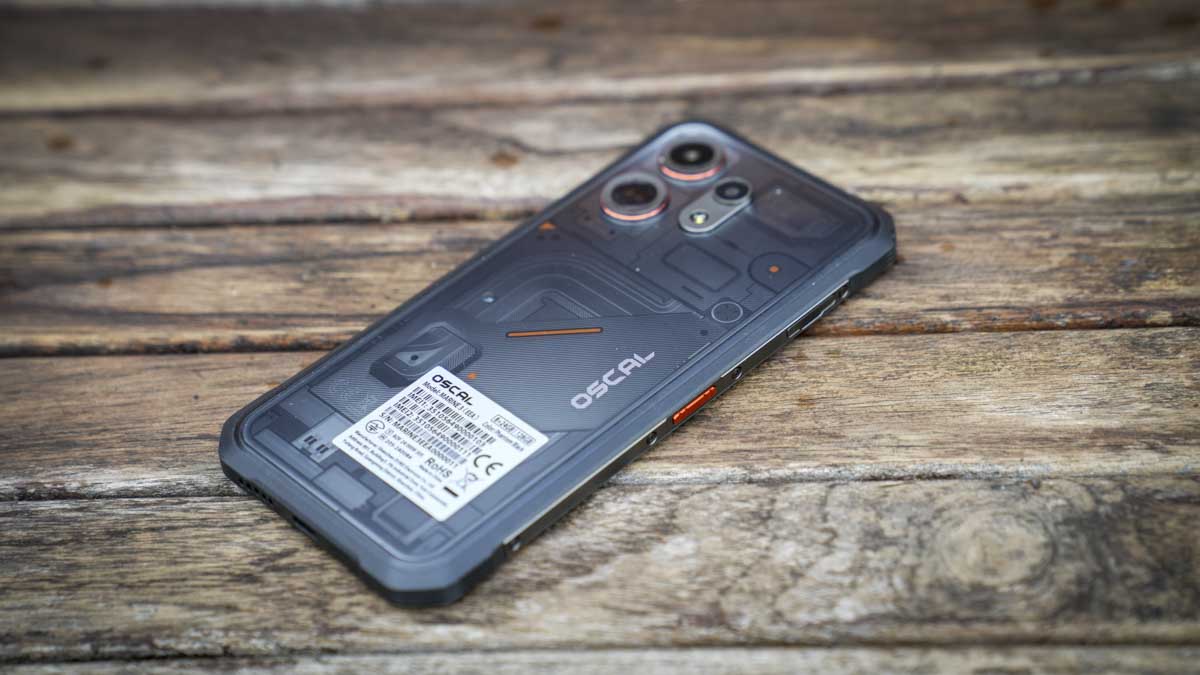
It is much simpler in design than its larger and heavier rugged smartphone counterparts. However, it does feature a technological illustration on the back plate, and the rubberised edges and corners, whilst not as dominant, are retained, highlighting that this isn't just a standard consumer phone but something altogether more rugged.
The phone is slim, and put side-by-side next to an iPhone 15 Pro, the actual thickness is pretty much identical, although it does feature a slightly longer screen, giving a bit more screen real estate for browsing the internet, answering emails and enhancing images.
Despite the slimline design being closer to consumer-level phones than rugged models, it is still fully waterproof. In testing, it was submerged for 10 minutes in a fast-flowing stream, then dropped and put through its paces to test its strength and ruggedness. Although it’s worth highlighting that the USB-C port at the base for data transfer and charging is open to the elements and this does caused me some concern.
The camera, both for daytime shooting and the infrared option, is on the whole pretty decent, not groundbreaking, and there's no cutting-edge imaging technology for the camera itself, although there are AI imaging Apps. They're just good standard cameras. Alongside the standard camera app, Oscal have included several AI applications, including ImageX. This offers impressive capabilities, but like all apps added to the standard DokeOS 5.0, after a few quick uses of the AI features, you're prompted to subscribe to the app's different AI models, and these all cost a lot.
Alongside the camera and imaging is a decent speaker which, considering its size, is surprisingly loud. Whilst it is a little bit tinny and requires a good shake after being submerged in water, it’s fine for listening to the radio whilst you work or for multimedia playback.
Through the test I found that the battery, whilst substantial, would last a good three days between charging depending on use, as long as I didn't use it too heavily for gaming or watching video. While it’s advertised as fast charging, the 18W charger takes around 2 hours to reach 50% from flat, which, by any standard, is not fast. However, a good overnight charge, and you're all set for another 2 to 3 days of solid use.
The main issue with this rugged smartphone, however, is the processor, which is behind what you'd expect for a modern smartphone despite it’s AI credentials. Switching between applications is often laggy, and the screen can become unresponsive when running more intensive applications such as Lightroom. The analysis time in Lightroom is significantly slower than I have seen with many other modern rugged smartphones, and whilst the device's design makes it desirable, the processor's speed does let it down.
In reality, whilst the slimline design makes for a quite appealing rugged smartphone, the processor speed does limit its use, apps just take that much longer to load, but once loaded they generally run fine. Whilst it has a relatively decent camera and runs most apps at a moderate speed, if you need it for anything more intensive, especially switching between apps, you will find its processing speed is limiting.
Because of that, it's unlikely to trouble the devices in our best rugged phone guide. Ideally, this phone is suited to someone who wants a relatively lightweight, slim, rugged smartphone that they just need for occasional calls and checking email.
Oscal Marine 3: Price & availability
- How much does it cost? $399
- When is it out? Now
- Where can you get it? Widely available
The Oscal Marine 3 can be purchased from Oscal's Amazon storefront via the website clicking here. It's currently priced at $400 / £400.
The rugged phone is also available from a limited number of alternative online stores, most notably in the US.
- Value: 2.5 / 5
Oscal Marine 3: Design
CPU: MediaTek Helio G81
Graphics: Mali-G52 MC2
RAM: 8GB (+ virtual expansion)
Storage: 128GB + microSD/TF (Up to 2TB)
Left Ports: Dual SIM / microSD tray
Right Ports: Power button, volume controls
Connectivity: 4G LTE, WiFi, Bluetooth, GPS
Audio: Single loudspeaker
Camera: 16MP rear + IR night vision, 13MP front
Size: 174.6 x 83 x 10.7mm
OS Installed: Android with DokeOS 5.0
Accessories: Charger, cable, SIM tool
When I first opened the box and looked at the Oscal Marine 3, I was instantly struck by its slimline design and smartphone aesthetics. It was far nicer and easier to handle than most rugged smartphones. It also had a good premium feel and, whilst it is slimmer than most, it still has a good solid weight, and the overall design quality and build is exceptionally good.
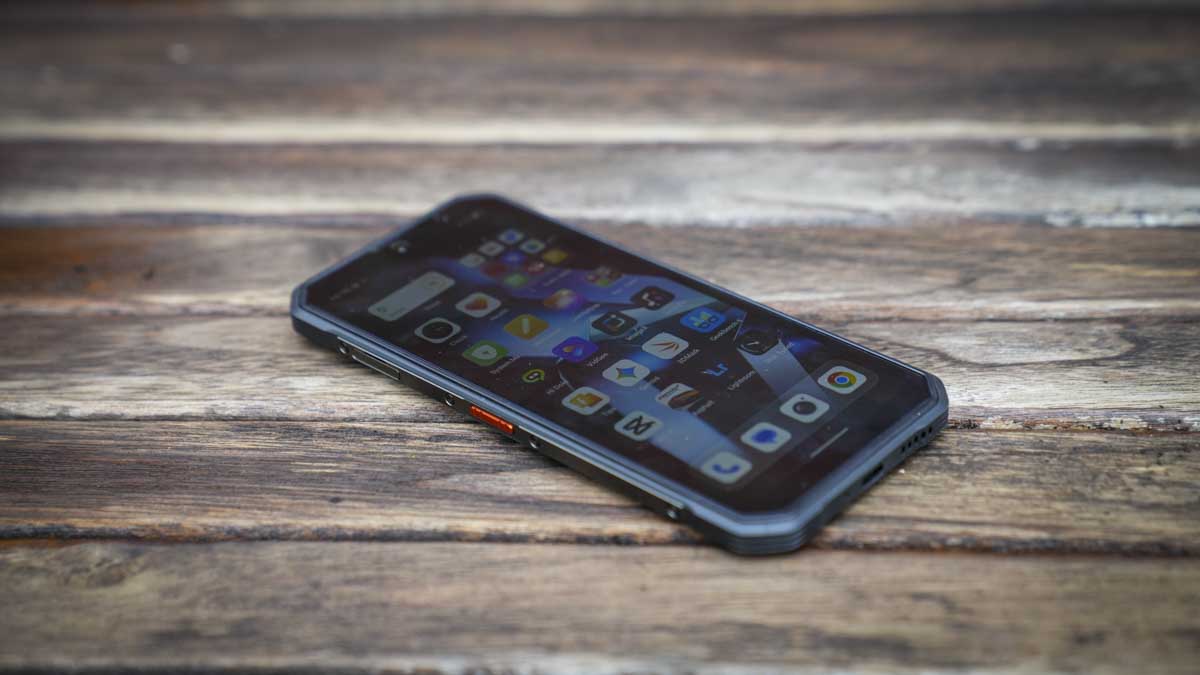
Checking the phone itself, there’s a nice graphical detailing on the back that sets off the infrared, multi-AI cam, Infrared and main camera, whilst on the front, the surface is dominated by the large 6.56-inch 90Hz display with Selfi camera.
It retains the feel of many other rugged smartphones, with dimensions of 174.6 x 83 x 10.7 mm and a weight of 245 g. That's only just heavier than a standard consumer smartphone.
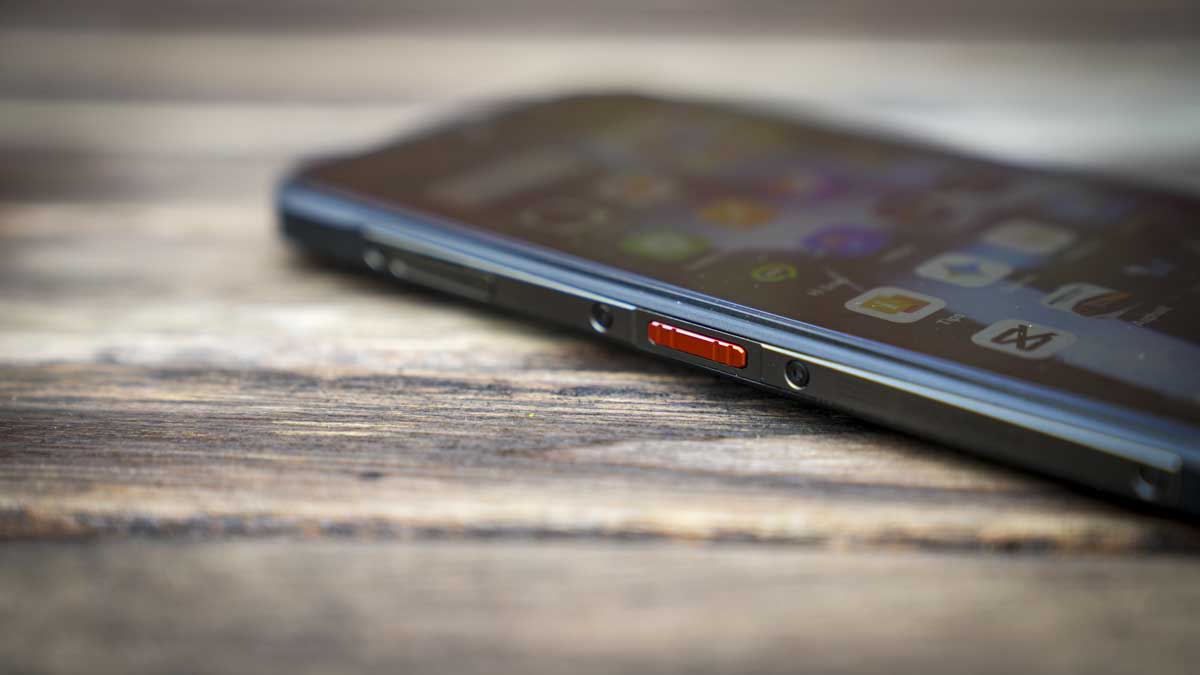
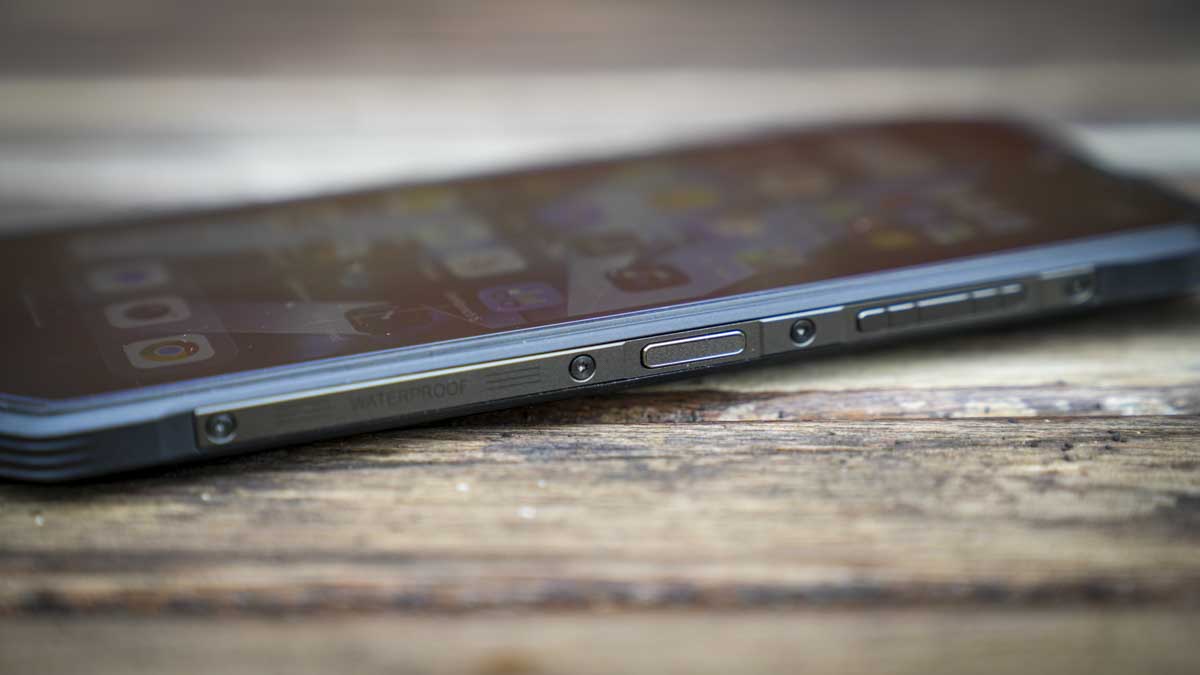
One of the other features that I liked about the phone from the outset was the number of physical buttons around the body. You have a customisable orange button alongside the microSD and dual SIM card slots on the left-hand side of the body. Then, on the right-hand side, you have the power button with fingerprint recognition, above which are the usual volume up and down buttons.
Otherwise, the rest of the phone is pretty simple, with just the main charging USB-C port on the base. Surprisingly, for a rugged smartphone, this isn't sealed, so it is open to the elements. During the test, I found this was something I had to watch out for, as mud and water can get into the port, and it can be a little tricky to clear it out.
One of the other features that I did like when using the camera was that you could assign that custom button as the shutter button, and this was especially relevant when using the underwater camera, as it essentially enables you to disable the touchscreen so that the physical button is used to operate the camera, which works extremely well.
Ultimately, this is a rugged smartphone designed to withstand the elements, and a key feature is its usual rugged certifications, including IP68, IP69K, and MIL-STD-810H, meaning it can be submerged in water and dropped from a height without too much issue.
- Design: 3 / 5
Oscal Marine 3: Features
The Marine 3 is one of a number of new rugged smartphones that feature AI abilities, and this is a big part of this particular model. Behind that 6.56-inch 90Hz HD display the phone runs Doke OS 5.0 based on Android 16 and there’s the AI Software suite known as Doke AI 2.0.
The ruggedness is obviously the top feature of this smartphone and with MIL-STD-810H certification it just means it can stand up to more than most consumer phones, so it can be dropped from height and, with IP68 and IP69K ratings, it will withstand being dropped into water and covered in dust and dirt without issue, making it ideal for anyone who works outside or is looking for a decent smartphone that will withstand the elements.
Whilst rugged smartphones aren't really known for the quality of their cameras, it's interesting to see that this model features a 13MP infrared night vision camera, accessible through the standard app by tapping the night vision icon, which swaps the main 16MP camera for the infrared camera.
The camera app also features an underwater camera mode that essentially disables the touchscreen and enables you to configure the physical button to operate the camera.
The main camera is 16MP, which is very conservative for a modern camera. However, given the resolution, the picture quality actually seems very well balanced, and on the front, there is, of course, a 13MP selfie camera for video conferencing and selfies.
The 6.56-inch IPS touchscreen has a maximum brightness of 450 nits, which is pretty decent for general use, though in bright summer conditions it might get a bit tricky to see. However, on the flip side, during winter, with modes such as Glove Mode 2.0, the screen is surprisingly responsive even with touch-sensitive gloves.
Through the test, one common rugged smartphone feature that I was pleased to see is the ability to configure the custom side key, setting is a quick access to an app or feature.
As a rugged smartphone, navigation technology is essentially although it is a bit surprising that it's only 4G and not the latest 5 G. However, it does feature four-in-one navigation with GPS, GLONASS, BDS and Galileo.
The company has also included a toolbox of handy apps, including the usual compass, protractor, plumb line, and many others, which are useful if you're working in a trade or just need a few extra tools out and about.
One of the phone's more quirky features is the Smart-K speaker, which is surprisingly loud and louder than my iPhone 15 Pro. It is a bit tinny, but at least you can hear it in almost any situation.
The battery is another big part of any rugged smartphone, and here, with a 5000mAh battery, it supplies plenty of power for general phone use. It also offers fast charging. That battery will enable up to 6 hours of gameplay, 6.5 hours of video, 11 hours of web browsing, 22 hours of making calls, 25 hours of listening to music, and 288 hours on standby. There's a deep power-saving mode that works automatically in the background.
The phone does support reverse 5W charging, which means that if you have other mobile devices or electronics that need a charging boost, then this phone can act as a power bank.
The phone runs Doke OS 5.0, based on Android 16, and offers a good number of built-in apps, including all the usual Google options. There's also plenty of AI-powered features, including several bundled apps and a very decent system manager that enables you to free up space and keep the smartphone optimised. I also like that it features Notebook 3.0, which lets you easily keep notes and other content on your smartphone neatly organised.
Alongside the main OS, there’s Doke AI 2.0. This essentially offers DeepSeek-R1, ChatGPT-4o Mini, Gemini, Hi Doki, ImageX, Vidgen and Soundle. Whilst some of the features are free, given the processor speed, they all run surprisingly quickly, the only thing to watch out for is that some of these apps require a subscription after a certain amount of use. Many of those subscription values are expensive.
Whilst the AI apps do make your AI tasks that much easier they can come at quite a cost which is something to be aware of if they are of interest to you.
At the heart of this phone is the MediaTek Helio G81 processor, backed by 24GB of RAM (8GB + 16GB expandable), giving it plenty of memory to handle data. When it comes to storage, there's 256GB of ROM built in, and you can expand it to 2TB via a TF or microSD card.
No rugged smartphone would be without dual SIM support, and in the carrier tray, you can pop in two 4G SIM cards alongside a TF card to boost the storage. Other connectivity options include NFC support, so if you want to use contactless payment, then that's perfectly possible with this phone, along with Wi-Fi and Bluetooth 5.0.
- Features: 3.5 / 5
Oscal Marine 3: Performance
CrystalDiskMark Read: 570.4 MB/s
CrystalDiskMark Write: 160.39 MB/s
Geekbench CPU Multi: 1332
Geekbench CPU Single: 397
Geekbench GPU: 979
SlingShot: 1718
SlingsShot Extreme: 1196
Wild Life Extreme Overall: 171
Wlidlife Overall: 634
Steel Nomad Overall: 61
The Doke OS, which is based on Android 16, is really well thought out, and there's plenty pre-installed to get you started, including the Doki and its selection of AI applications alongside what you usually expect from Google.
One of the first things I noticed about the phone, while running through some tests and opening some apps, was that app load times were relatively slow. They weren't instantaneous on opening and, when switching between applications, there was often a slight pause as the phone seemed to need time to catch up.
However, once the applications were open and I started to delve into their use, things started to smooth out. Looking at Google's suite of applications, including Docs and Sheets, both opened relatively quickly, and making adjustments to existing documents or adding to them was all relatively straightforward.
Likewise, opening Gmail and answering a few messages proved that this phone was more than fast enough for general day-to-day calls, email browsing, and using lighter apps.
As I progressed through the test, the fact that I was reverting to a standard 4G connection rather than 5G became an issue. Around my office, where generally we just get 4G, the speeds were okay, a little bit slower compared with my iPhone 15 Pro, but as soon as I went up to Salisbury, where 5G coverage is relatively good, the slower data speeds were very apparent.
The other point here was that whilst I'd expect those data speeds at 4G to be pretty solid in 4G-only areas, they were still slightly slower than on my iPhone 15 Pro, reaching a maximum of 20 to 30MB per second compared with the iPhone 15 Pro at 30 to 40MB per second.
As I started pushing the phone a little more, first using Lightroom, I was surprised by how long it took the app to load. Once it had loaded, I was able to access the image files on the phone and load them in, and again, it took a while for Lightroom to run through its standard analysis before I could start making any adjustments. Each image would take at least 20 to 30 seconds to properly load and be analysed before those adjustments could be made. However, once the phone had run through its assessment, all additional adjustment work were instantaneous.
I then decided to use CapCut. Using video footage taken from the phone, edits were relatively quick, and the phone responded well to putting together a short production. However, again, when loading CapCut and sometimes loading those video clips, there was a slowdown in processing, and whilst when everything had loaded things were quick and responsive, you just have to be patient while the phone catches up.
I then switched over to the Doke AI suite of applications, and here the phone seemed to handle them much better, applying AI enhancements to existing images and generating AI content. However, as I've witnessed with these Doke AI apps before, you only get a few uses before you're charged a monthly or yearly fee to continue using them. Whilst there are offers, it does feel like a bit much to pay such an amount per app rather than having a longer trial period for each.
One of the final tests was just to check how the phone would perform for gaming, and I was actually quite surprised by how well it handled games like Asphalt Legends, with relatively smooth gameplay and decent audio from the internal speaker.
In many more advanced games, the loading times are excessive. Once it's all loaded into the system however, the gameplay is relatively decent, and what really stands out here is that the speaker is far higher quality than I've come to expect from most smartphones, although again it's still a little tinny.
Checking out all the benchmarking tests again just re-emphasised that this is a good, solid smartphone for day-to-day use, as long as you don't want to run too many apps or play some of the more advanced games. Also, for almost any app you open, load times can be relatively slow, so in reality, this phone is best used if you want a slimline phone for making calls, using a few apps, and surviving out in the elements.
The final test was to check out how rugged this smartphone is, leaving it in a stream for 10 minutes to see if it would survive being submerged. Here, it had absolutely no issues whatsoever, with my only concern being that the USB-C port is exposed. During the test, as I started dropping it into muddy water and dirt, debris got into that port. At one point, it made it difficult for me to actually plug it in to recharge.
- Performance: 3 / 5
Oscal Marine 3: Final verdict
At the end of the test, whilst I like the phone's design, there are quite a few quirks. At the same time, the fact that applications take quite a long time to load is a bit of an issue, especially as it seems to take a long time to analyse images, video, and other data.
Even when switching from one Android app to another, there can sometimes be a glitch or delay, and what really bugs me beyond anything else is that many of the apps are tied to advertising, so you can tap a functional feature and find yourself on the Temu website without warning. Some of the other apps will open up other subscription offers and models when all you want to do is get on and use the phone.
If you're after a straightforward phone with some AI enhancement, then this is an okay option. If I were going to buy this, I would probably suggest removing most of the AI-enhanced apps, since the subscriptions are expensive and they tend to redirect you to shopping websites.
There's also the issue that it's only 4G, not 5G, and everything is just a little bit sluggish. Another major issue is the price. At nearly £399 / $399, this isn't a cheap phone, and in reality, there are many other options out there that provide far greater processing power for a lot less money. Really, you're paying that much for rugged credentials rather than performance.
Should I buy an Oscal Marine 3?
|
Value |
Expensive for the processing power, slightly balanced by the robust design |
2.5 |
|
Design |
Great looking design, slim with a very premium feel, but the USB port is exposed |
3 |
|
Features |
Night vision, durability and large screen are key features for this rugged phone |
3.5 |
|
Performance |
Entry-level but usable daily if you don't want anything too processor-intensive |
3 |
|
Overall |
Tough tool for outdoor workers, limited appeal due to the power of the processor |
3 |
Buy it if...
Outdoor survivability is essential
With these rugged specs, the Oscal Marine 3 is a durable phone for wet, dirty conditions where reliability matters more than gaming performance or speed.
You need a waterproof phone
You regularly work near water or in conditions where your kit and equipment can get wet, this ticks the right boxes.
Don't buy it if...
You run a lot of apps
Because of that slow processor, the phone is not good if you frequently multitask, edit images, or expect your apps to open instantly.
You need fast charging
Avoid this device is you expect fast charging speeds and processing performance from your smartphone.
For more durable devices, we've tested and reviewed the best rugged laptops and best rugged tablets.


Comments
Post a Comment