I tested the retro Fujifilm X-T30 III and tiny new zoom lens, and the kit is a great pick for beginner photographers
Fujifilm X-T30 III: two-minute review
Fujifilm has updated its beginner mirrorless camera for photographers with the new X-T30 III, which comes four years after the Fujifilm X-T30 II.
It launches alongside a tiny new XF 13-33mm f/3.5-6.3 OIS kit lens (that's a 20-50mm effective focal length) that's smaller and lighter than the 15-45mm, the previous kit lens packaged with Fujifilm’s low-cost cameras. The portable pair weigh just 17.7oz / 503g combined.
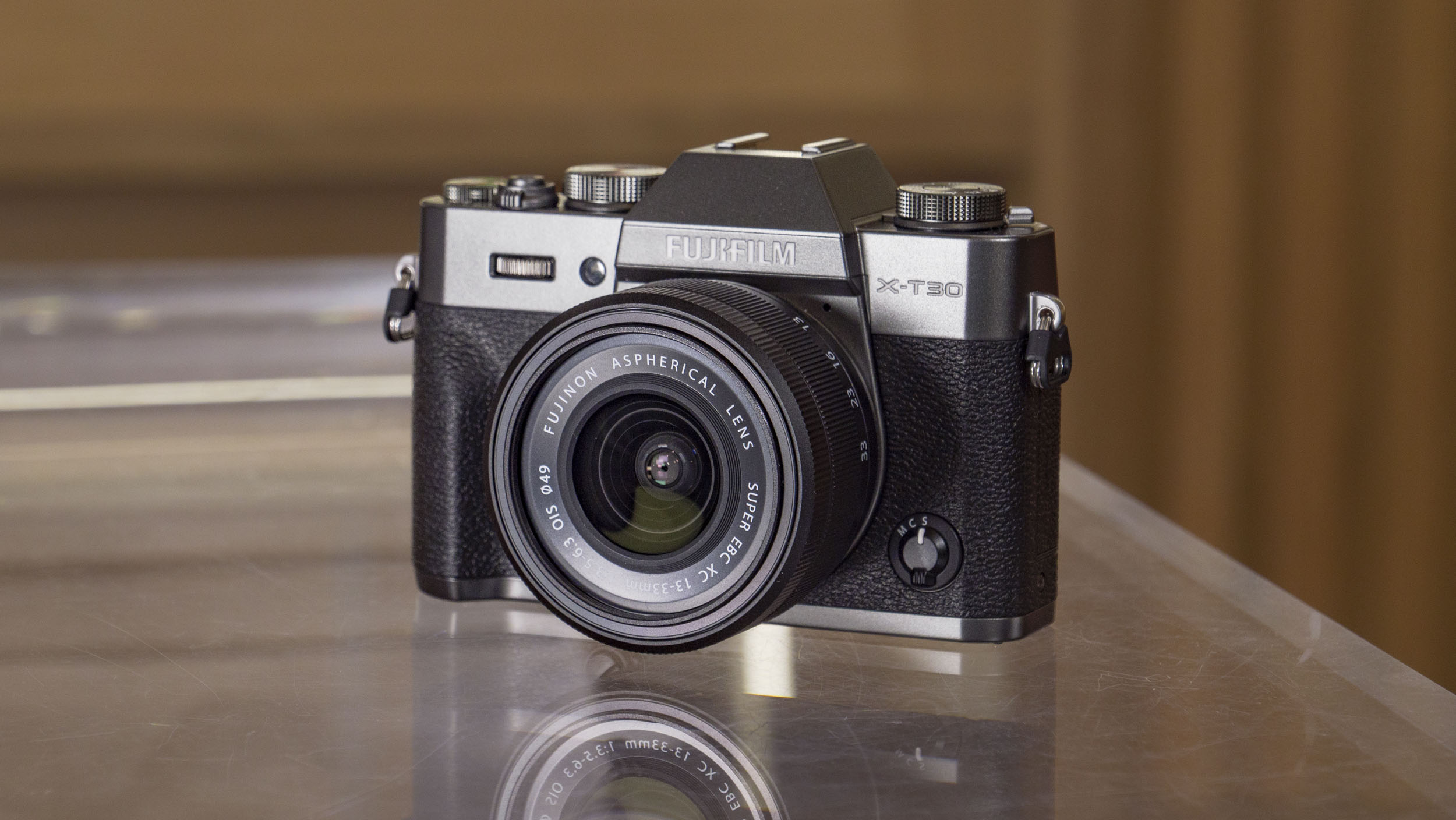
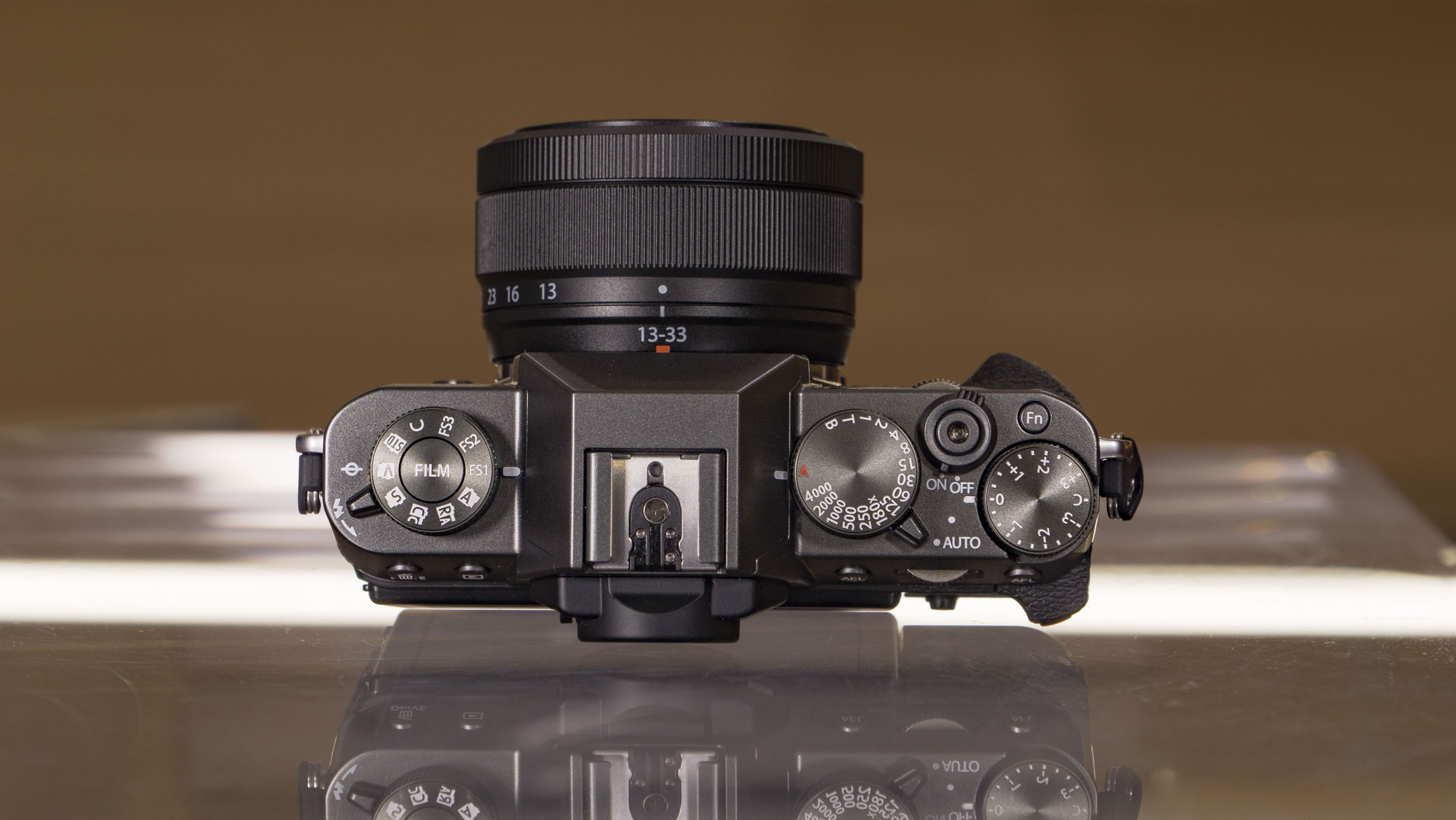
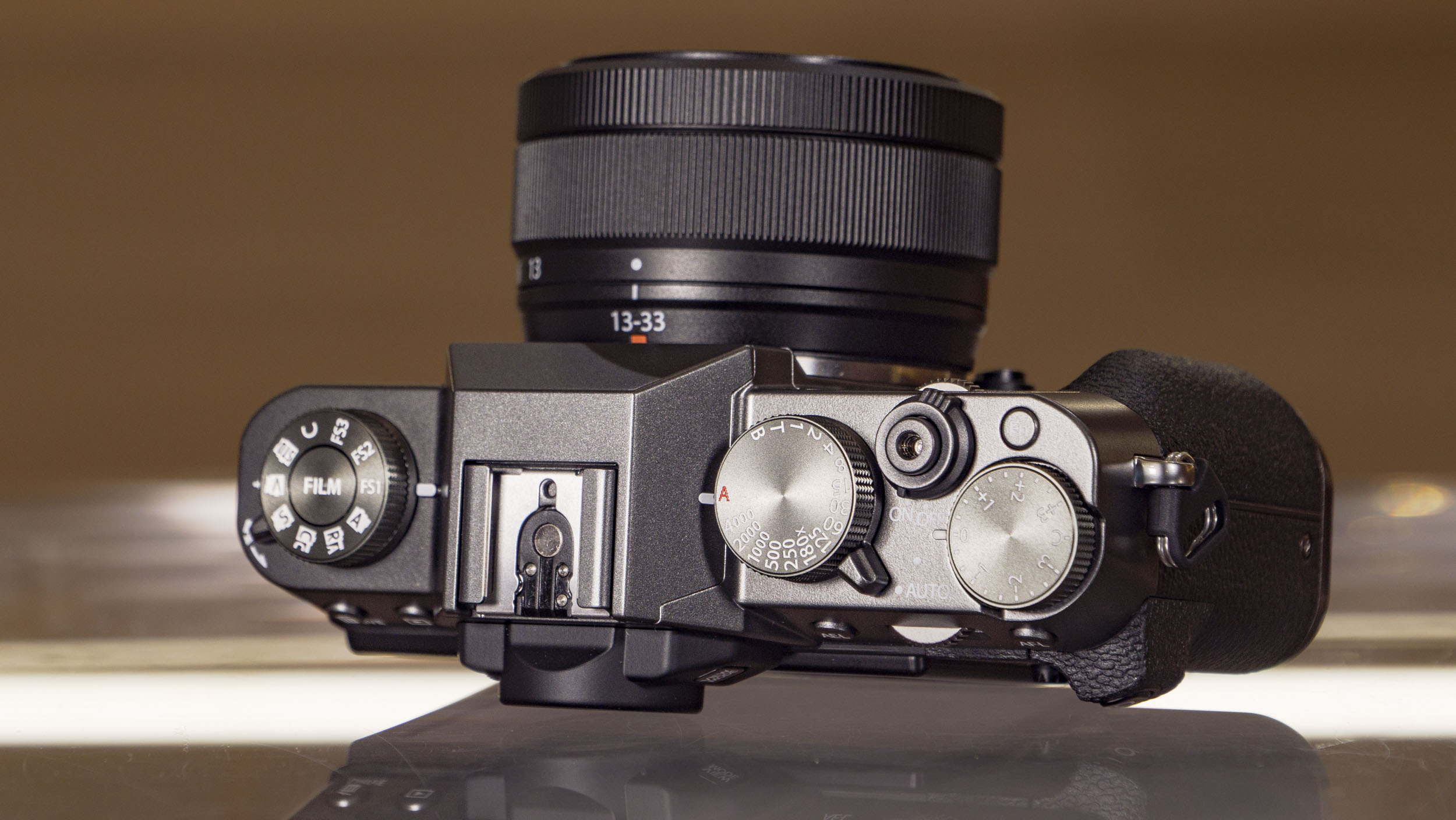
Going on appearances alone, very little has changed. There's now a film simulation dial in place of a shooting mode dial, much like on other recent Fujifilm cameras including the X-T50, with all 20 simulations available, and the ability to add film recipe shortcuts.
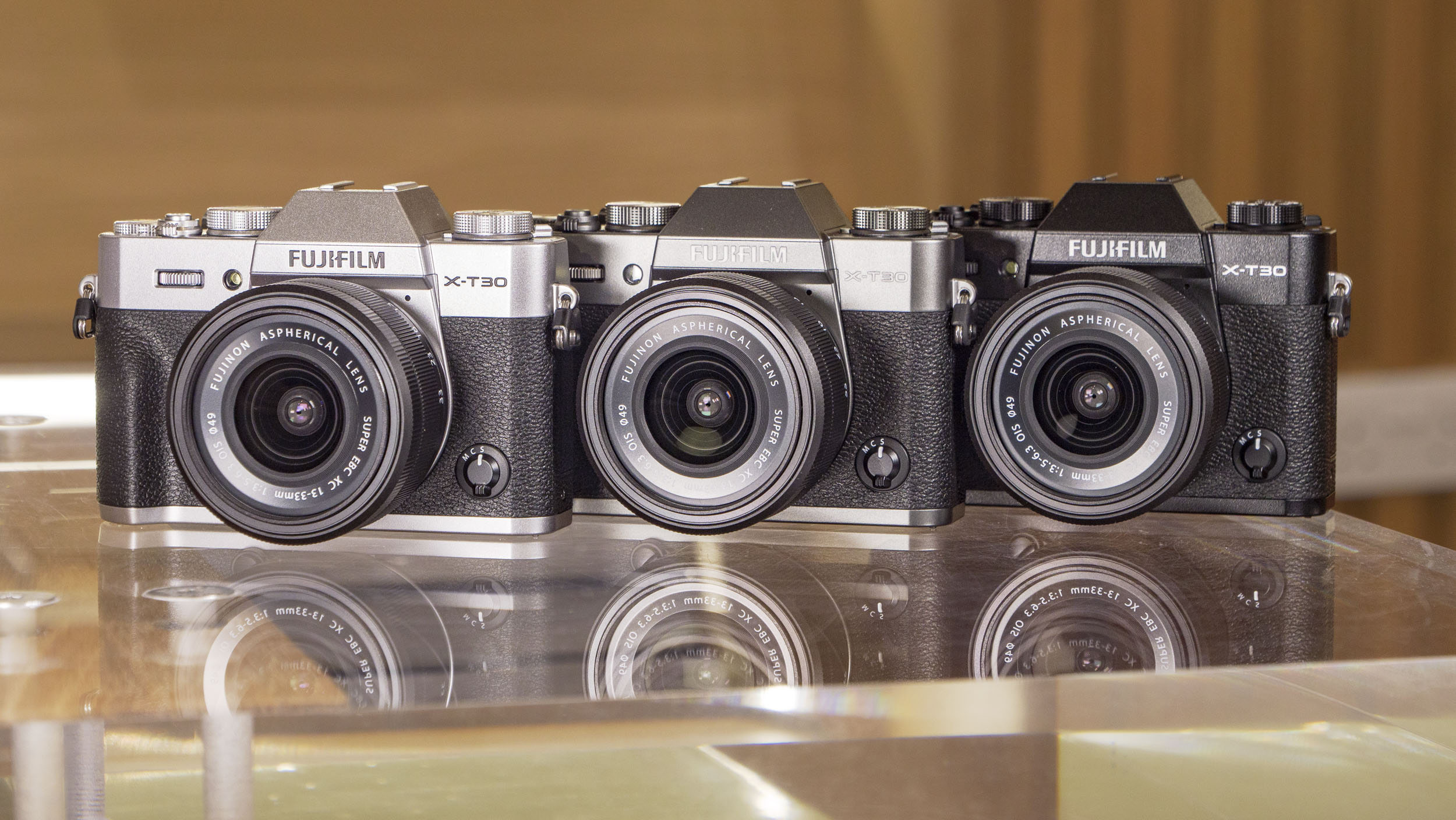
Otherwise, the size, weight, profile and control layout are pretty much identical to the X-T30 II – this is a really small camera and lens combo that easily slips into a jacket pocket.
Headline features include the same 26MP sensor and current fifth-generation processor combo as used in the X-M5 and X-S20. This means the X-30 III sits below the pricer X-T50, which uses the latest 40MP stabilized sensor.
It has more in common with the slightly pricier X-S20, which with its in-body image stabilization, feels like a better pick. Otherwise, the specs are almost identical to those of the X-M5, which, with its viewfinder-less video-first design, costs less.
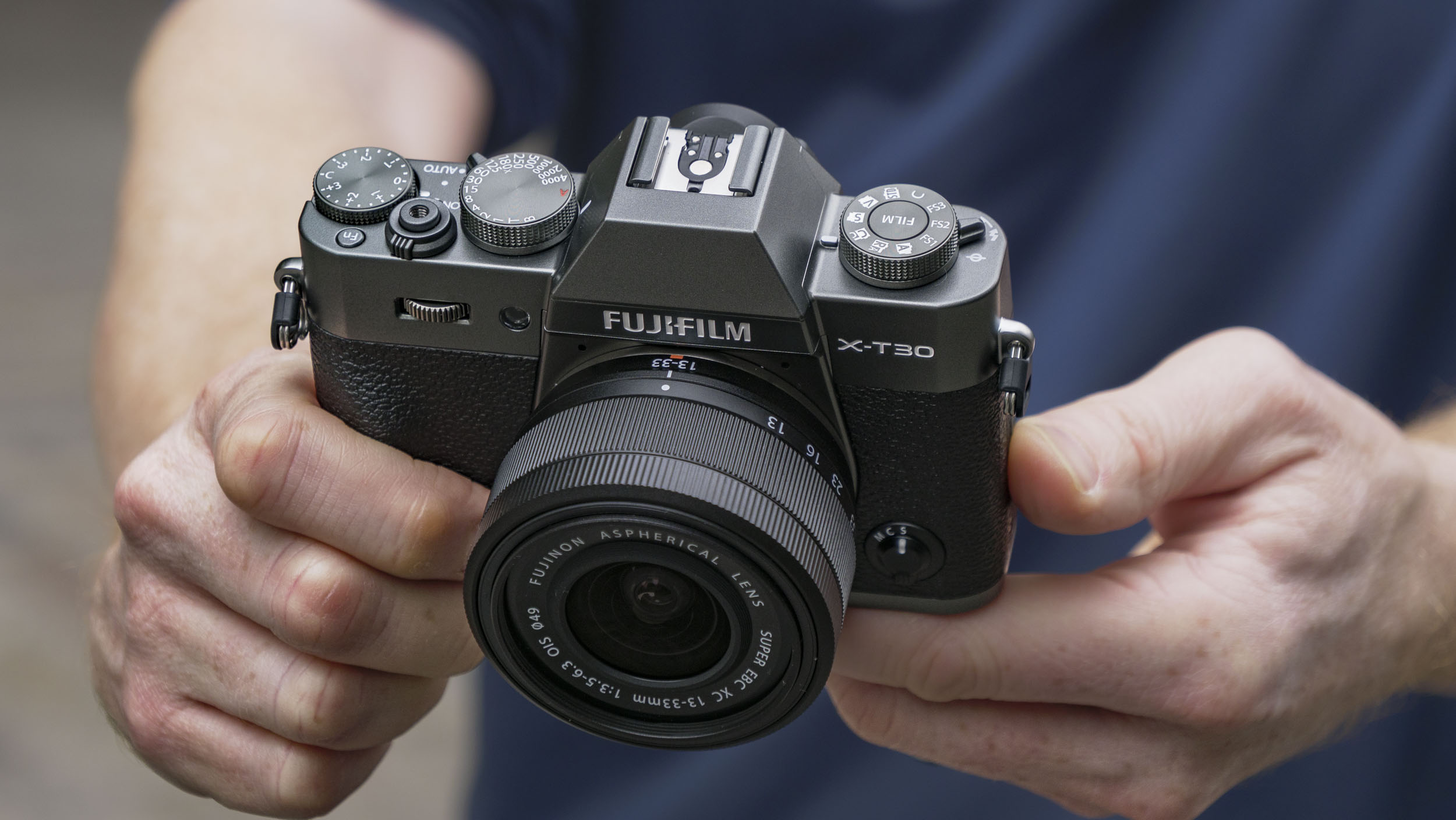
Despite its photography-friendly design, which also factors a built-in flash, the X-T30 III does in fact have the same video features as the compact X-M5, including 6K video with 10-bit color depth, 4K 60fps video and a vertical 9:16 short movie mode for social.
Personally, I think Fujifilm’s X-series range is getting a little crowded now, and would have liked to have seen the X-T30 III priced around 10% lower to help it to truly stand out for beginners.
However, it's still a compelling retro package – $1,150 / £1,000 / AU$1,950 for an attractive portable camera and lens with sharp 26MP stills and impressive 6K video is pretty respectable.
Fujifilm X-T30 III: price and release date
- Costs $999 / £829 / AU$1,679 body-only, or $1,149 / £999 / $1,949 with the 13-33mm lens
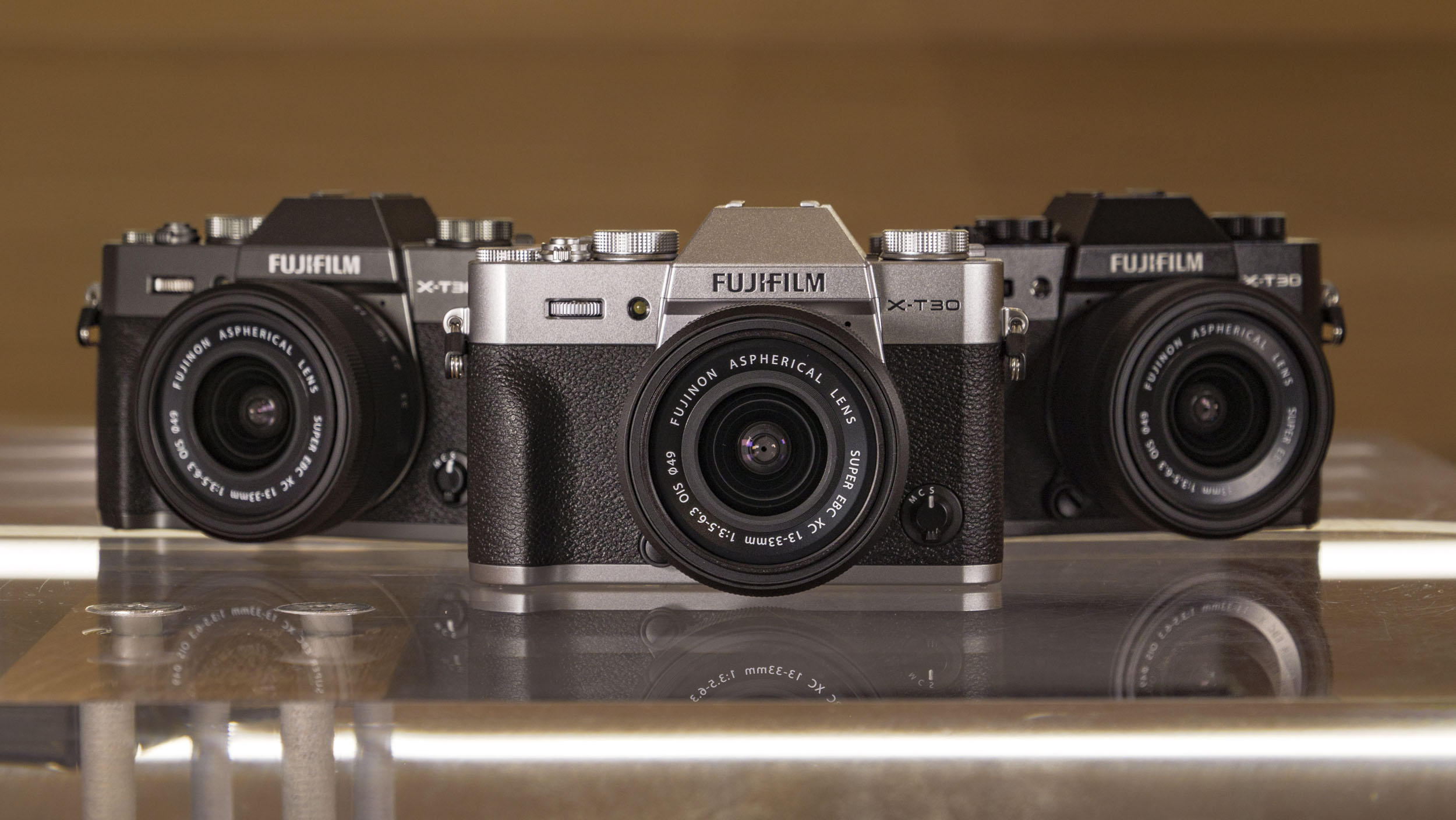
- Available in silver, black and charcoal
- Sales started on November 20, 2025
Designed for beginners, the X-T30 III was available from November 20 in silver, black and charcoal options, for a body-only price of $999 / £829 / AU$1,679, or with the new 13-33mm lens it costs $1,149 / £999 / $1,949.
The X-M5 remains the lowest-priced model in Fujifilm's range of X-mount cameras; the X-S20 is a fraction more, while the X-T50 is more again. Considering its features, I would prefer that the X-T30 III was around 10% cheaper in order for it to be more competitive.
Fujifilm X-T30 III: specs
|
Video |
6K 30fps / 4K 60fps, 9:16 mode |
|
Photo |
26MP APS-C |
|
Lens mount |
Fujifilm X |
|
Autofocus |
Intelligent hybrid phase / contrast |
|
Cont shooting |
8fps (mechanical), 20fps (electronic), 30fps (electronic with 1.25x crop) |
|
Screen |
3-inch, 1.62m-dot tilt touchscreen |
|
Viewfinder |
2.36m-dot |
|
Weight |
13.3oz / 378g (incl battery and card) |
|
Battery |
NP-W126S (same type as in most of Fujifilm's current cameras), 425 shots |
Fujifilm X-T30 III: Design
- Weights just 378g, same dimensions as the X-T30 II
- Film simulation dial in place of a shooting mode dial
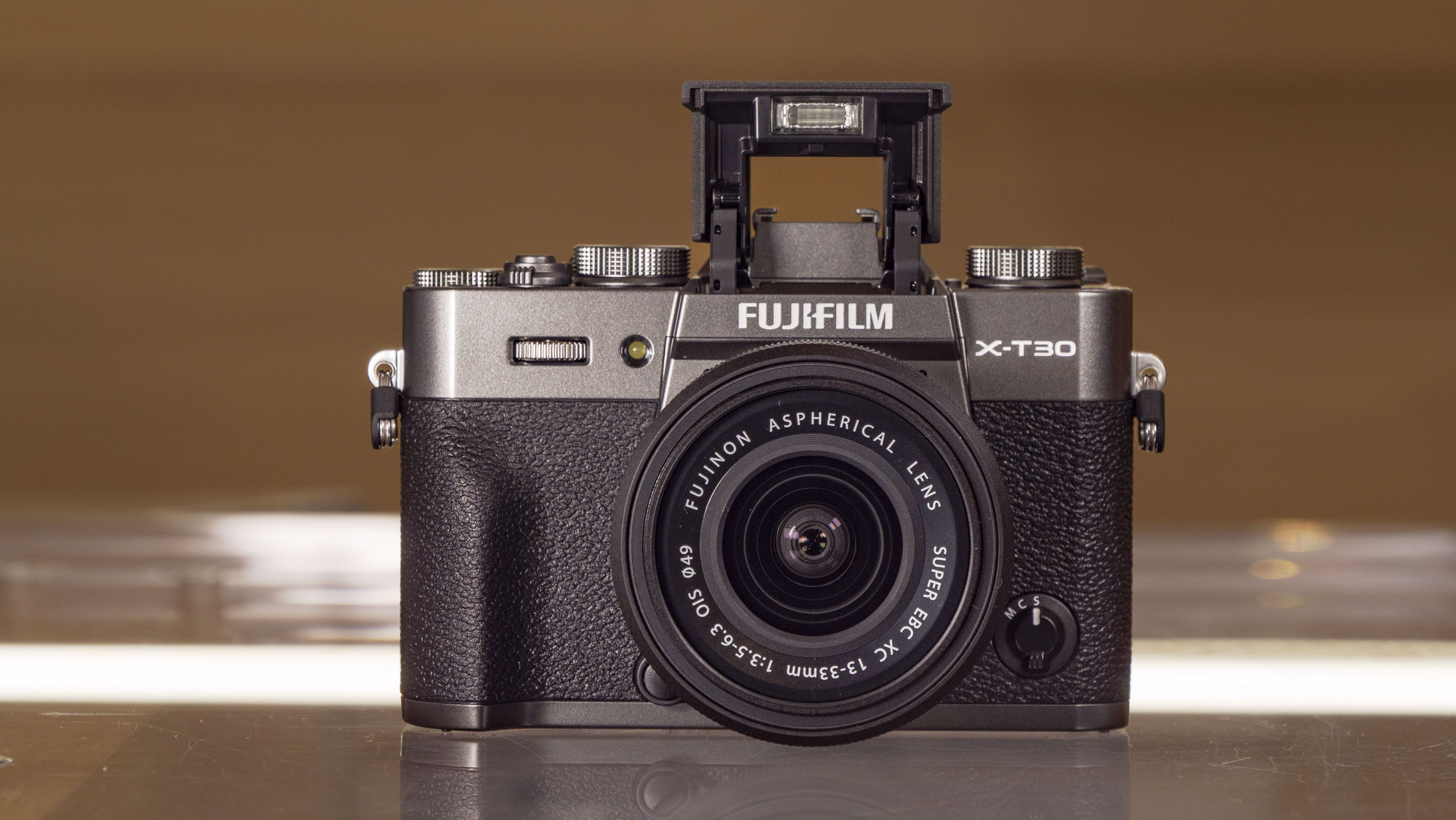
- Built-in EVF, flash and tilt touchscreen
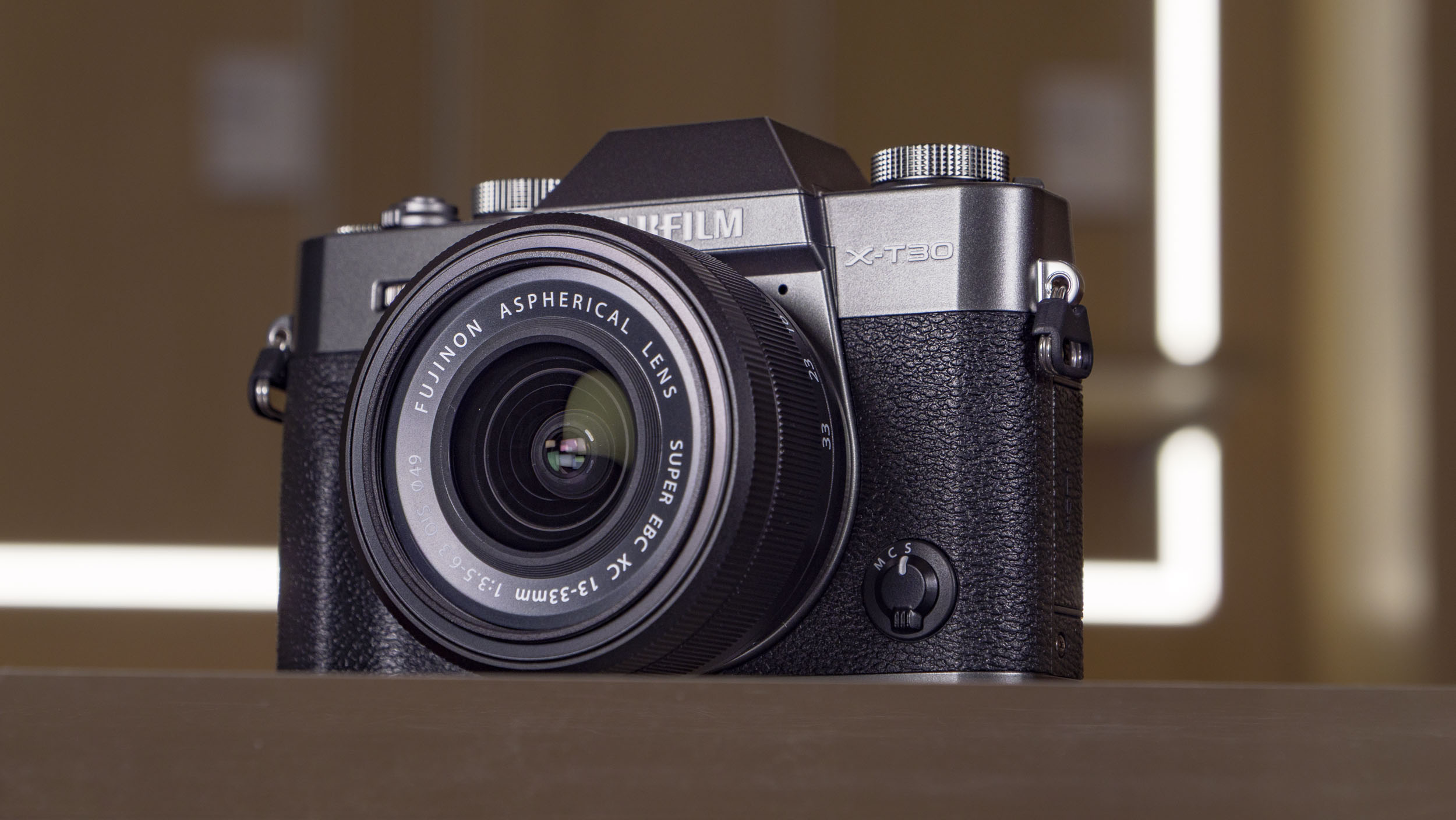
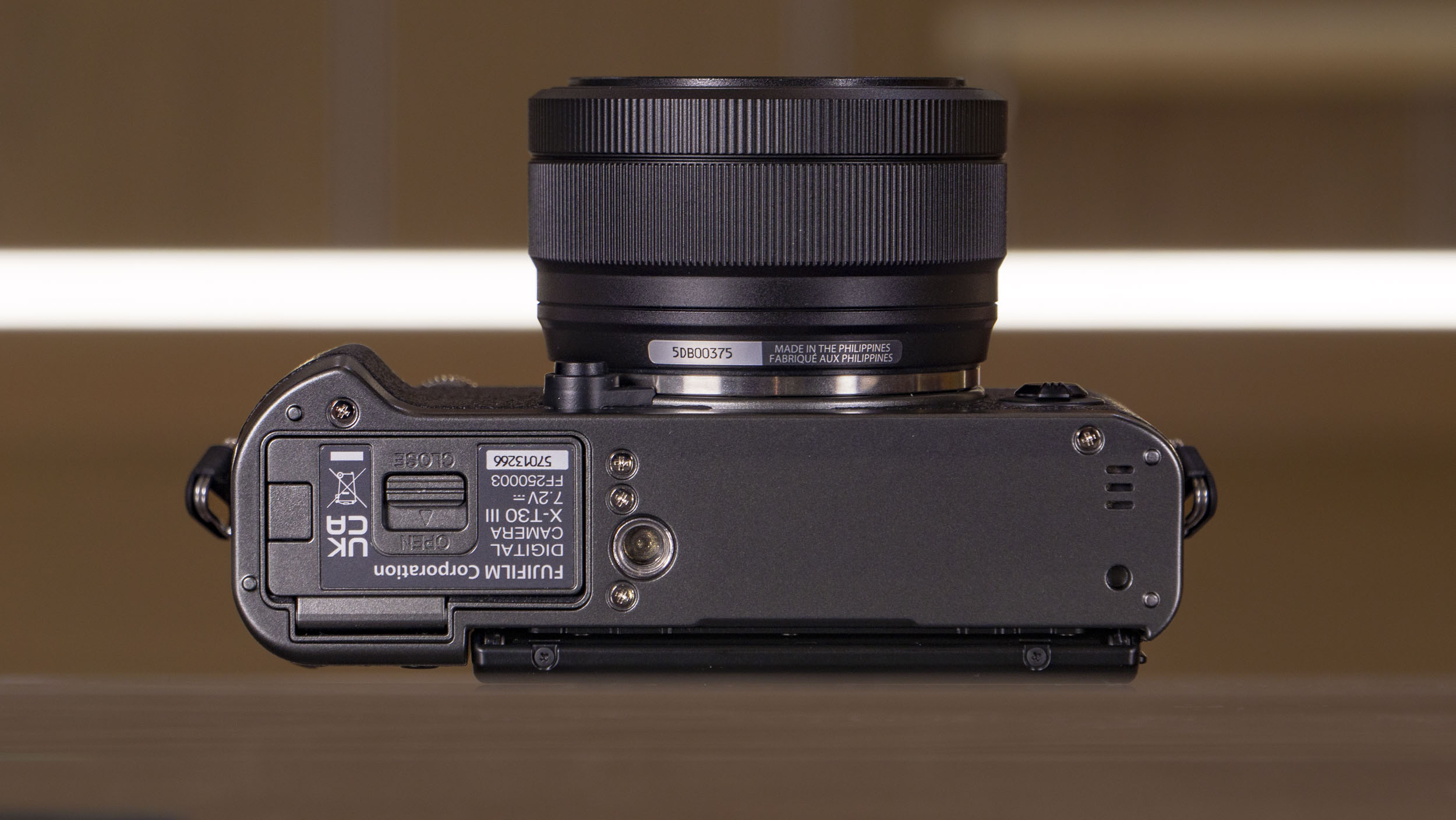
The X-T30 III is a tidy, compact retro package, especially with the new 13-33mm lens – the pair weigh less than most rival cameras without lens attached, and I easily slipped the combo into my jacket pocket when I wasn't using it. The camera is available in three colors and it certainly looks the part, especially in silver.
Just like the X-T30 II before it, the new model makes a great travel camera. The retractable design of the 13-33mm lens gives it almost pancake optic proportions, and shooting around the busy city streets of Rome, the setup drew very little attention. Conversely, when I switched to its X-series sibling, the Fujifilm X-H2S, while not exactly a massive camera, got glances from passersby, especially at the major landmarks, where candid street photography can seem almost impossible. Even the X-T5 seems heavyweight by comparison.
Happily, this doesn’t have a negative impact on the handling experience, and I was still able to reach all of the buttons and controls with my thumbs, while my index finger remained on the shutter release. If you’ve used previous iterations of the camera, or indeed other enthusiast-level Fujifilm X-Series cameras, you should fall right into step with the layout.
The pronounced thumb rest gives a decent grip, and I happily (and securely) held the camera with one hand in both horizontal and vertical formats. I was concerned about the balance I might find when using the wide-aperture primes I’d packed to accompany me on my shoot, namely the Fujinon XF 56mm F1.2 R WR, which is on the bulky side. I needn’t have worried though, as even after several long days of shooting, the setup didn’t seem unduly imbalanced.
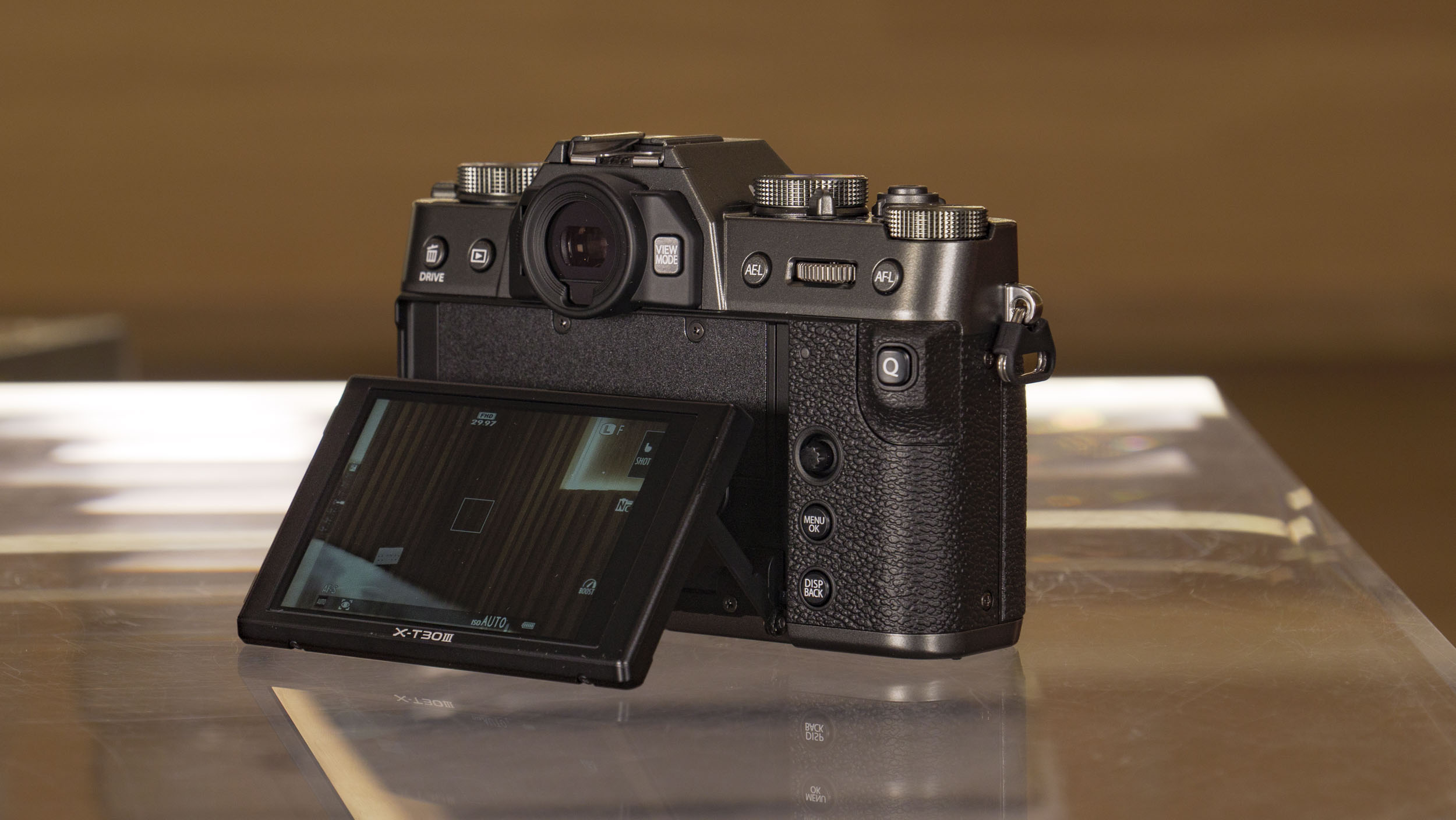
There's a quick menu button conveniently placed on that thumb grip, but all too often I found myself pressing it unintentionally. It's not a big drama as you just have to exit the menu, but it's something to be aware of.
One element I’m happy Fujifilm retained from previous models is the pressable control wheels. It’s a smart and sensible application of dual control – you can scroll through a menu and then select the desired item by pressing the wheel. It’s actually something I’ve wished more manufacturers would introduce as I’ve always enjoyed this underrated character of the X-series.
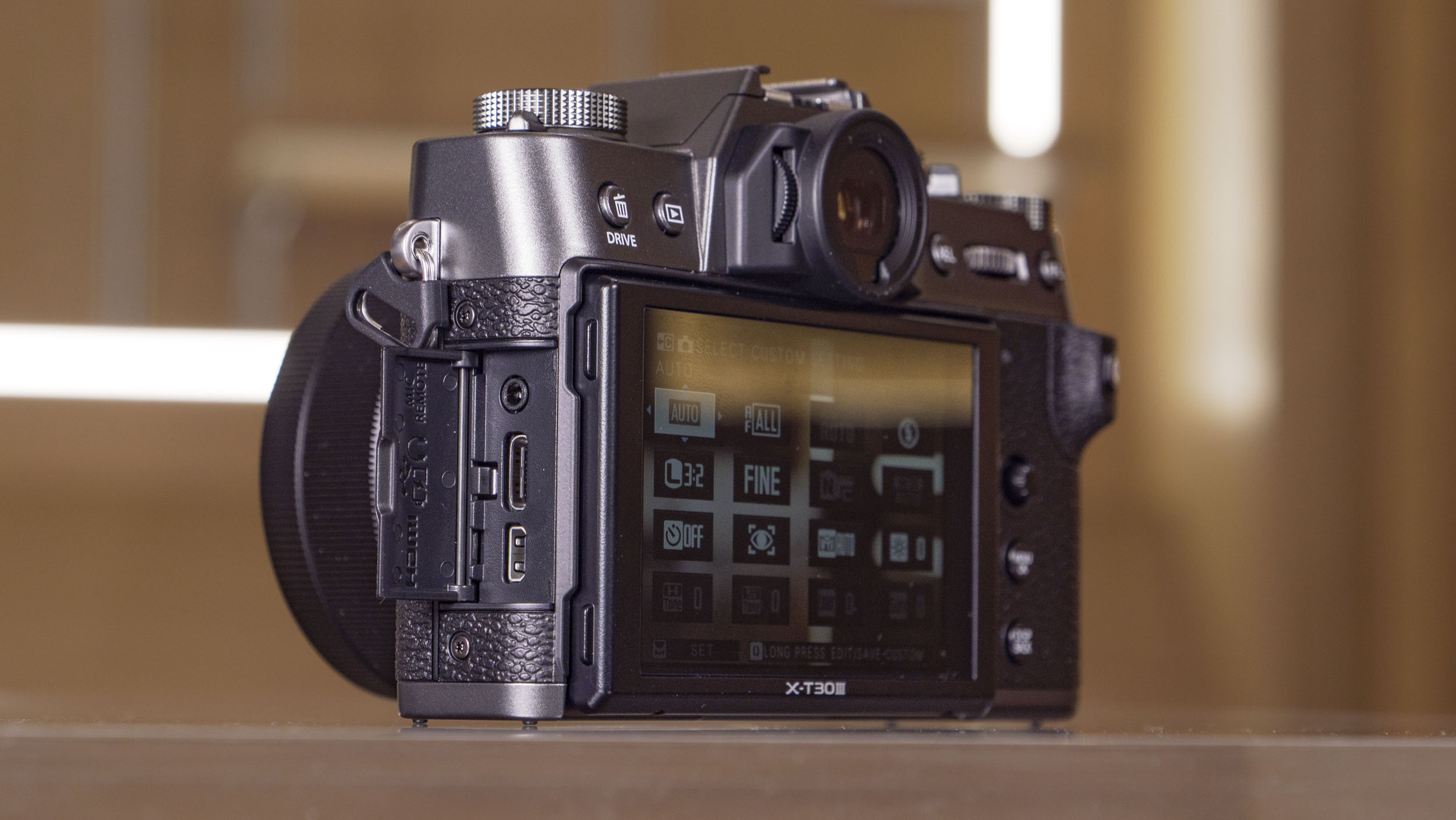
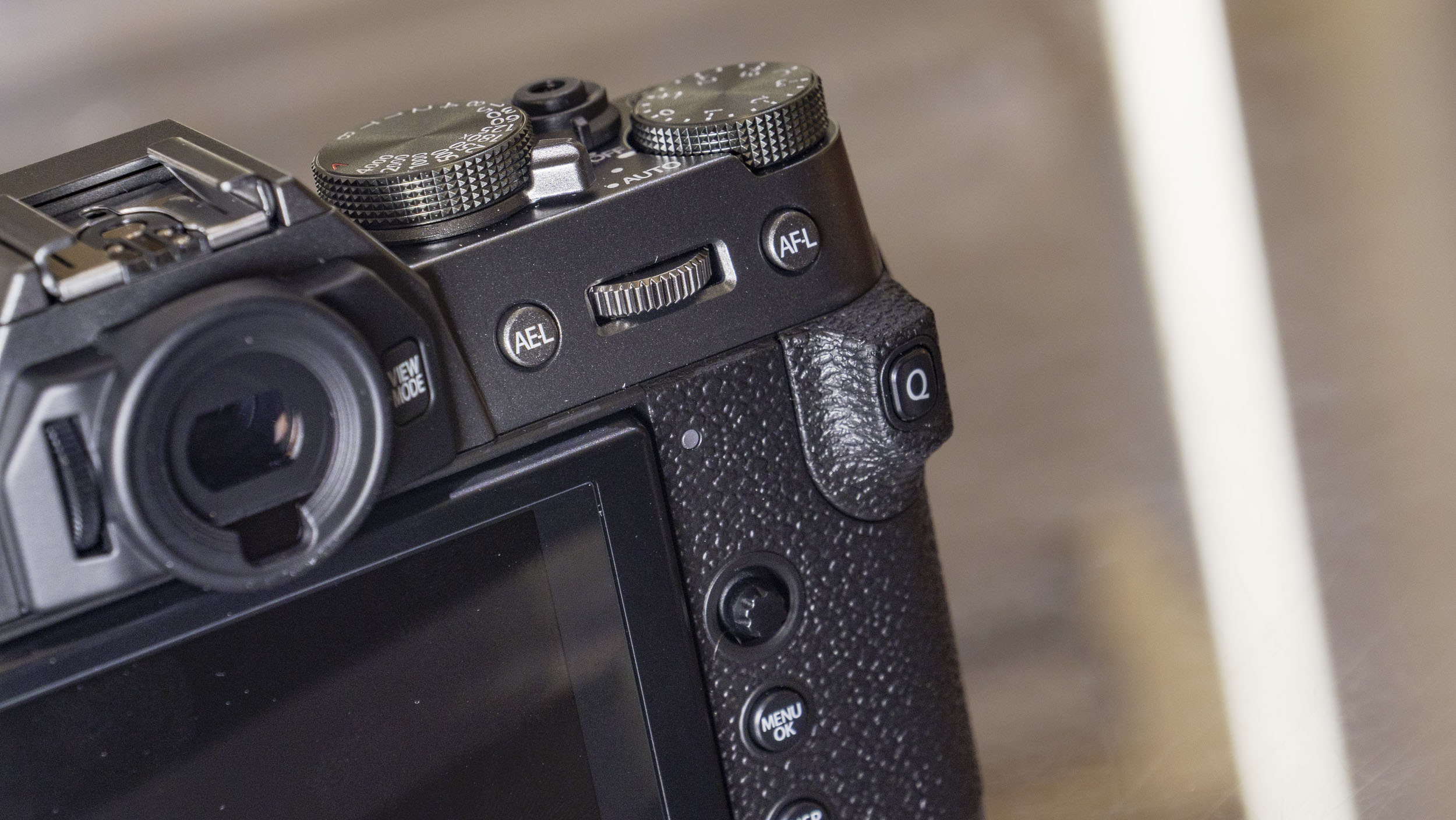
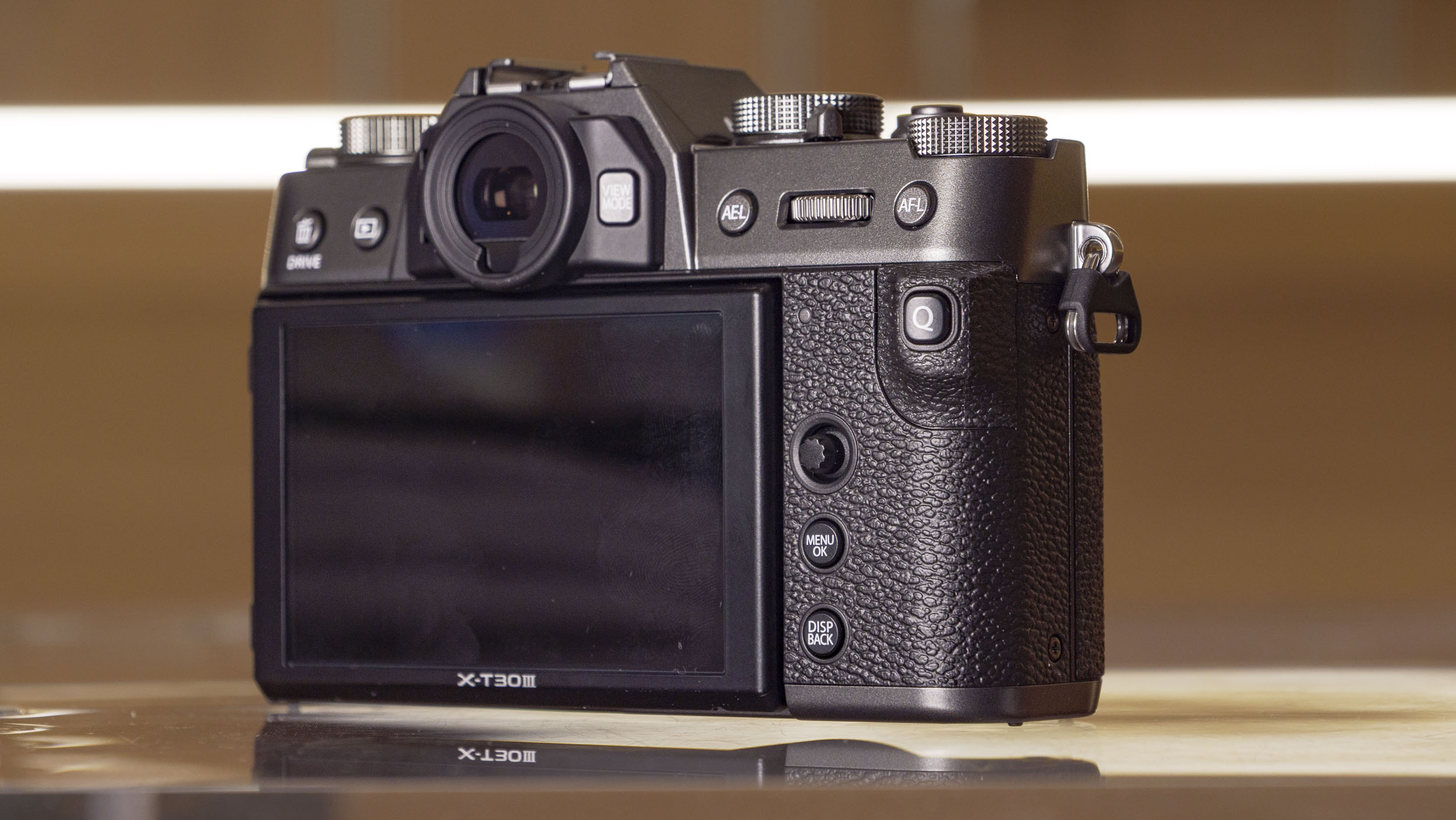
The rear touchscreen is tilt only and not fully vari-angle, which means you won't be able to easily shoot selfies.
I'm personally fine with the tilt design, which is handy for waist-level viewing. Also, the positioning of the USB-C, micro HDMI and mic ports on the side would obstruct a flip around screen, when those ports are in use.
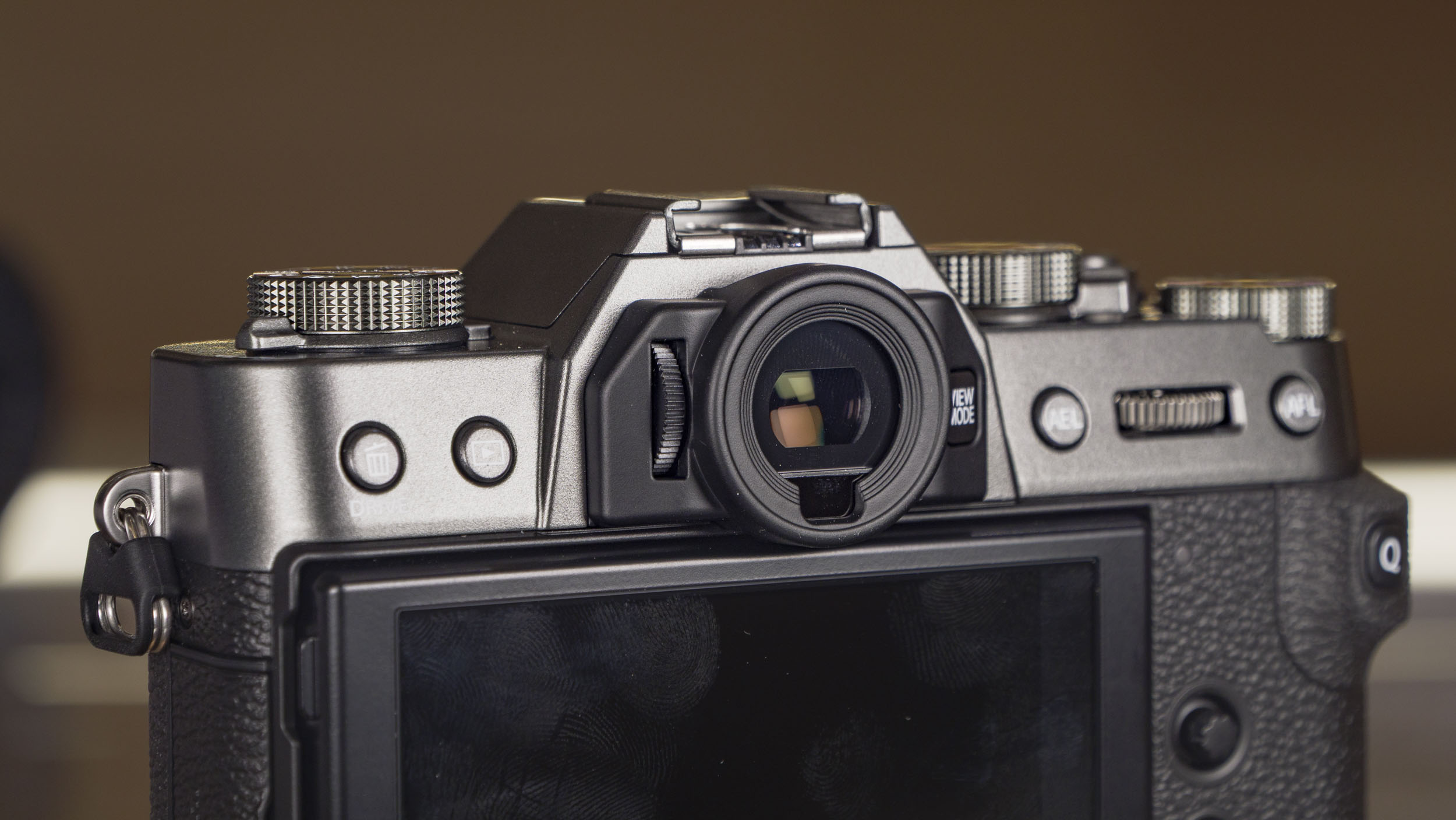
The 2.36m-dot EVF is clear enough for such a small camera – I regularly used it rather than the screen, and it is particularly helpful on bright sunny days for photography.
Now, let’s talk about that new Film Simulation dial, which brings the camera in line with Fujifilm’s latest generation of cameras, including the X-T50. It replaces the mode dial which occupied the same space at the left side of the top plate, and now offers direct access to Fuji’s range of film simulations. While I can see the appeal if you regularly like to experiment with color profiles, and bearing in mind that film styles are something of a speciality of Fujfilm cameras, it’s more of a downgrade for advanced photographers.
Personally, I switch exposure mode more often than color profiles, so I'm a bigger fan of the shooting mode dial which is sacrificed. Since I also shoot RAW all of the time, anything I might select using this dial is rendered pointless in the captured image unless I reapply the style in Lightroom – an extra step reintroduced, only later in the production process.
The styles are lovely, and I wonder if Fujifilm created a physical control for them in an effort to make them feel like more of a genuine photographic tool than a gimmick, but I fear it may have had the inverse effect. The dial now becomes the defining feature of the X-T30 III.
There is also a secondary impact on the practical use of the camera body. Inexplicably, once I got started using the X-T30 III, I couldn’t seem to work out how to place it in aperture priority mode, which is my default exposure setting. I test a lot of cameras, so this was an unsettling predicament.
I always like to think I’ve done some reasonable homework on a camera before setting off on a trip with it, but here I was in the darkened streets of the Italian capital at midnight, in the shadow of St Peter’s Basilica, unable to find Av mode. I can’t say that’s ever happened before, at least not since my first week of taking photos. Notably, this was never a problem with the X-T30, X-T30 II, nor any other Fujifilm camera. The addition of the film sim dial is my only culprit.

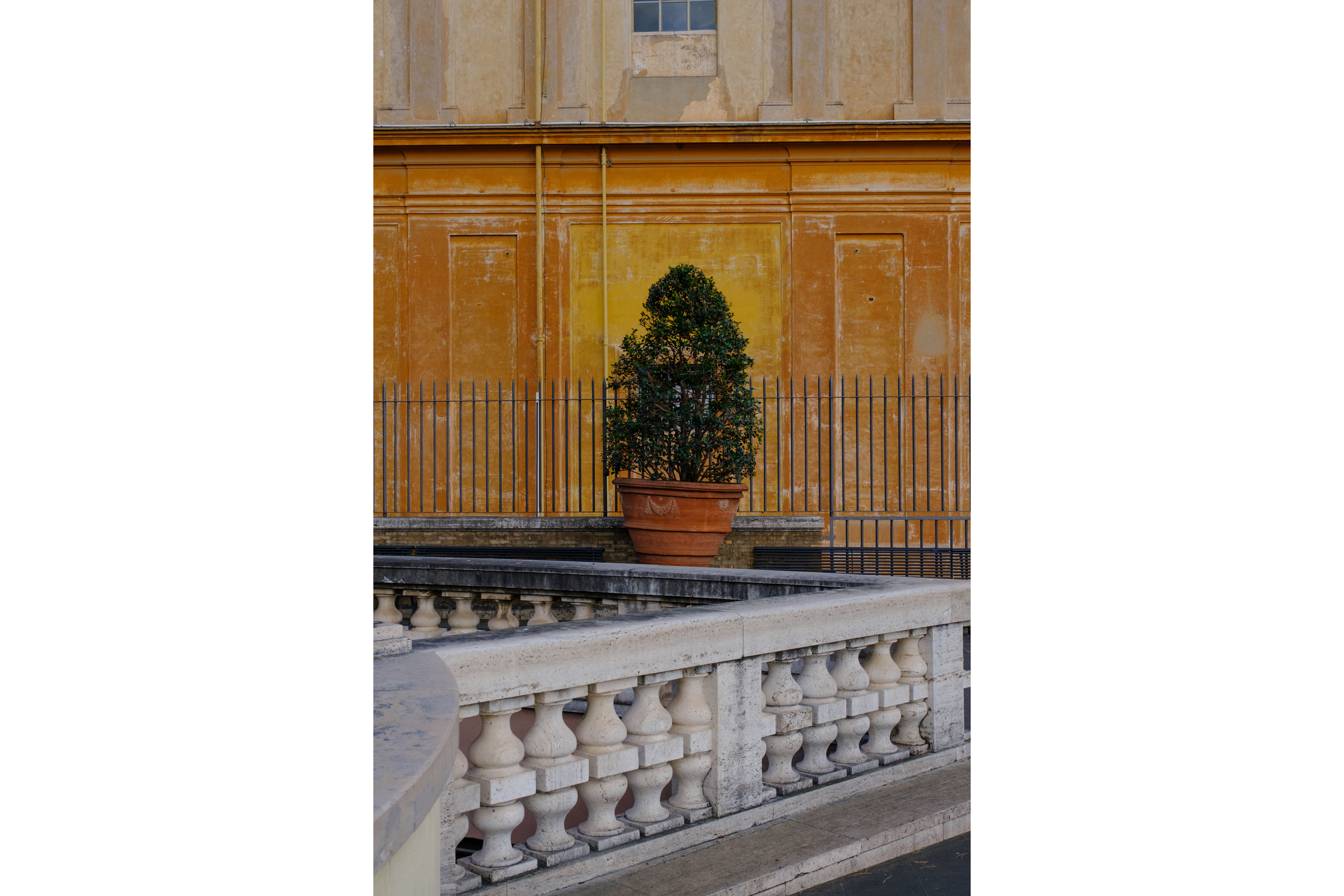
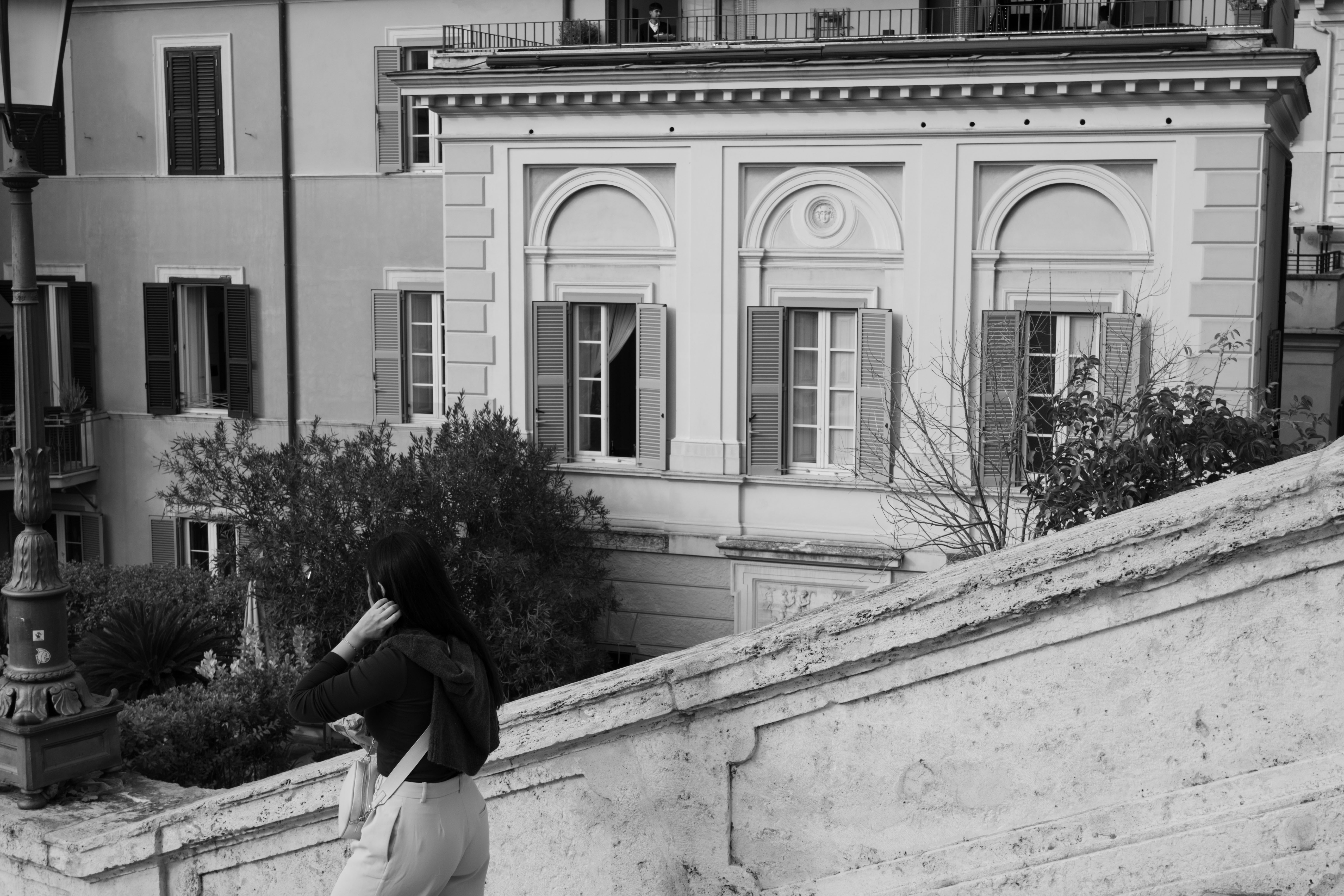
Until I got my bearings, I resorted to the new auto mode instead which selects shutter speed and aperture based on the scene. The X-T30 III certainly feels designed for beginners.
There's a built-in flash, one of only three current beginner models with such a feature. The GN7-rated (ISO 200) flash is handy to have for sure, especially at parties. You only tend to get a built-in flash in beginner cameras which aren't weather sealed, like the X-T30 III, because they usually compromise weather sealing.
Speaking of which, the lightweight design does come with a few compromises. The build quality is a little plasticky, especially coming from a higher-end body like the X-T5. It didn’t especially bother me, considering how much I appreciated the camera’s low weight, but it isn’t a model with which I’d like to find myself stranded outside in a rainstorm.
Fujifilm X-T30 III: Performance
- New processor delivers 10% better battery life
- New Instax mode for instant photography fans
- Digital stabilization only
Packing Fujifilm's latest processor, the X-T30 III is a snappier camera than the X-T30 II. For example, 8fps (mechanical) and 20fps (electronic) burst shooting are sustained for 2x longer, for up to 173 JPEGs. That max speed can be upped to 30fps (electronic) with a 1.25x crop.
I didn’t count the individual frames, but even in RAW mode, the camera felt snappy and punched above its weight with regard to speed. I was able to shoot extended bursts of images, or several sequences in close succession, without the X Processor 5 notably struggling to clear the buffer before I triggered the shutter again.
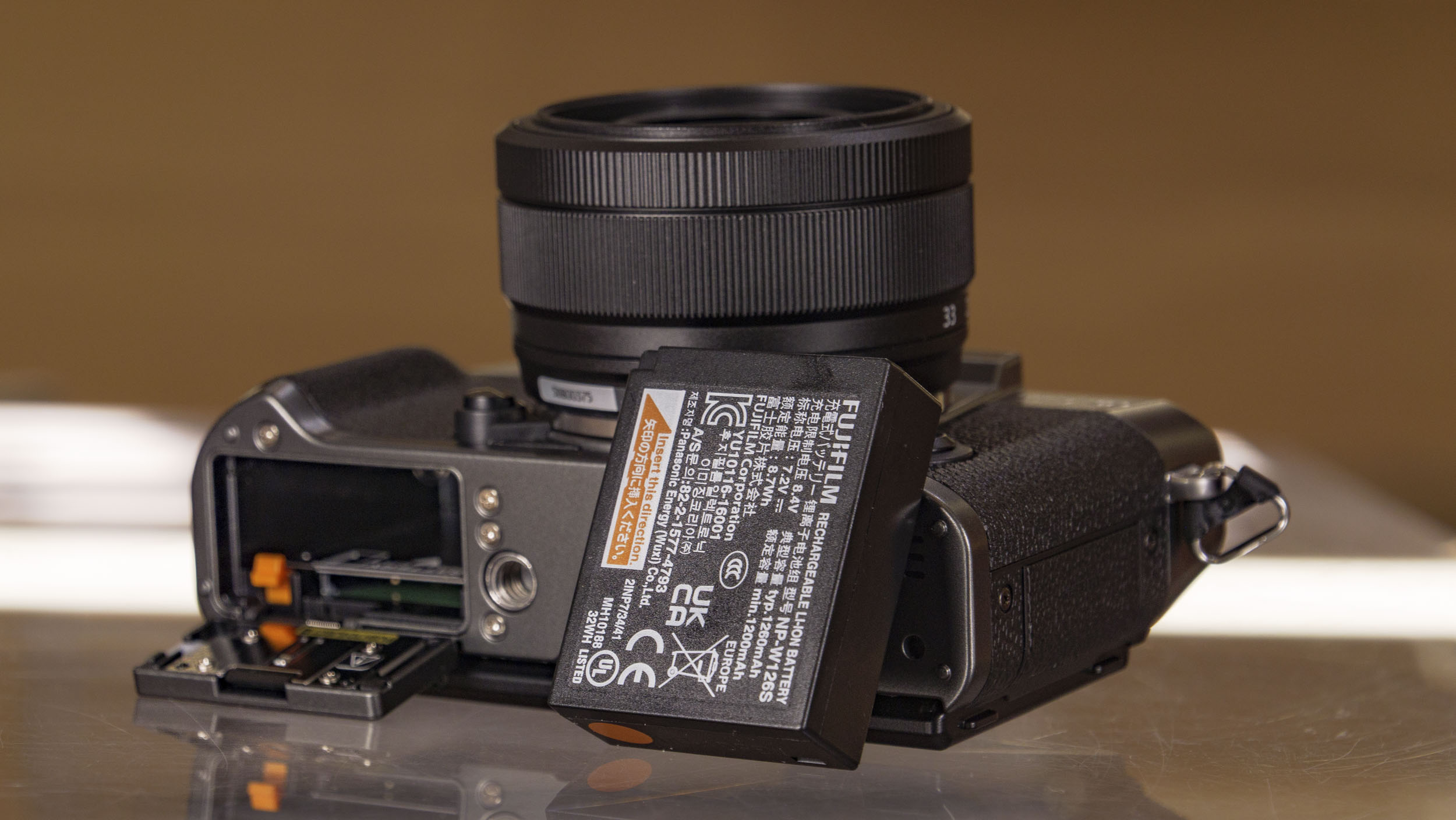
Fujifilm also says battery life is improved by 10% thanks to the new processor, for up to 425 shots, and across a four-day trip, the two NP-W126S battery packs I had with me were more than enough. Of course, in more extreme temperature conditions, or if I had been exclusively shooting video, it might be a different story. It’s certainly a respectable battery life for a camera at this level, though.
Autofocus receives a boost, too, with Fujifilm's latest subject detection on board, which in addition to people can track animals, birds, cars, insects and more. I was very impressed by the speed with which the camera could snap between close and distant subjects. It also wasn’t easily fooled by tourists and traffic moving between the lens and my intended focal point.
It clearly isn’t a match for the advanced Dual Pixel CMOS AF system found in Canon cameras like the EOS R5 Mark II or EOS R6 Mark III, or even the comparably priced EOS R10, but it’s perfect for everyday photographic needs.



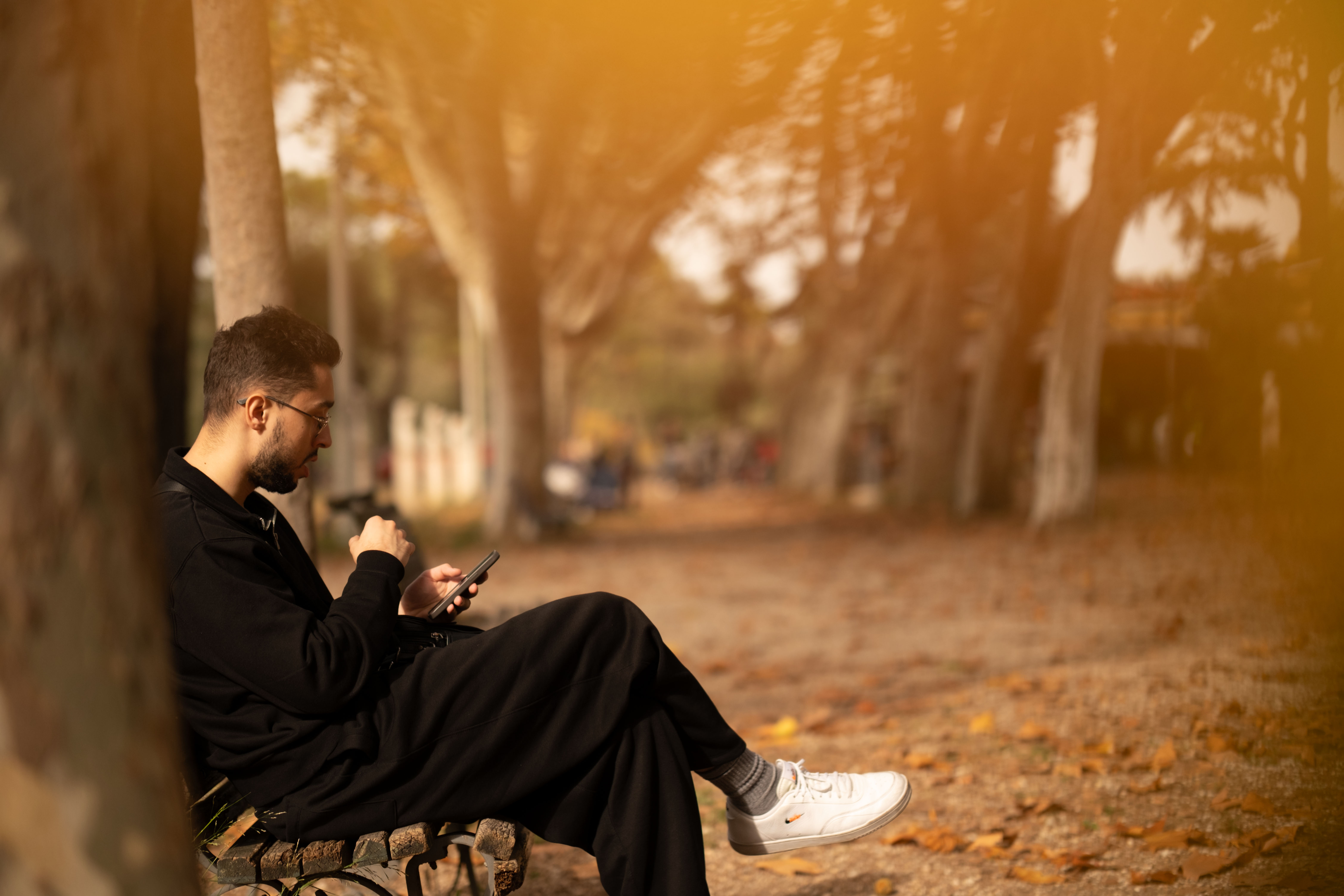
For me, the biggest sacrifice here versus a pricier model such as the X-T50, is in-body image stabilization (IBIS). There's digital image stabilization only, which is certainly better than nothing, but does somewhat limit the possibilities for smooth handheld video footage. The same goes for creative slow-shutter-speed photography.
Given the ultra-lightweight nature of the body, I did find getting sharp images at even moderate shutter speeds a challenge, and I always consider myself to have a steady hand. Perhaps I have been spoiled by seven and eight-stop IBIS systems, but I definitely missed it here. Given the limited aperture range of the kit lens, the optical IS within it struggled to have a meaningful effect once the sun dipped below the horizon.
Fujifilm X-T30 III: image quality
- 26MP stills and film simulations
- 6k 30fps, 4k up to 60p, and 9:16 short video mode
- 10-bit color depth for video
Ok, so pricier Fujifilm cameras such as the X-T50 and X-T5 boast Fujifilm's latest 40MP sensor for highly detailed photos, but the X-T30 III is no slouch, and still outshines other crop-sensor rivals for detail with its 26MP stills (and 14-bit 'RAF' format RAWs) – these rivals include the 20.9MP Nikon Z50 II, the 24MP Canon EOS R10 and the (older) 24MP Sony A6400.
It’s important not to get too caught up in pixel-counting and the X-T30 III is able to deliver exceptional levels of detail. Shooting in RAW, at base ISO and with a high-quality professional prime lens, the results are exemplary.
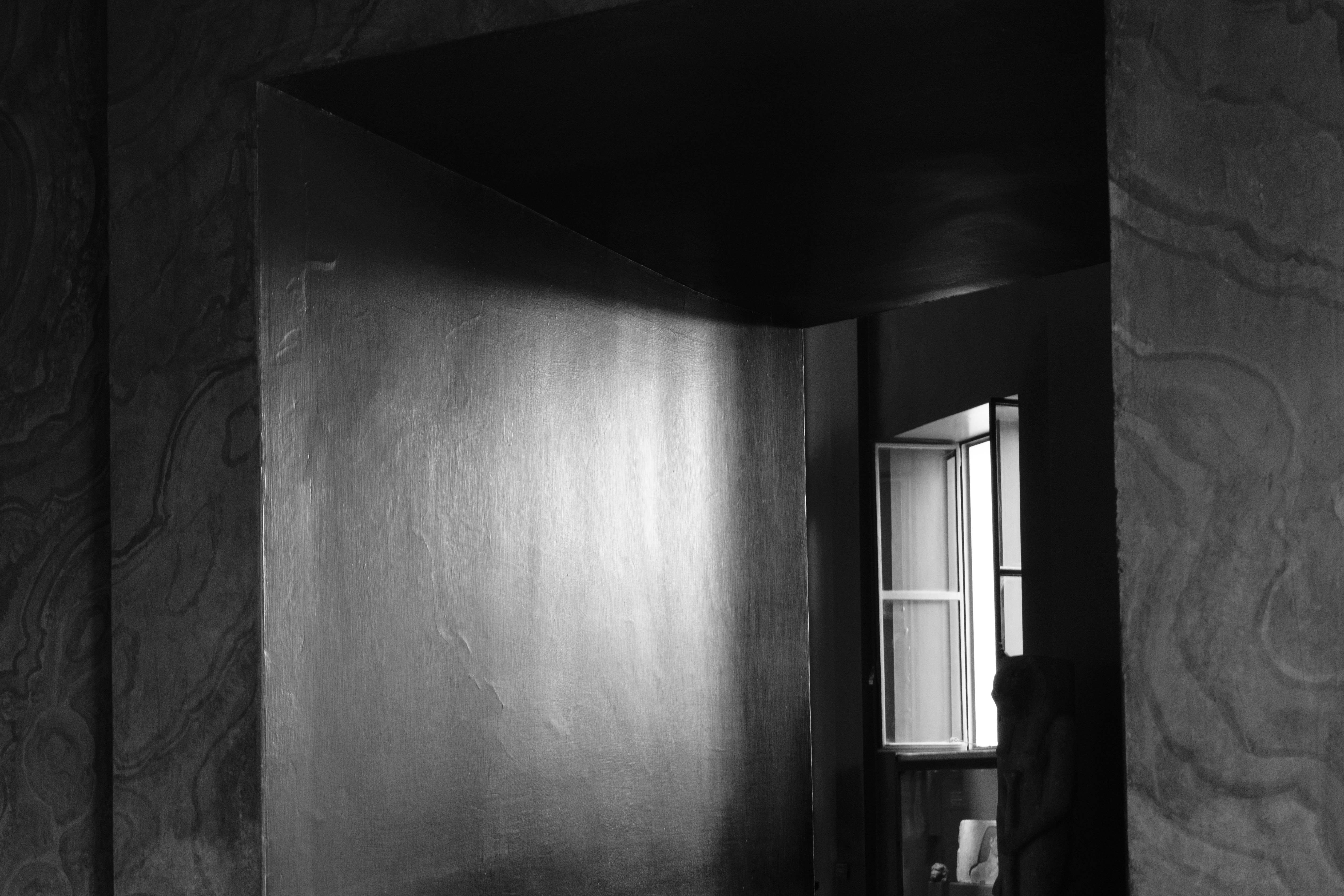
This is maintained up to around ISO800, where resolution starts to drop off. By around ISO6400, files have taken on a mushier appearance, and noise is most definitely present. It’s not as good a low-light performance as I’ve seen in some other high-end APS-C cameras, like the Nikon Z fc or Canon EOS R7, but given the target audience and price point, it’s not awful. In fact, up to around ISO4000 the fine grain is actually quite attractive, especially in black and white shots where it lends an almost filmic look.
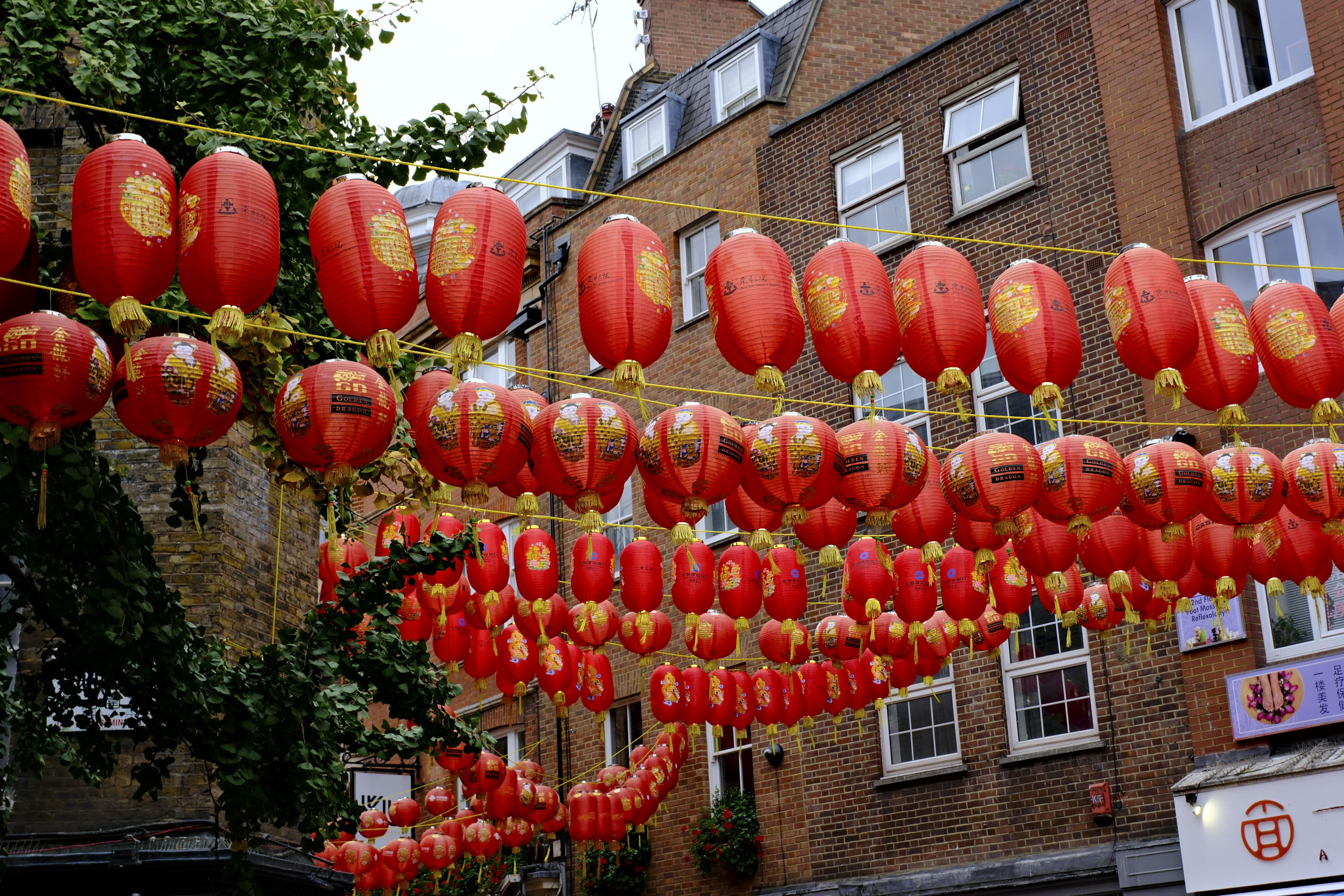

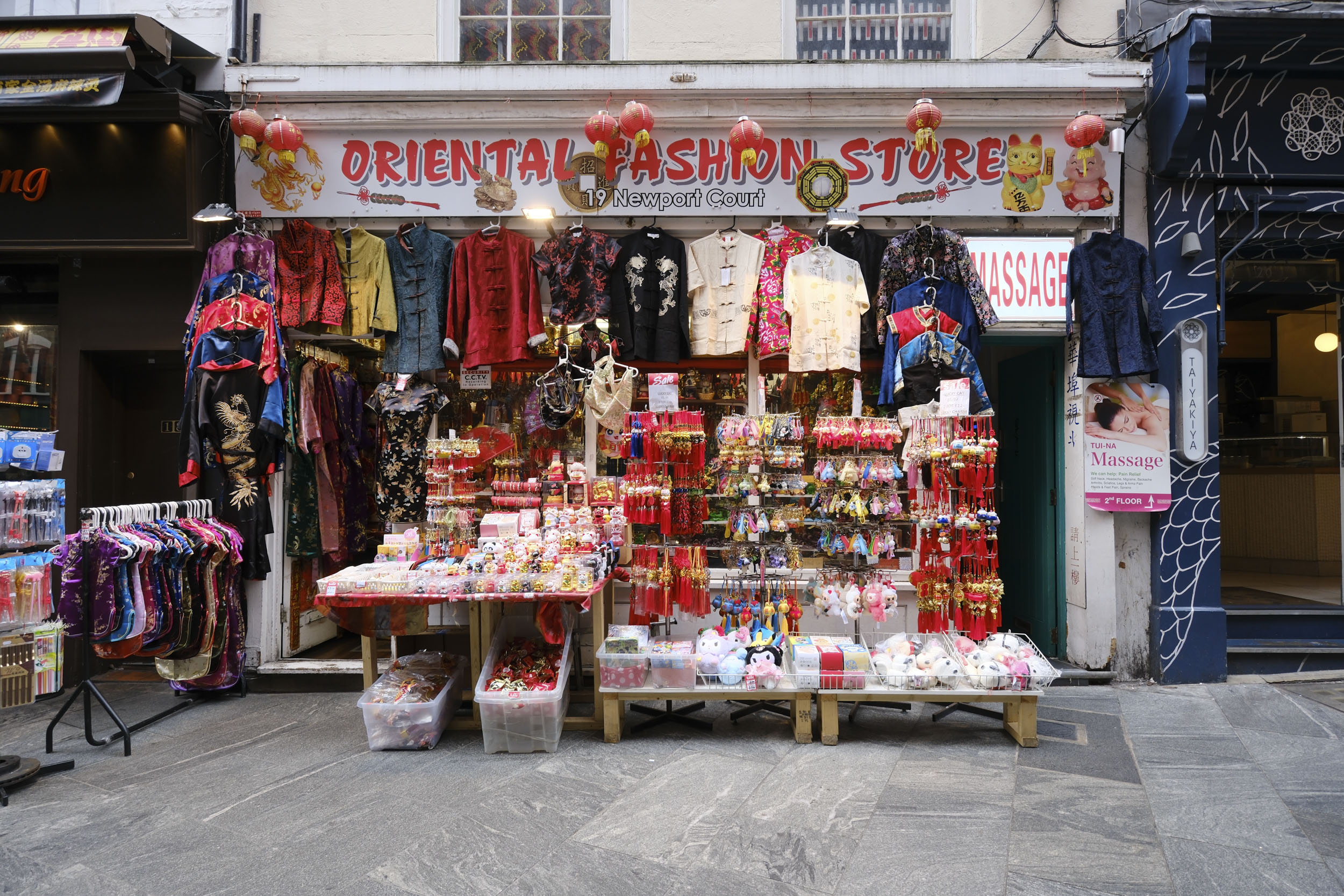
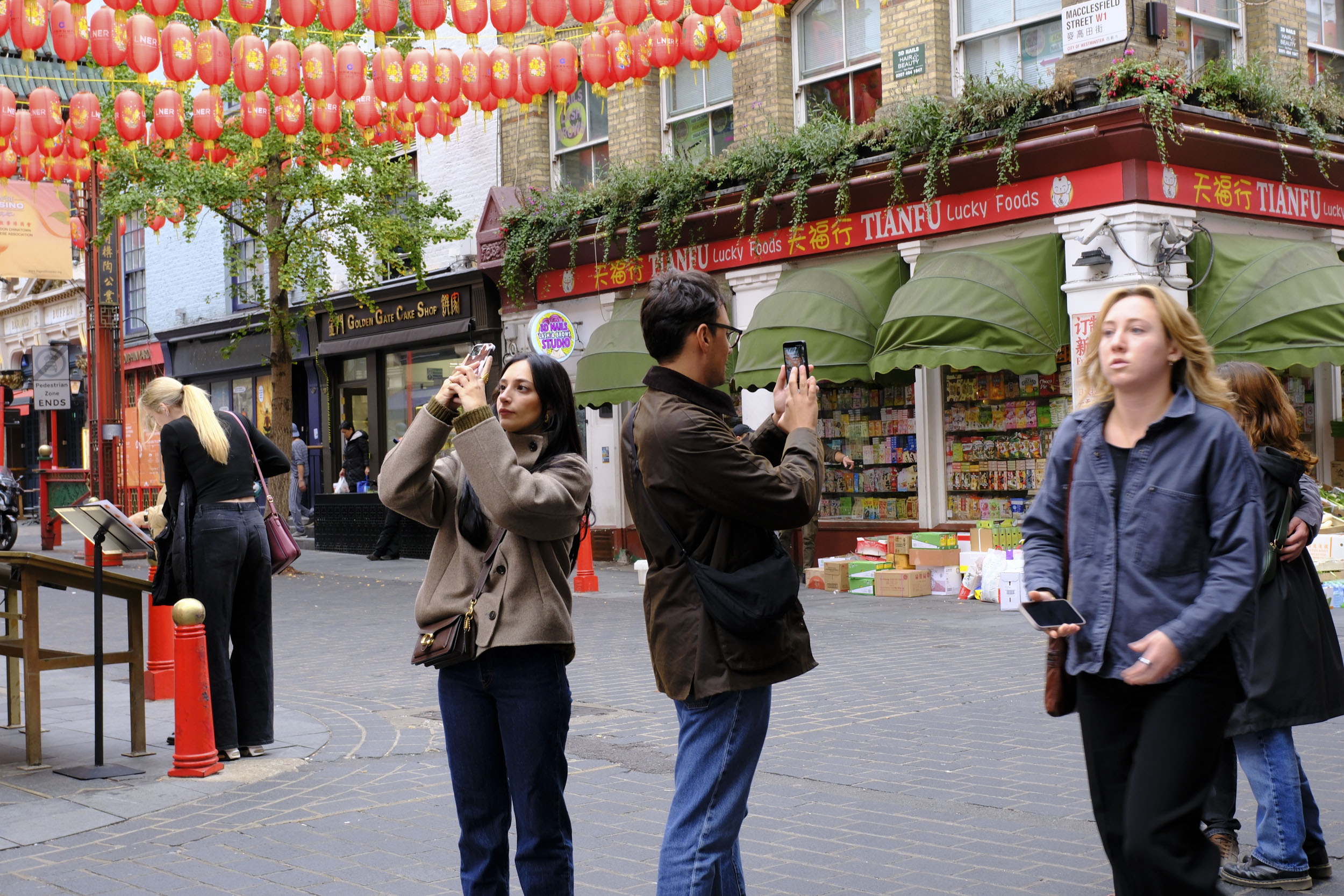
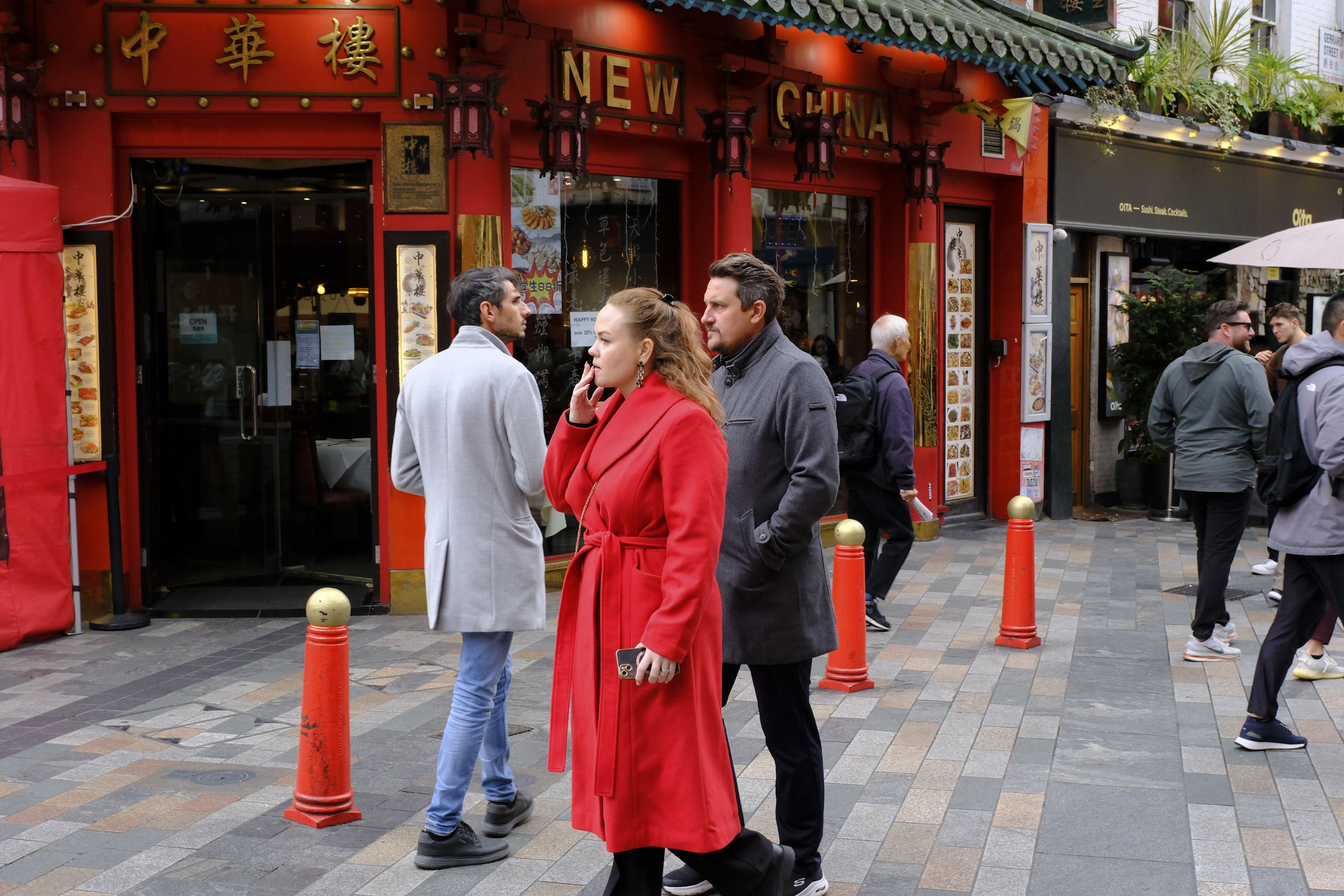
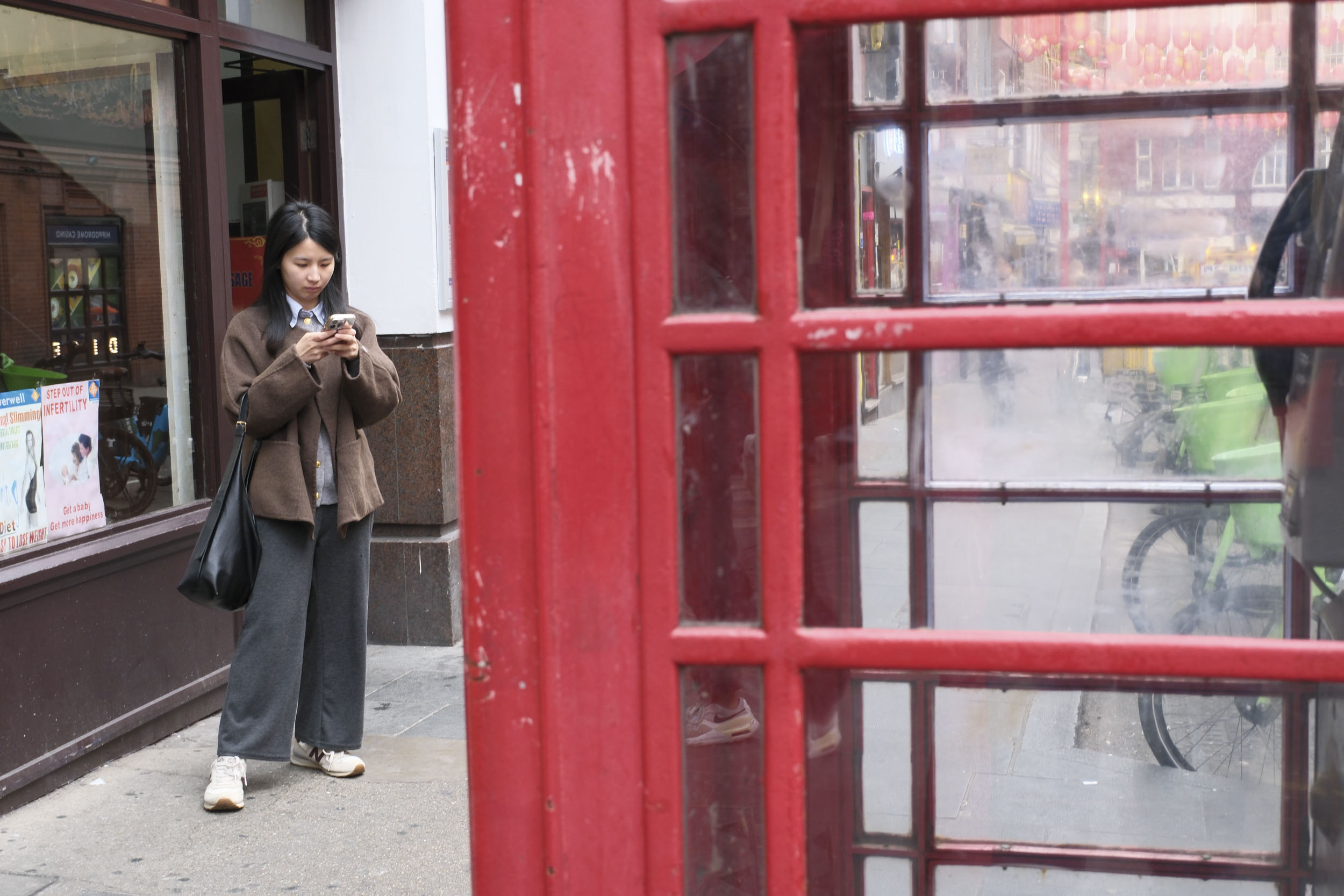
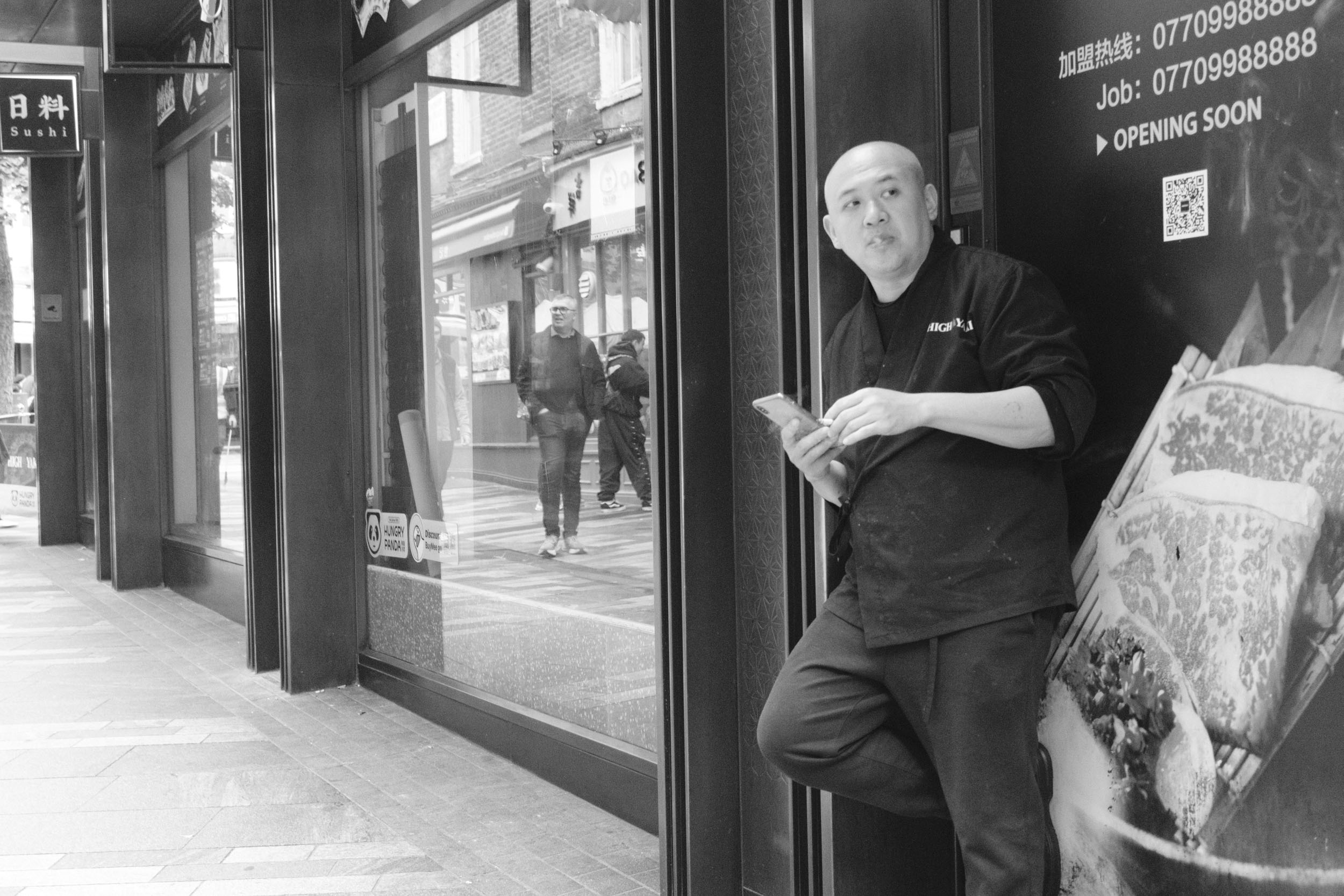
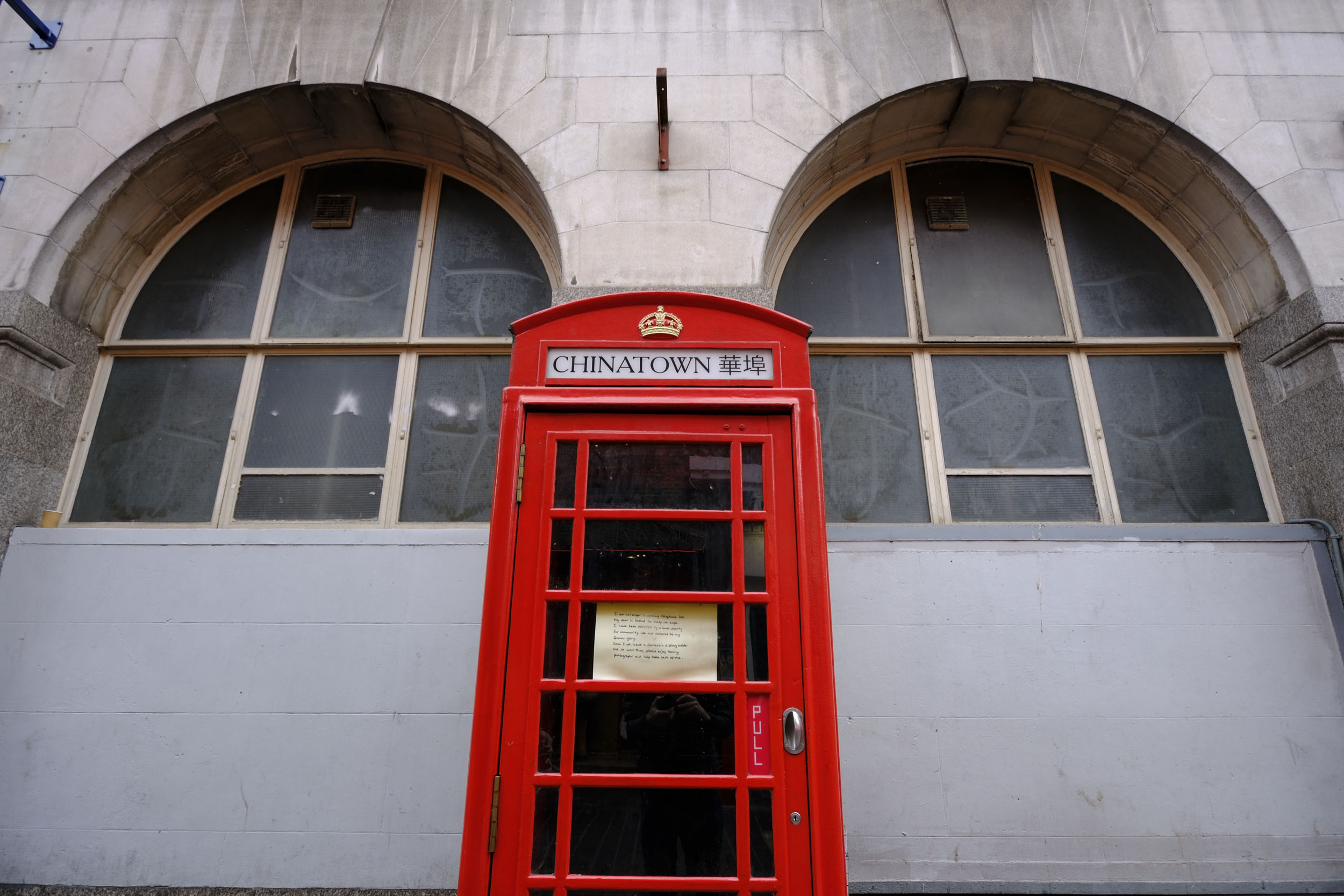
Having Fujifilm’s film simulations at your fingertips is handy and furthermore includes customizable film recipes, even if that makes shooting-mode changes much more of a hassle. I've shot using various profiles in the galleries above and below, including Velvia (vivid), Reala Ace, Acros (monochrome) and others.
An area where the camera really excels is in its auto white balance system, which is superbly accurate. Combined with Fuji’s renowned color science, the X-T30 III is able to render beautifully naturalistic tones. This was one of my favorite aspects of the original X-T30 (also reviewed in Rome, coincidentally) and revisiting the same locations, I was happy to see the trend had been maintained in its younger sibling.
Video quality is excellent, too – 6.2K video and 4:2:2 10-bit color depth is excellent at this price point, even if in-body image stabilization is missing. The footage looks great straight out of camera, ready to share on socials. It’s a shame the LCD doesn't flip or rotate through 180 degrees, as overall the X-T30 III would make an ideal vlogging camera, but it’s still versatile enough for casual videography or B-roll capture.


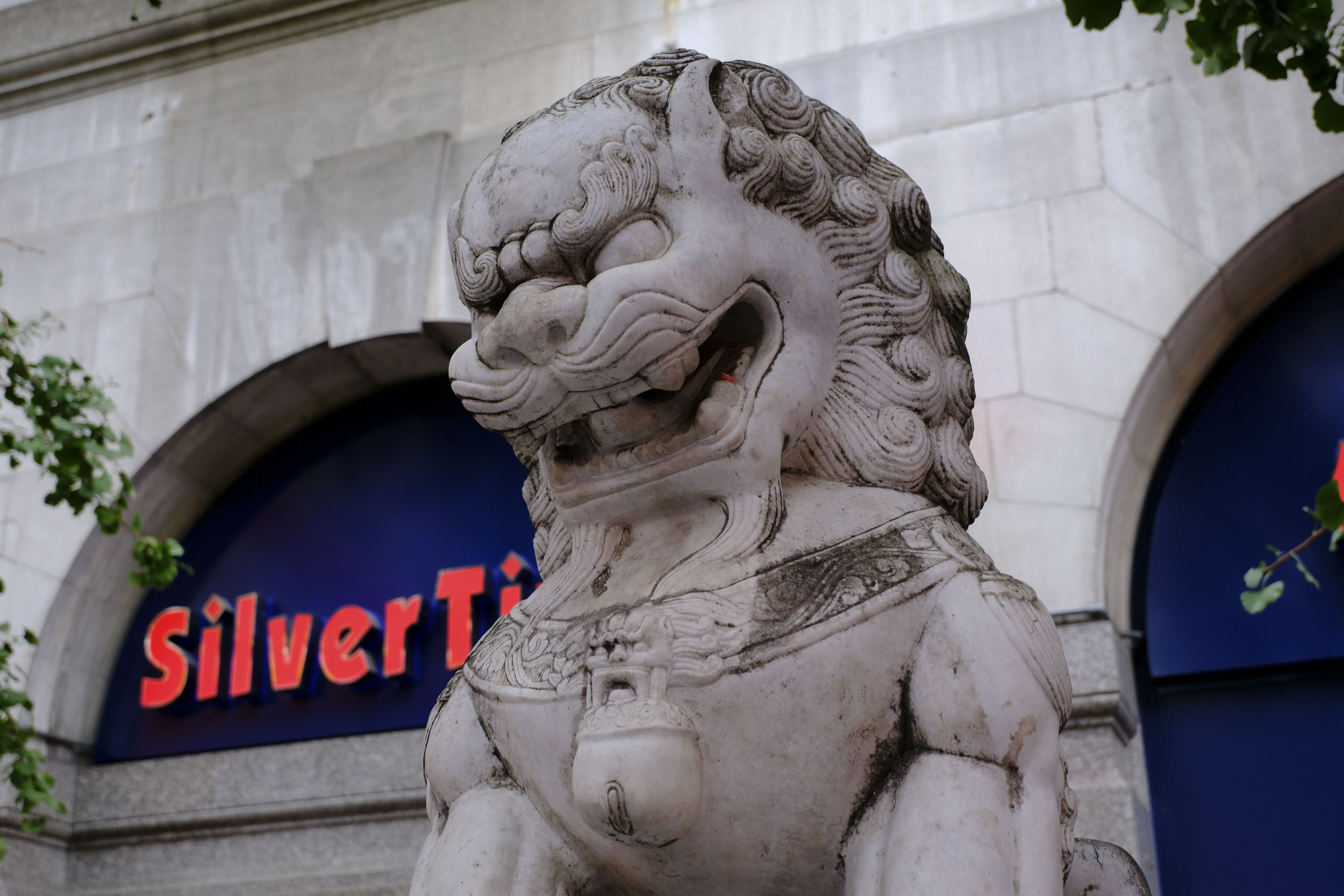
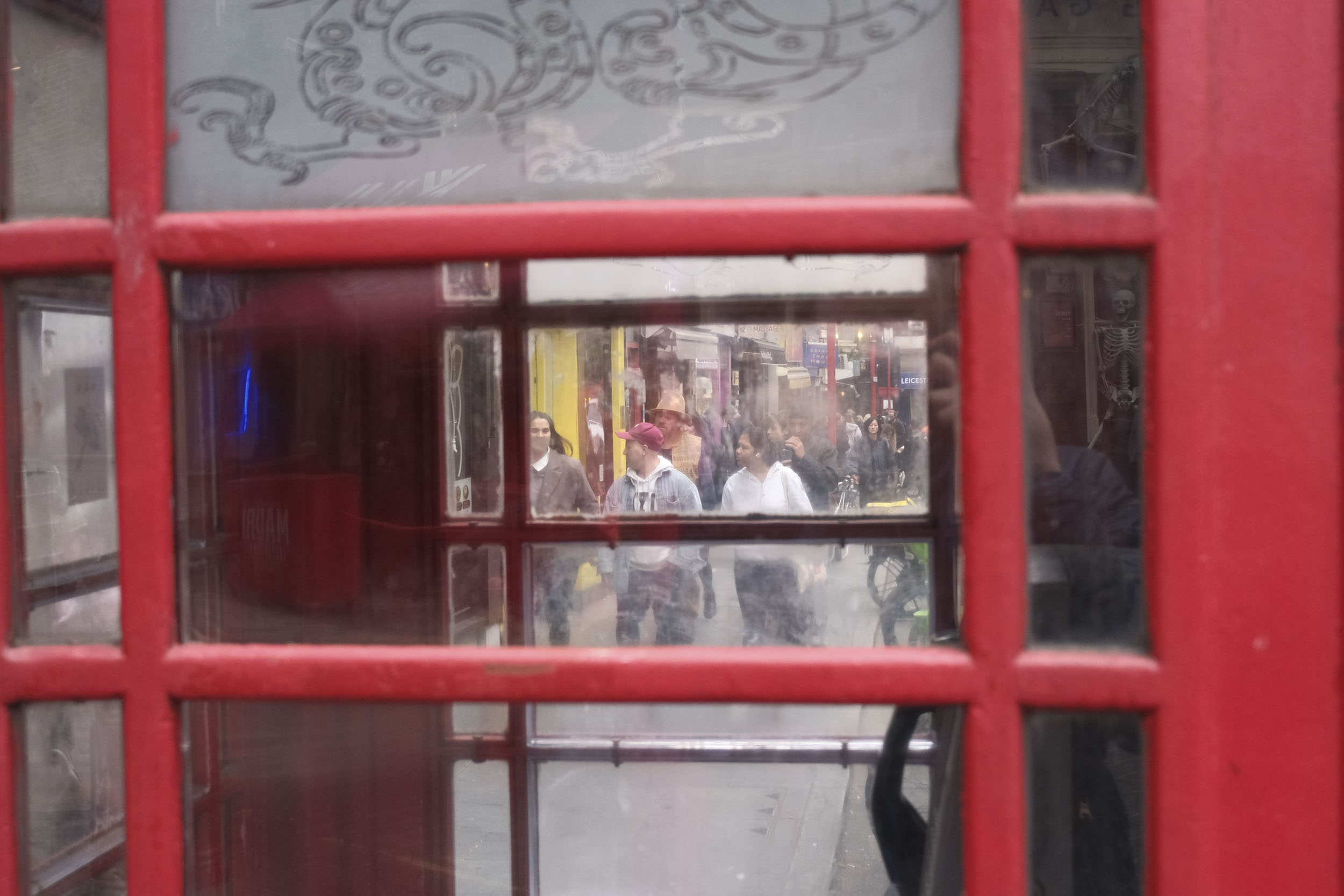

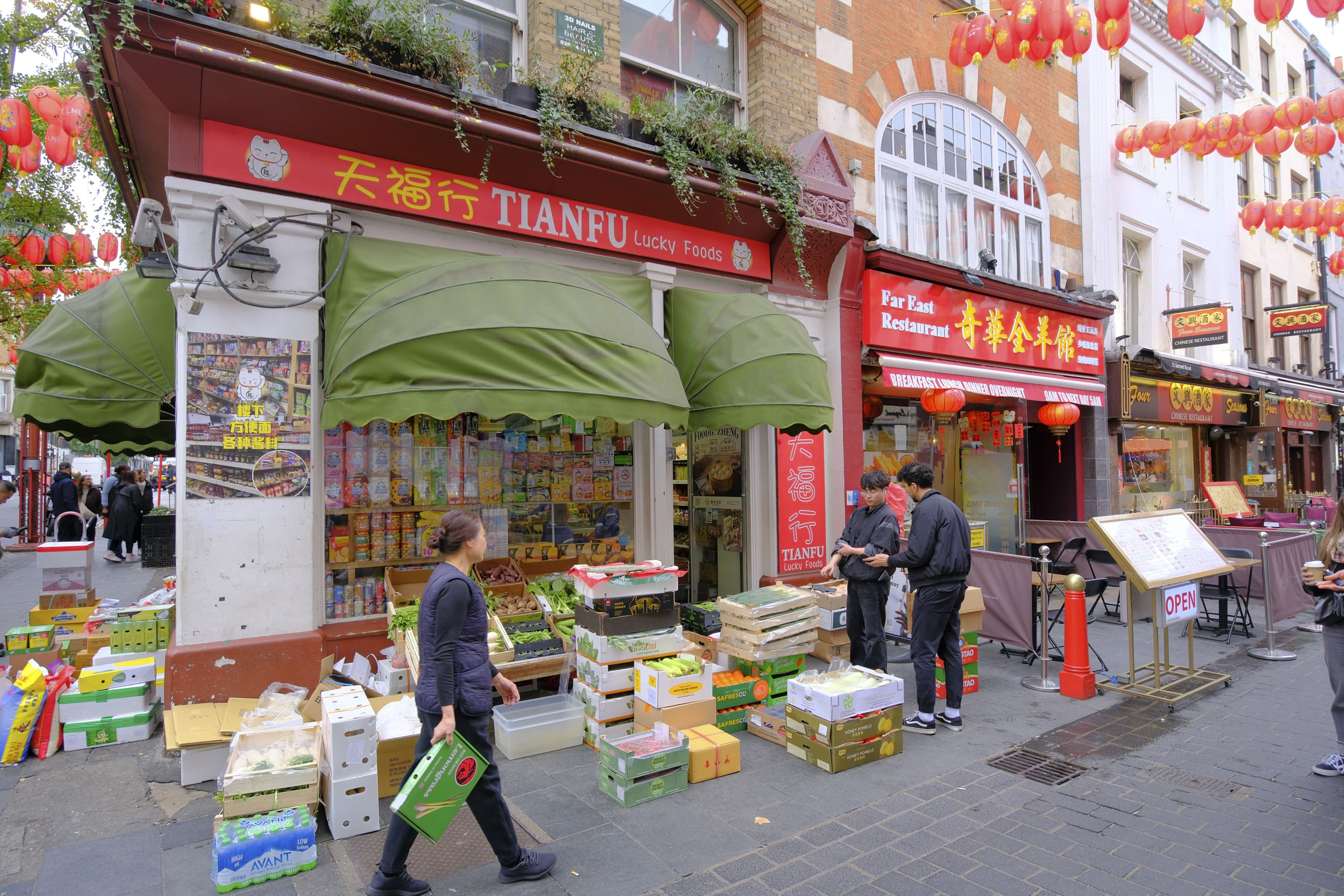
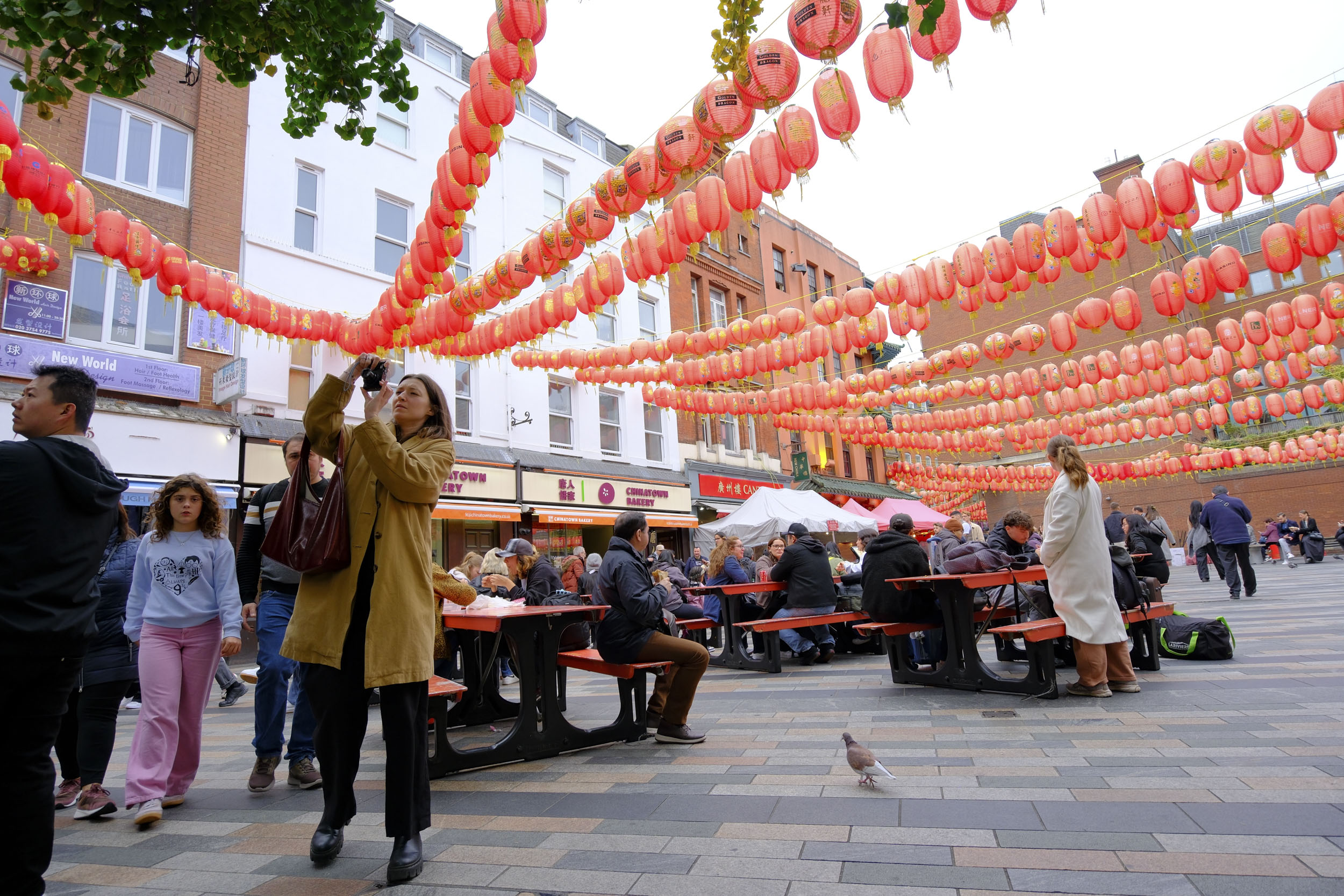
I was especially keen to examine the performance of the new 13-33mm lens. This detail matters because most people will buy the camera with the new kit lens, which will spend most of the time on the camera.
As far as kit lenses go, it’s not bad at all and is capable of resolving a reasonable amount of overall detail. Impressively, sharpness is quite consistent across the frame, right out to the edges, even at 13mm. I’ll admit that I wasn’t expecting this and goes to show how far kit optics have come over the past couple of decades. This one is clearly designed to match the quality of the 26MP sensor, which it does admirably.
Don’t expect prime-level quality, but contrast and resolution are good enough for most shooting circumstances.
Fujifilm X-T30 III: testing scorecard
|
Attributes |
Notes |
Rating |
|---|---|---|
|
Price |
The cost is accessible to enthusiasts but you can find more spec for your money elsewhere |
4/5 |
|
Design |
Classically Fujifilm, the retro layout is a joy to use, although the build quality is quite plasticky for the price |
4/5 |
|
Performance |
The lack of IBIS is a problem, but autofocus and speed are up there with the best in class |
4.5/5 |
|
Image and video quality |
The X-T30 III is capable of outstanding images in good light, although it lags behind the competition at higher sensitivities |
4/5 |
Should I buy the Fujifilm X-T30 III?
Buy it if...
You want a super-portable retro camera
Only the X100VI is smaller in the Fujifilm family, but the X-T30 III provides access to the full range of XF interchangeable lenses. The body is almost small enough to fit into a jacket pocket, but expands any existing X-Series ecosystem.
You need speed over absolute image quality
The X-T30 III is a rapid-shooting performer that is also quick to start up. Meanwhile, its fast AF system makes it ideal for street photography and as a backup for wildlife and sports.
You're looking for your first X-Series camera
The X-T30 III is a perfect introduction to the Fujifilm system. It's uncomplicated (mode selection quirks notwithstanding) and the 13-33mm kit lens will cover most of your bases.
Don't buy it if...
You already own the X-T30 II
....or even the original X-T30, perhaps. There isn't really enough of an upgrade here to justify replacing your existing camera. You'd be better off investing in a higher-end model like the X-T5 if you want more features.
You own many heavyweight lenses
While the camera still works well alongside heavier standard primes, telephoto lenses like the XF50-140mm f/2.8 R LM OIS WR or XF 100-400mm f/4.5-5.6 R LM OIS WR will feel greatly unbalanced when mounted to the X-T30 III.
You need to print large format
The 26MP sensor is a little conservative by 2026 standards, and you can find much higher-res cameras for similar money. Equally, while 4K video is available, cameras like the X-H line and single-digit X-T families offer superior quality footage, for larger displays.
Fujifilm X-T30 III: also consider
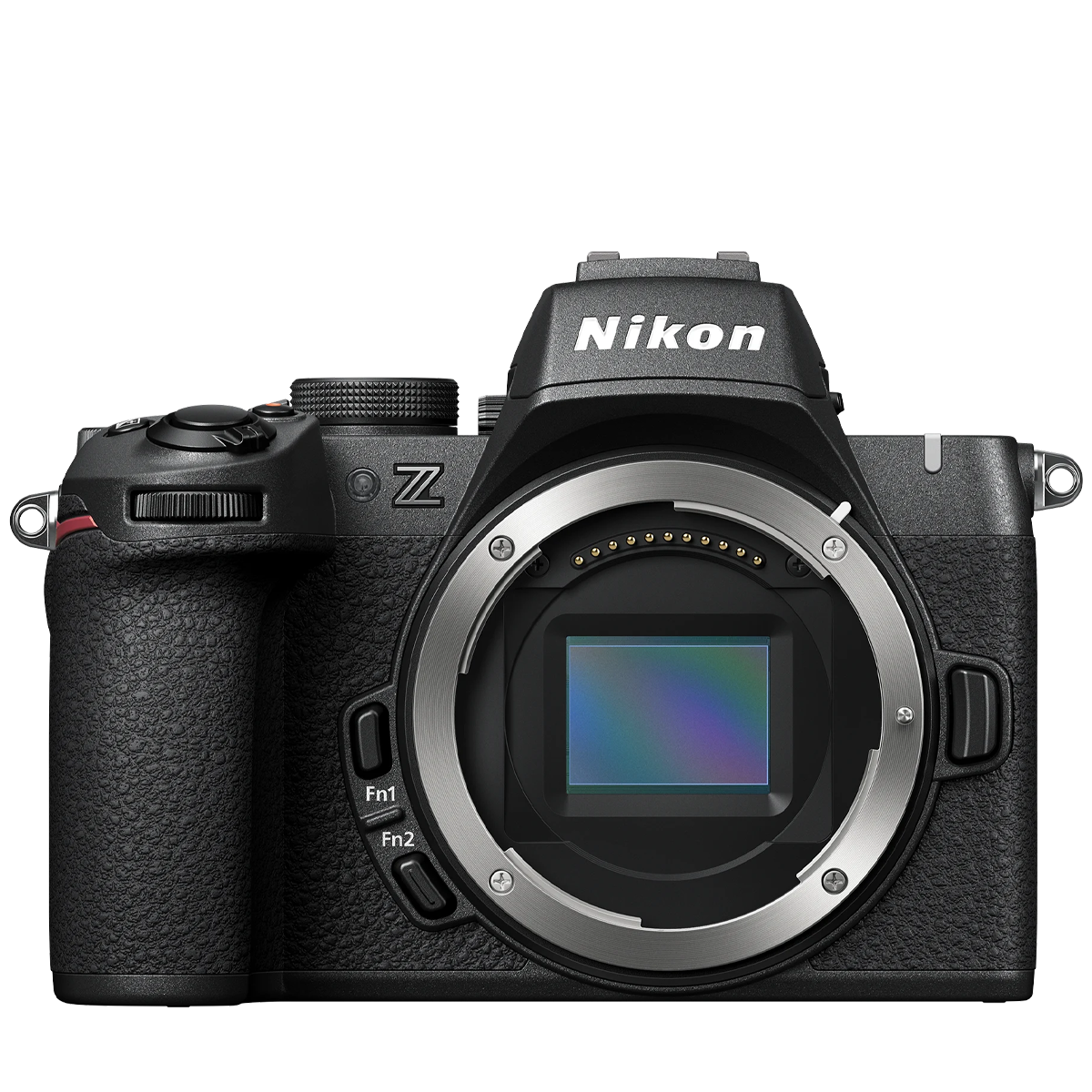
Nikon Z50 II
Available for exactly the same price as the X-T30 III, the Z50 II is a versatile mirrorless camera with Nikon's latest Expeed 7 processor for flagship performance, superb subject-recognition autofocus, and improved video features. Its excellent ergonomics and vari-angle touchscreen make it an easy camera to travel and shoot with, while color profiles can be uploaded from Nikon's app, much like Fujifilm film recipes. With lower-resolution 20.9MP stills and 4K video, the Z50 II can't quite match the X-T30 III for detail.
See my Nikon Z50 II reviewView Deal
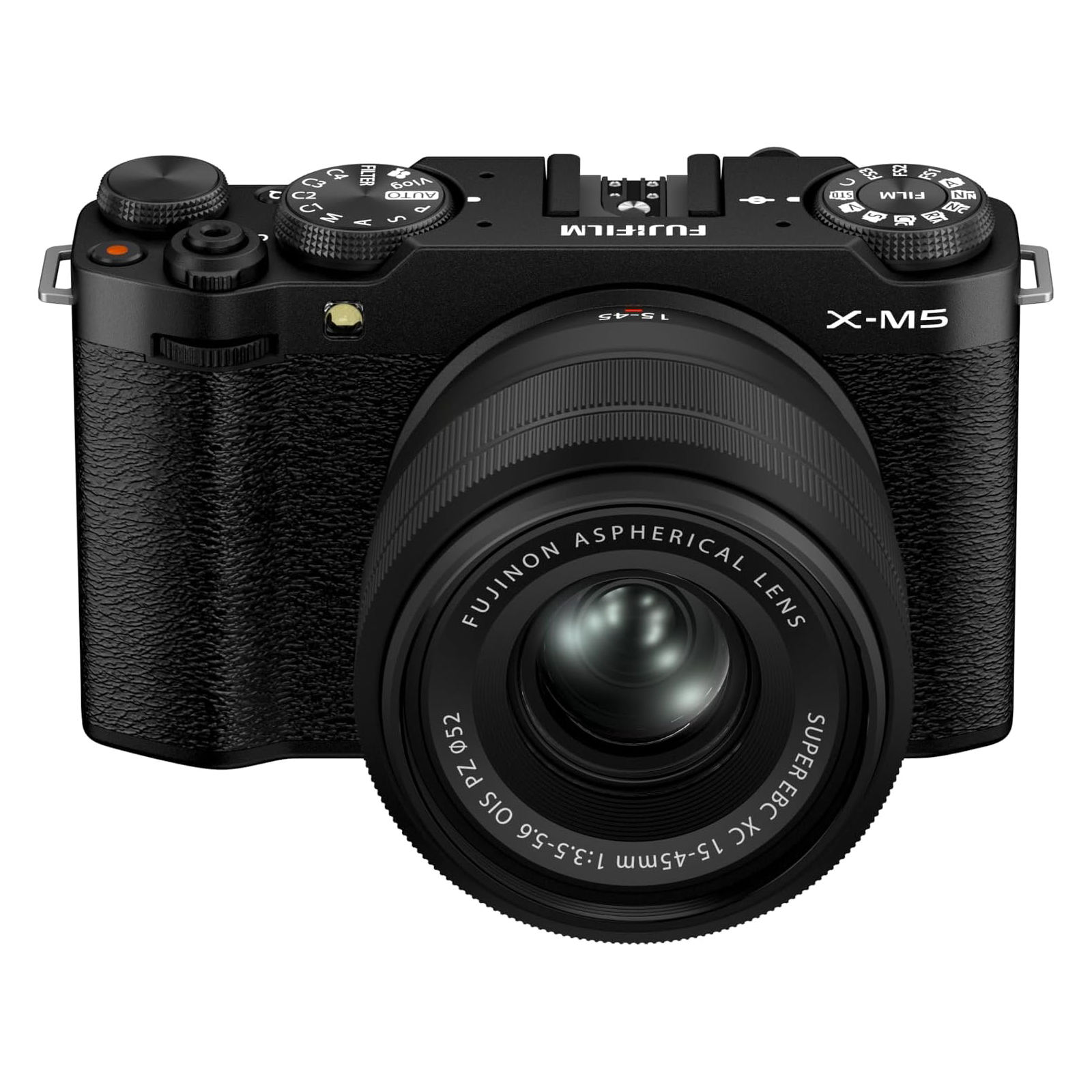
Fujifilm X-M5
Smaller, lighter and cheaper, the X-M5 features the same sensor and processor as the X-T30 III – which likewise means 26MP stills, 6.2K video, 9:16 short movies and film simulations. The major difference is that the X-M5 lacks a viewfinder and has a vari-angle screen, making it the better pick for video.
See our Fujifilm X-M5 reviewView Deal
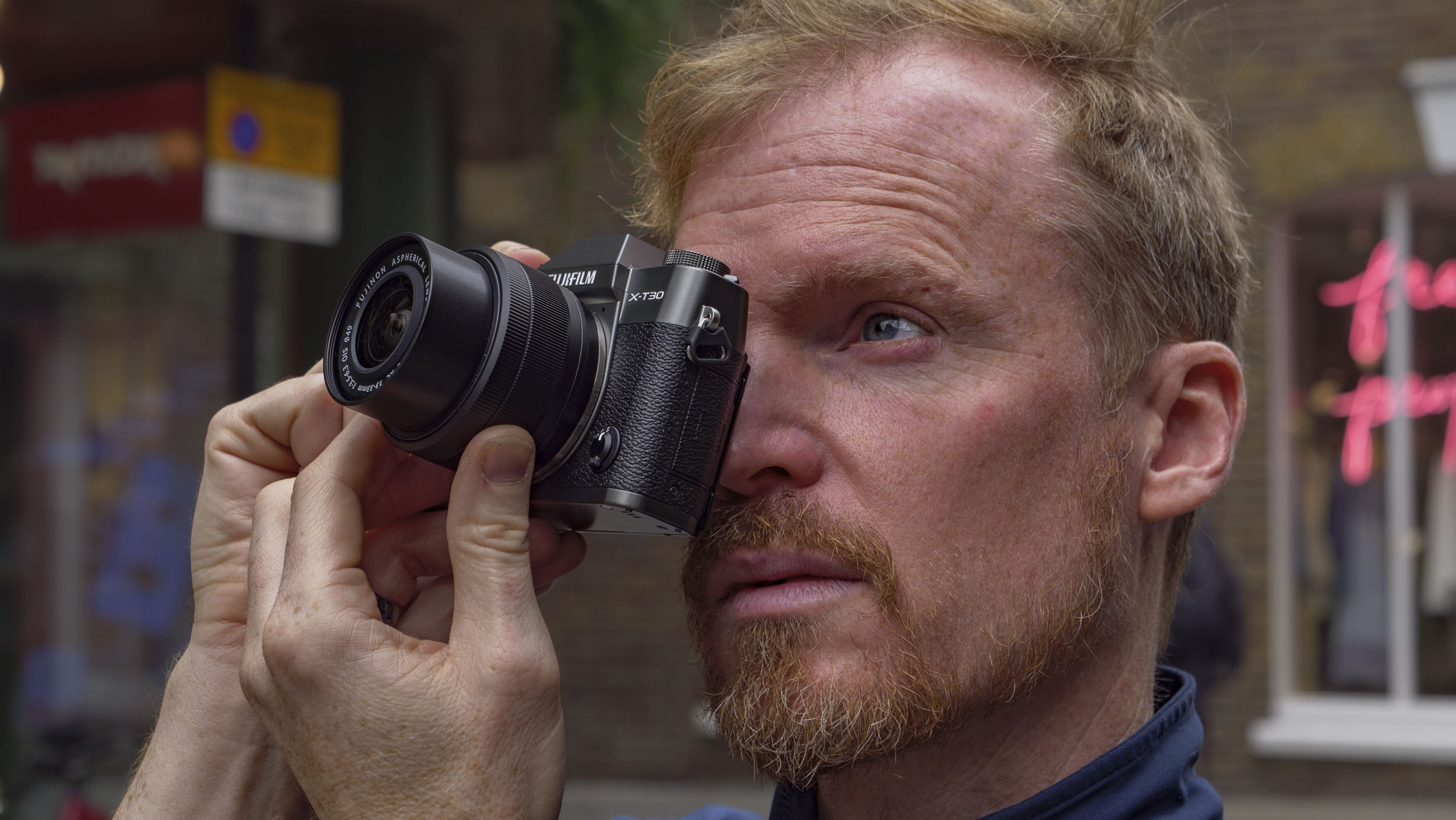
How I tested the Fujifilm X-T30 III
- I spent time in both London and Rome, testing the camera in a range of lighting conditions
- I used the camera for several days, shooting multiple subjects from street photography to interiors and cityscapes
- I paired the camera with both the 13-33mm kit lens and a professional 56mm prime lens
I took the X-T30 III with me on a multi-day trip to Italy, where I knew I’d be shooting a range of subjects across a spectrum of challenging lighting conditions, inside and out. I made a point of shooting the camera as it would normally be used in practise, but also performed a standard regimen of technical tests.
To assess noise performance, I mounted the camera on a stable support, set Av mode (when I figured out how) and then shot a frame at each ISO setting, from the lowest to the highest. I also kept the camera in automatic white balance mode for the duration of the shoot, but also shot reference images with a custom WB or another preset where I felt it appropriate, so I could compare the camera's color decisions to my own preferences.
I took an X-H2S body along for the ride too, which made a good control camera for quality reference.
I used both the viewfinder and main LCD for composition throughout, and worked with the camera in both auto and manual focus modes at various points. Due to the nature of many of the locations in which I was shooting, I didn’t have much opportunity to thoroughly use the built-in flash – flash photography wasn’t permitted in most of the interior spots.
I used the 13-33mm kit lens extensively, but also switched to the XF56mm F1.2 R WR to see how much the cheaper optic may be limiting the maximum possible performance from the sensor and processor. All images were shot in RAW format and converted in the latest version of Adobe Lightroom, where no noise reduction or sharpening has been applied to the sample shots seen here.
- First reviewed: October 2025
- Read more about how we test


Comments
Post a Comment