A Peloton without the price tag? I've completed dozens of rides on the Zwift Ride & Wahoo KICKR CORE indoor bike combo, and it's great
Zwift Ride with KICKR CORE: One minute review
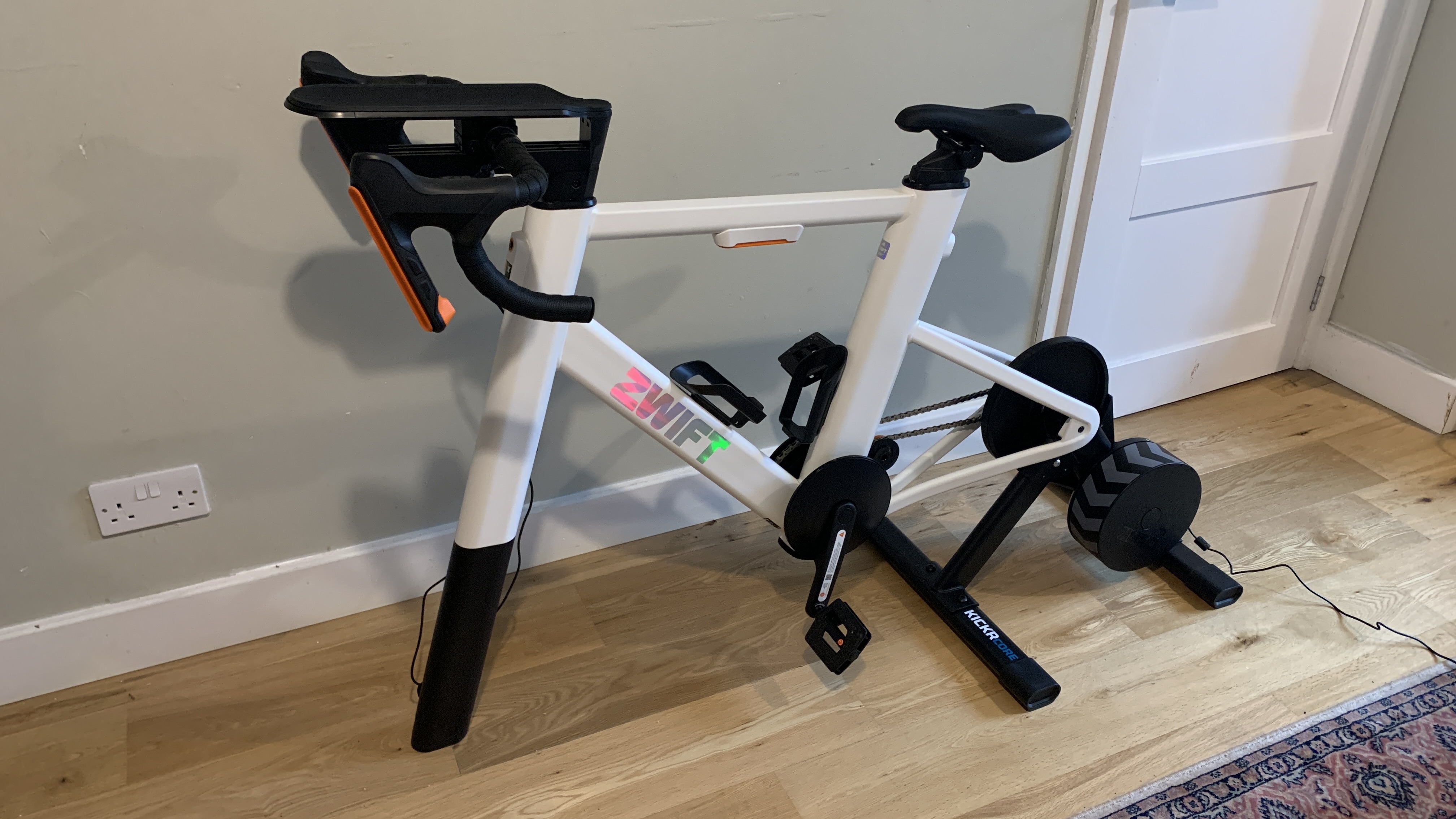
The Zwift Ride with KICKR CORE is a complete cycling setup comprising a Zwift Ride smart frame and a Wahoo KICKR CORE trainer. The combined unit is an easy-to-set-up solution for indoor training that doesn't require mounting a traditional outdoor bike. It's a single tine at the front instead of a bike's usual fork and a rear wheel, designed to lock straight into the KICKR turbo trainer. Assembly is as simple as opening a few boxes, securing a few bolts in place, finding a place to locate it, and you're away.
Offering integrated handlebar controllers, a console-like gaming experience, and a system that is compact and quiet, the Zwift ride is a great piece of kit, especially given the price. As for build quality, the chassis is made of heavy-duty powder-coated steel, which is solid and dependable, albeit a little utilitarian.
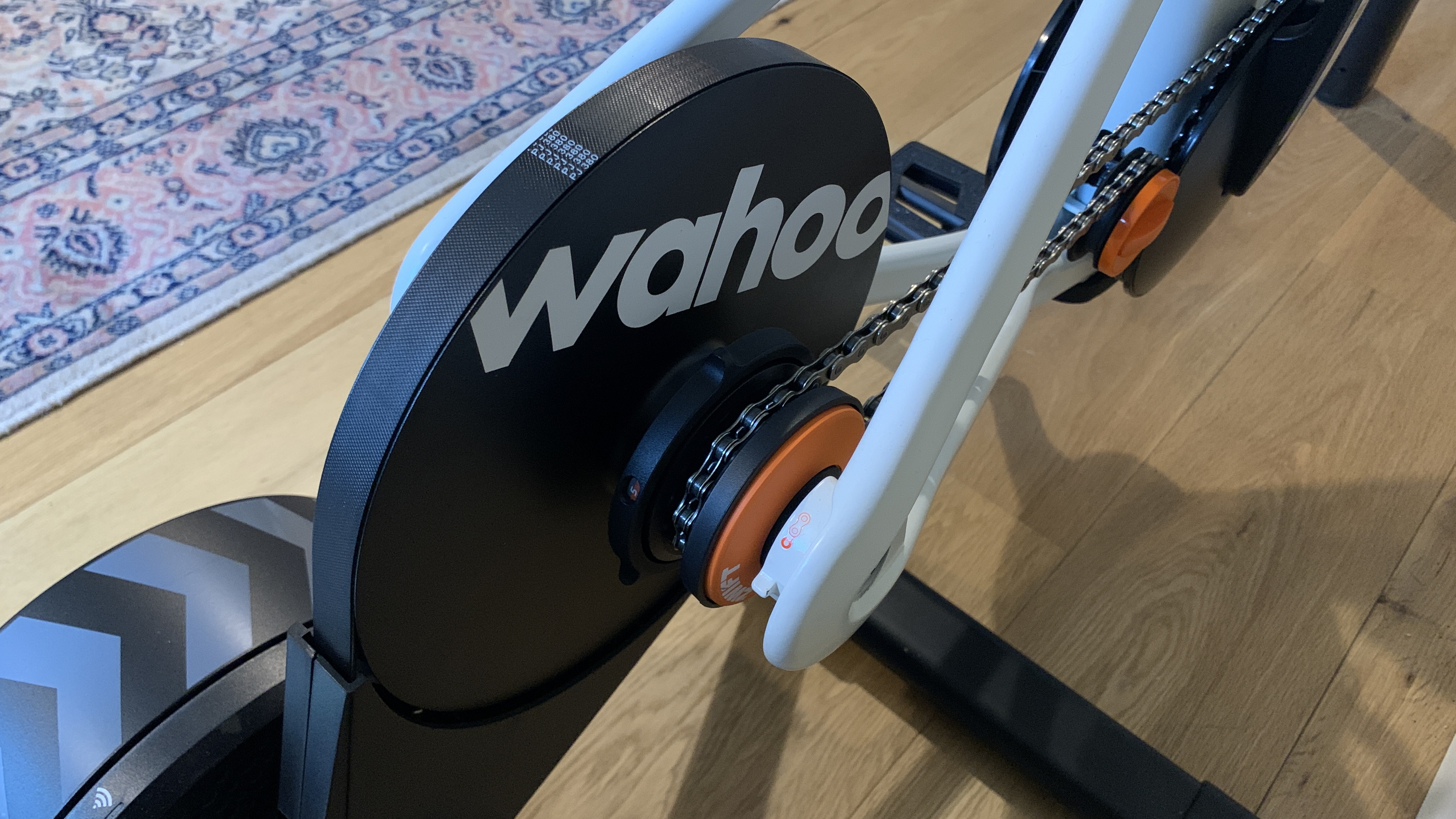
What sets the KICKR CORE apart from much of the competition is the single-sprocket Zwift Cog that enables virtual shifting. Instead of physically moving a chain across gears, the trainer uses a sophisticated algorithm to deliver resistance via the built-in electromagnetic system. This is capable of simulating the feel of 24 distinct gears and is a big win for users wanting a maintenance-free experience.
Versatility is a standout feature of the Zwift setup, as the frame is engineered to fit riders ranging from 5 ft to 6 ft 6 in with just a single tool. This makes it a perfect indoor bike for sharing between family members, something that I’ve enjoyed these past few weeks.
My first Zwift Ride experience has been a very positive one, and I’ve loved how easy it has been to use. Its design is solid but lacking finesse, its feature set is reasonable but nothing flashy, and its performance is fantastic for the price, compared to ultra-premium rivals like Peloton.
Zwift Ride with KICKR CORE: Specifications
|
Component |
Zwift Ride and KICKR CORE |
|
Price |
$1,299.99 USD / £1,099 UK |
|
Dimensions |
135.89 x 58.42 cm / 53.5 x 23 in |
|
Weight |
35 kg / 78 lbs |
|
Saddle Height Min-Max |
59.9–86.5 cm / 23.58–34.06 in |
|
Rider Fit Range |
152.4–198.12 cm / 5 ft – 6 ft 6 in |
Zwift Ride and KICKR CORE: Price and availability
- $1,299.99 USD / £1,099 GBP / $2,299.95 AUD
- A mid-range product with excellent build quality
- Cheaper than high-end alternatives
The Zwift Ride with KICKR CORE 2 bundle is one of the best-value smart bikes on the market. The bundle package is typically priced at $1,299 USD / £1,099 GBP / $2,299.95 AUD, although it's often found on sale for around $999 / £899 (rarely discounted in Australia) during seasonal events. It's not cheap, but it's in the bracket of affordable for anyone wanting to take their indoor cycling seriously.
The product bridges the huge gap between a budget wheel-on trainer and premium dedicated smart bikes like the Tacx NEO Bike Plus. As a result, Zwift is looking to tap into that mid-range market with a semi-affordable trainer that's always ready to go.
Value score 4.5/5
Zwift Ride and KICKR CORE: Design
- Utilitarian design with solid materials
- Adjustable seatpost and handlebars
- Silent flywheel for a great user experience
The bundle consists of two elements: the Zwift Ride smart frame and the Wahoo KICKR CORE 2 with Zwift Cog. I appreciate that's quite the mouthful, and it could be confusing, but in essence, the Zwift Ride is the frame, while the KICKR CORE is the resistance trainer. Let's take a look at each in turn.
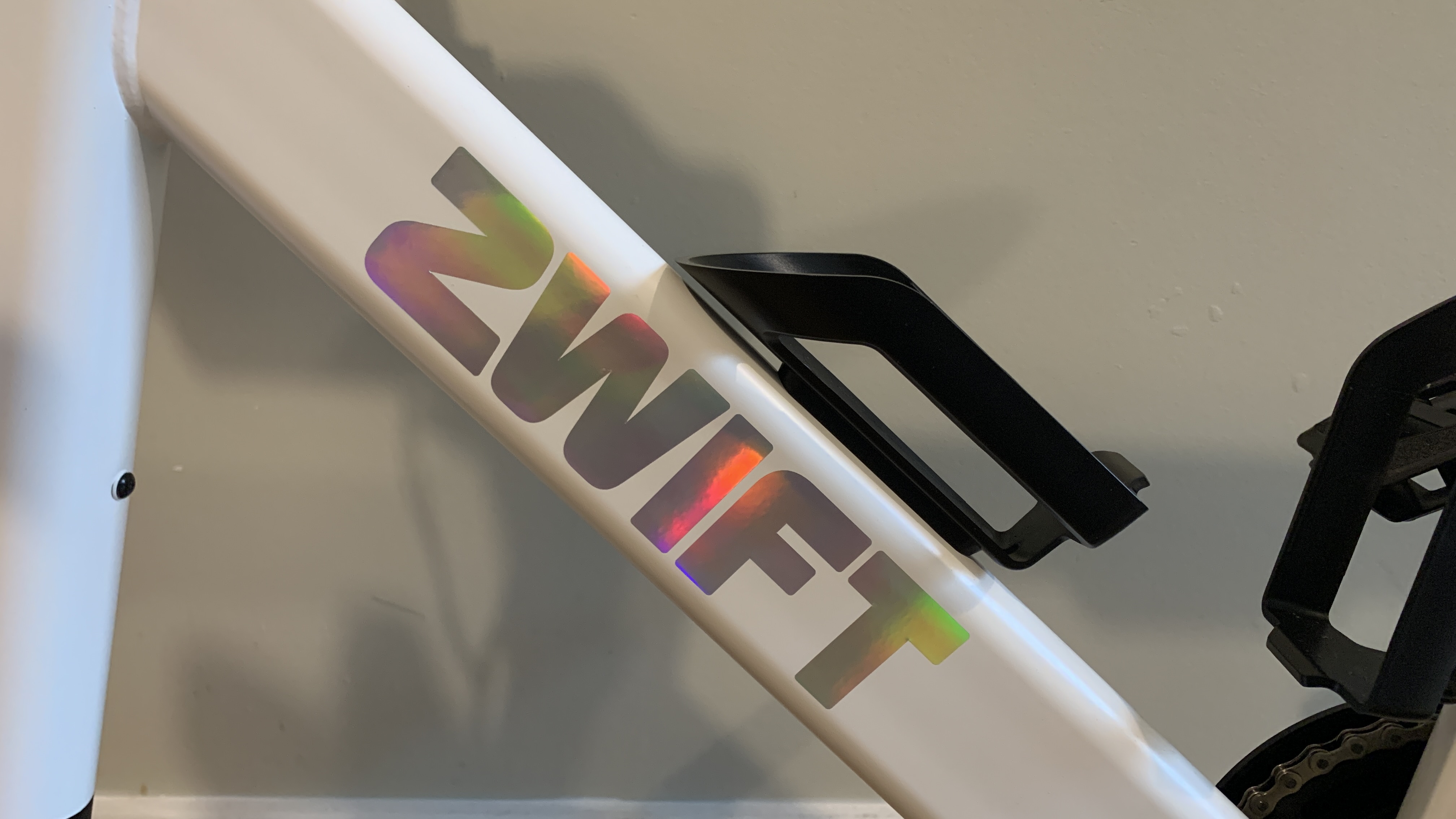
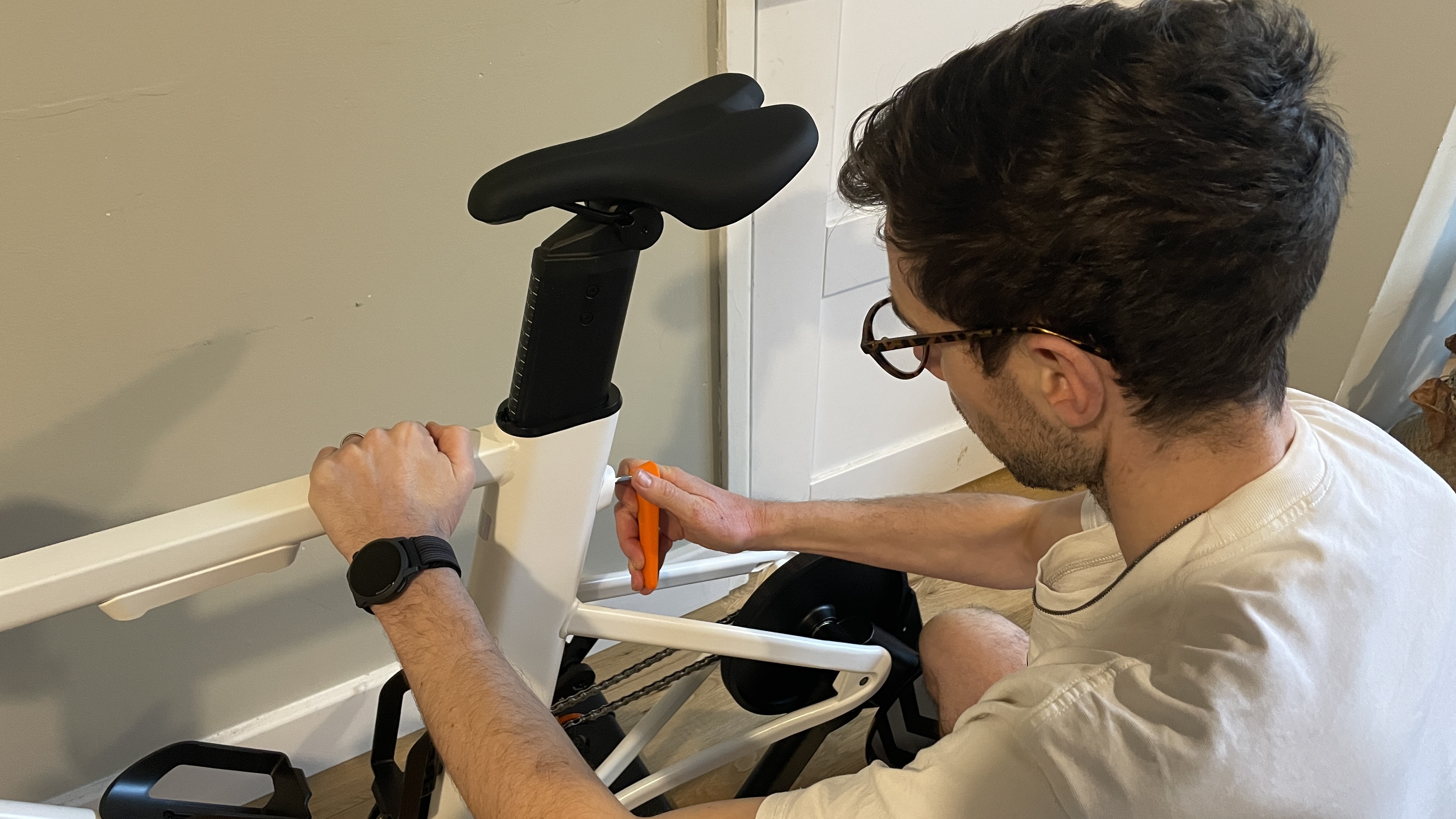
The Zwift Ride is the physical bike structure that you sit on. It stays in one location and is optionally attached to the trainer. The main chassis is constructed from heavy-duty powder-coated steel, which guarantees durability and longevity, but one of the best details of the bike's design is in its adjustability. With the ability to adjust the seatpost and handlebar system using a "sizing-by-letter" system, quick changes can be made and multiple riders accommodated.
At the front is a unique single-leg design with a wide rubber-padded base. Don't be fooled, though. It might look deceptively slim, but in reality, it provides a solid base to prevent rocking during sprints. The aluminum drop handlebars house built-in Bluetooth buttons for virtual shifting, steering, and navigating Zwift menus. Finally, central to the handlebars is a phone tray with a silicone mat and an optional tablet holder. These are essential for engagement with the Zwift app while riding.
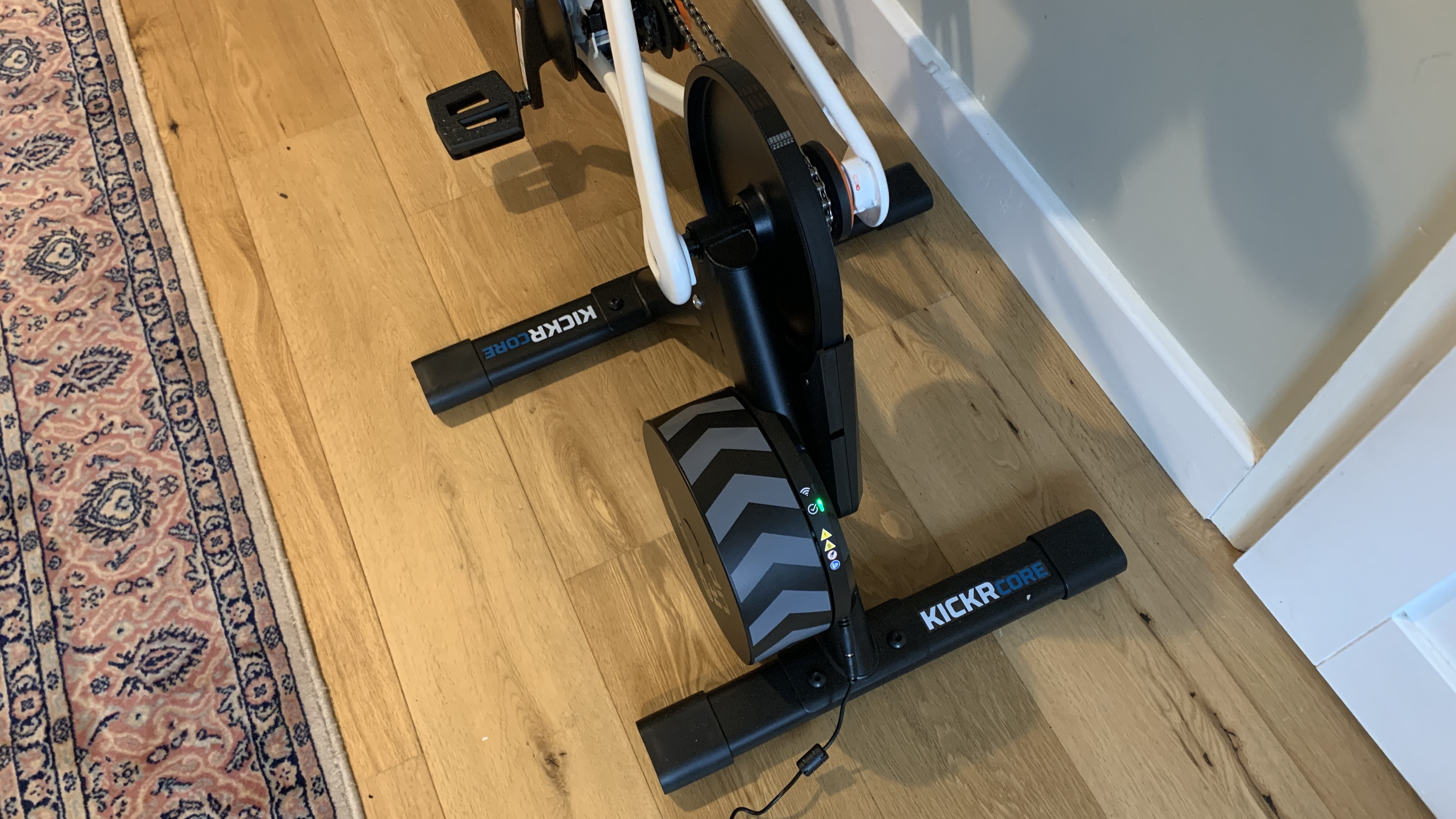
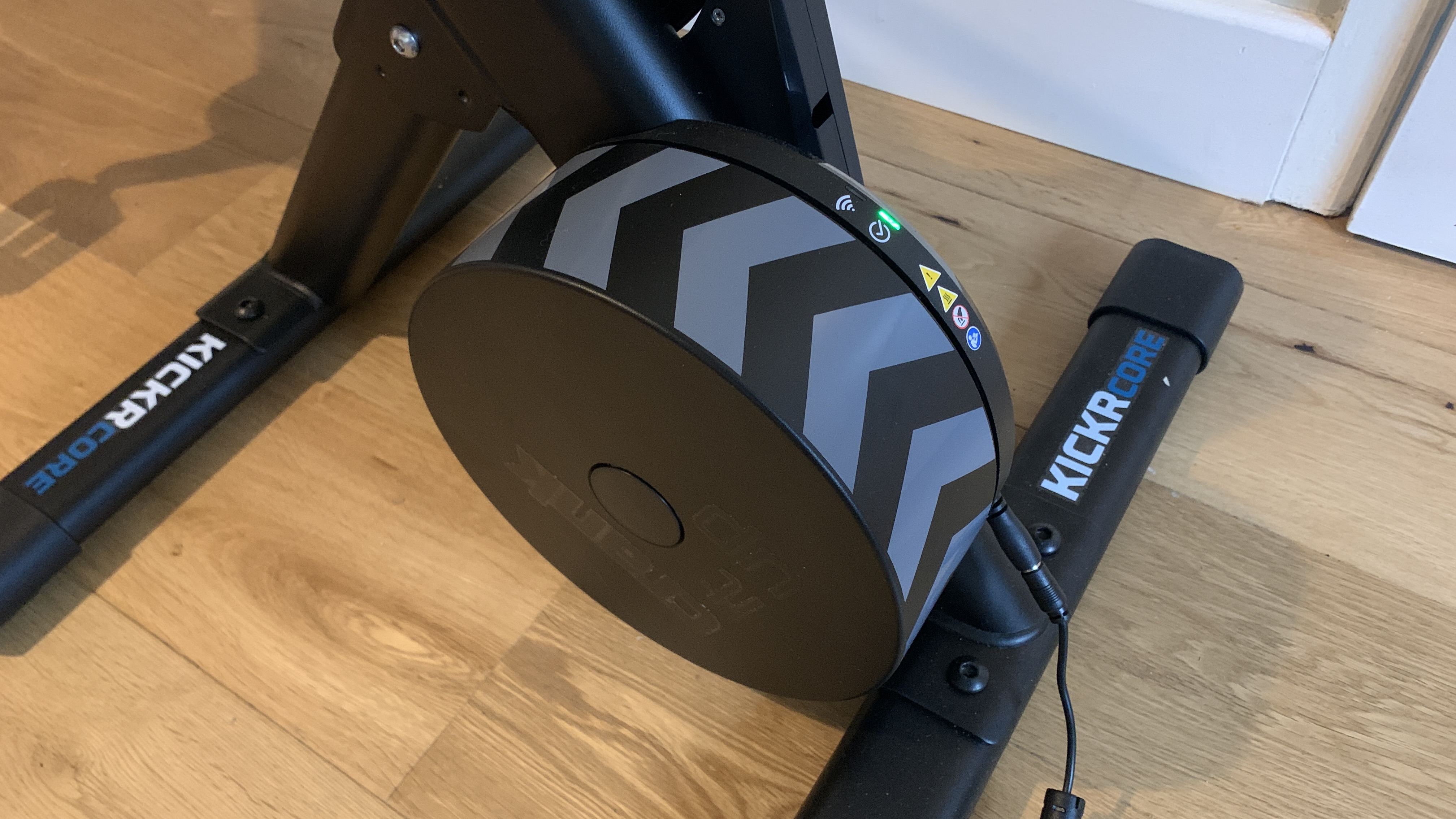
The Wahoo KICKR CORE trainer, on the other hand, is the engine that provides the resistance and communicates with the Zwift app. Sitting at the back of the frame, the unit contains a direct-drive unit containing a 5.4 kg (12 lb) electromagnetic flywheel and a single-sprocket cog that allows the bike to work without mechanical shifting. The whole setup is incredibly silent and removes the need for mechanically complex derailleurs. The Core is also sold separately in case you want to connect an actual bike.
All in, it took around an hour to put it together with every part working seamlessly out of the box. The design is notably utilitarian compared to aluminum or carbon-composite alternatives, and the lack of tilting mechanisms to simulate further climbing is a reminder of its price point.
When both the frame and trainer are combined, the total weight is about 35 kg (78 lbs). While this weight makes it cumbersome to move, it does help keep the unit "planted", which is an essential quality during high-intensity rides.
Design Score: 4/5
Zwift Ride and KICKR CORE: Features
- Console-like gaming experience
- Fast and quiet virtual shifting
- Automatic spindown calibration
From a features point of view, the Zwift is designed with simplicity in mind. This begins with the handlebar integration that serves up a console-like experience where you can control the Zwift interface without having to reach for a keyboard, mouse, or phone. This includes menu navigation and selecting routes as well as in-game actions such as deploying power-ups and moving your avatar to find a draft.
Rather than a physical derailleur, the Zwift hardware uses software-based virtual shifting that is faster and quieter than a mechanical drivetrain. The virtual nature of it makes it possible to choose between Shimano or SRAM logic, or even a sequential 24-gear progression. It also allows for shifting gears when you're not pedaling, which, although not realistic, is ideal if you happen to find yourself stationary while in the middle of a steep climb.
One of the most user-friendly technical features is the automatic spindown calibration, which measures the internal drag of the device so that the power numbers you see in Zwift are accurate and not skewed by things like belt tension or room temperature.
Unlike older trainers that required a manual spindown test every few weeks to ensure power accuracy, the KICKR CORE calibrates itself automatically while you coast. In line with Zwift's focus on convenience, firmware updates happen automatically over WiFi, so the trainer is always up to date.
Features Score: 4/5
Zwift Ride and KICKR CORE: Performance
- Smooth, quiet, and dependable
- Accessible and easy-to-use controls
- Lacking high-end features such as frame tilting
After moving successfully through the incredibly straightforward process of building the bike, I was ready to jump on. It was actually my son who jumped on first, but as he had helped me build the thing, I thought it only fair to let him have a ride. He and I were impressed by how smoothly the unit operates with a super-quiet flywheel and drivetrain. This performance continued throughout my subsequent rides with no deviation in quality.
At the heart of the KICKR CORE is the Zwift Cog with virtual shifting. This again performs excellently with almost instant gear shifts, and there's no crunch or lag often felt on bikes when shifting under heavy load on a climb. This software-led approach means you can focus on your ride without concern that you’re going to bend the derailleur.
The gear shifting can be easily customized to mimic different gear ratios. I cycled through the sequential, SRAM, and Shimano options and tested each one to make sure they accurately performed to their advertised capabilities. The sequential option is pretty straightforward with a simple shifting through gears one at a time. The other two are a little more complex, but Zwift's ability to replicate their feel is expertly implemented.
The physical ride is only half the story, though. The Zwift app is as integral a part of the overall riding experience as the physical build. This app is operated through the handlebar controls, which enable users to move through menus and engage fully with the virtual riding experience. As with any new device, the Zwift’s button placement and associated actions took a little getting used to, but it wasn’t long before it became second nature.
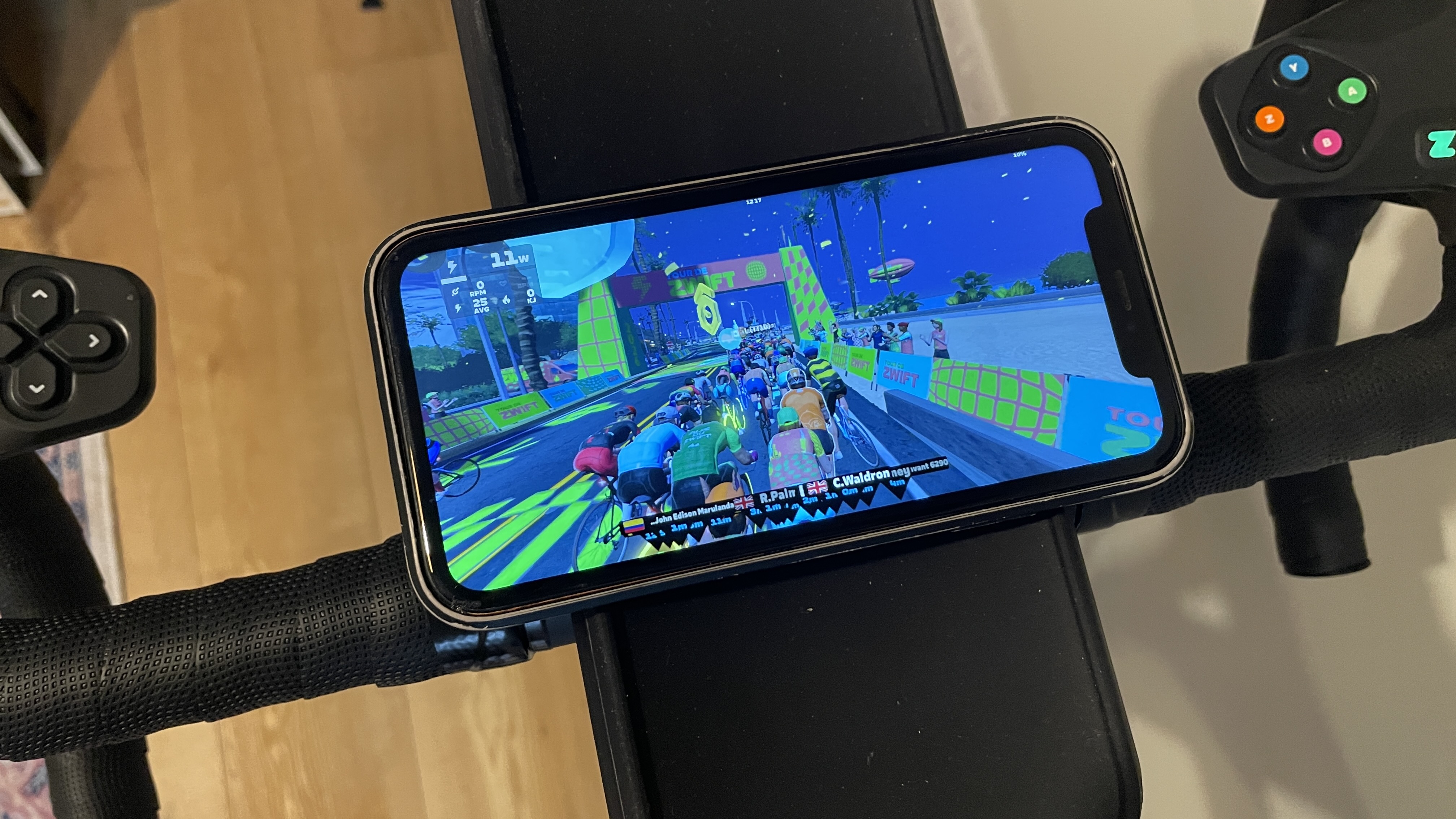
My overall experience of the app was a little less positive, unfortunately. I loaded it onto my phone and was immediately forced to view it in landscape mode. This wasn’t too much of a problem until I realised that the mounting pad at the front of the bike is portrait only. My phone was therefore balanced a little precariously to account for that. Making use of the dedicated holder with a tablet would overcome this, but not everyone has access to these.
I also found that the app drained my phone’s battery to a degree that I wouldn’t have expected. Maybe it’s a result of the 3D graphics or the expectation that you keep your device permanently plugged in. Either way, I think Zwift could make significant improvements to the app to enhance the overall user experience.
Performance score: 4/5
Zwift Ride and KICKR CORE: Scorecard
|
Category |
Comment |
Score |
|
Value |
A mid-range smart bike that delivers great performance at a semi-affordable price. |
4.5/5 |
|
Design |
A utilitarian bike that lacks the finesse of higher-end alternatives. |
4/5 |
|
Features |
A limited set of features, but what it does have is well implemented. |
4/5 |
|
Performance |
A smooth riding experience that lacks a number of high-end features. The app is also a little buggy at times. |
4/5 |
Zwift Ride and KICKR CORE: Should I buy?
Buy it if...
You want a clean, well-built indoor exercise bike
The Zwift Ride with KICKR CORE is a grease-free, always-ready setup for cycling enthusiasts.
You need a solution that works with multiple users
Thanks for a sizing-by-letter system and single-tool adjustment; it's incredibly easy to swap for different heights.
Don't buy it if...
You don't want to be locked into Zwift
Virtual shifting through the Zwift Cog only works within the Zwift app.
You want a highly customizable ride feel
The trainer provides resistance, but nothing about the bike adjusts to mimic the feeling of going up or down a hill.
Also consider
Peloton
An all-in-one fitness solution that gives you the experience of boutique spinning classes without leaving home. If you’re looking for a great way to get into spinning, the Peloton Bike could be it.
Garmin Tacx Neo Bike Plus
An ultra-premium indoor trainer designed for elite cyclists, prioritizing realistic ride simulation including gear shifts and surface textures.
How I tested
I performed a full unboxing and kit construction, enabling me to make informed comments on how users might experience the setup process. I downloaded and utilized the Zwift app, partaking in dozens of rides which made use of the full spectrum of features on the bike. I also asked other members of my family to test it. This enabled me to check the fit across multiple users and take on board other people’s perspectives and experiences.
First reviewed: February 2026


Comments
Post a Comment